
















Cambridge University returns 116 Benin artefacts to Nigeria
In a landmark move for cultural restitution and historical justice, Cambridge University has formally returned 116 Benin artefacts to Nigeria, transferring legal ownership of the objects to the National Commission for Museums and Monuments (NCMM) in a process overseen with the Benin Royal Palace under a management agreement. The development marks one of the most significant gestures in recent years toward rectifying the legacy of colonial-era looting and honouring Nigeria’s cultural heritage.
The artefacts, held in the University’s Museum of Archaeology and Anthropology (MAA) in England, were taken by British forces during the Benin Expedition of 1897, when soldiers invaded Benin City and plundered thousands of royal artworks, sculptures and symbolic objects that once belonged to the historic Kingdom of Benin, now part of modern-day Edo State, Nigeria.
Cambridge’s decision follows a formal claim by the NCMM in January 2022 and subsequent approval by the university’s governing council, supported by authorisation from the UK Charity Commission. The majority of the artefacts will be physically transferred to Nigeria in due course, while a small number will remain on extended loan at the MAA for visibility to students, researchers and visitors,Cambridge University returns 116 Benin artefacts to Nigeria.
A Return Decades in the Making
The Cambridge University returns 116 Benin artefacts to Nigeria initiative is the culmination of years of dialogue between Nigerian cultural authorities, the Benin Royal Court, academics and curators at Cambridge. This development reflects broader, growing momentum in international museums to acknowledge historical injustices and repatriate looted cultural property.
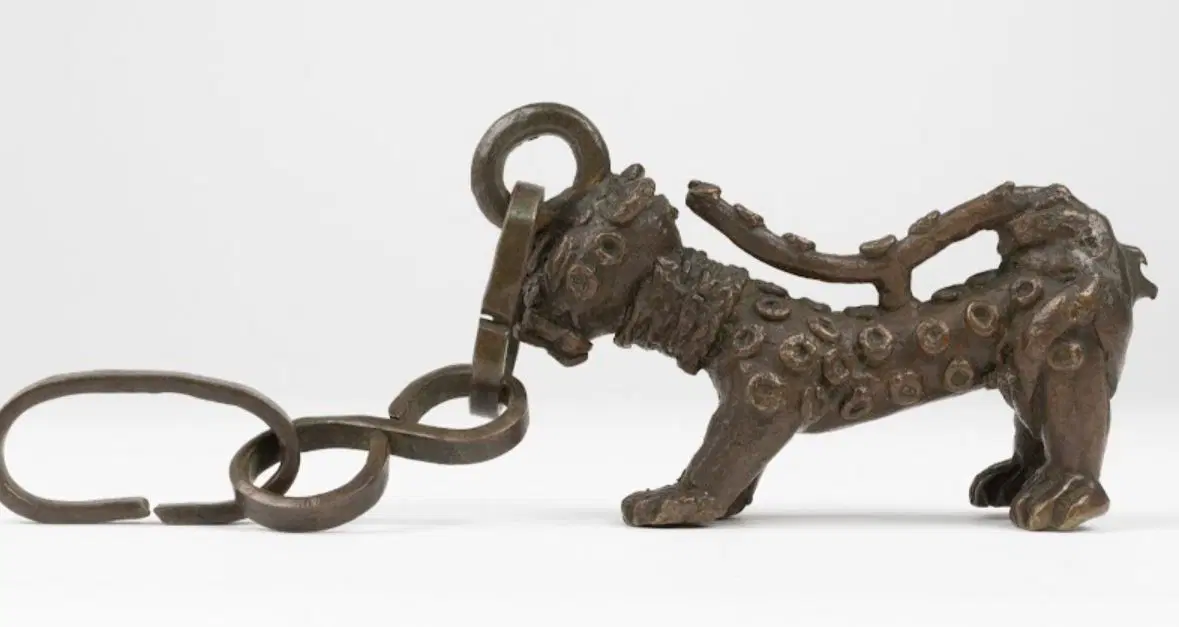
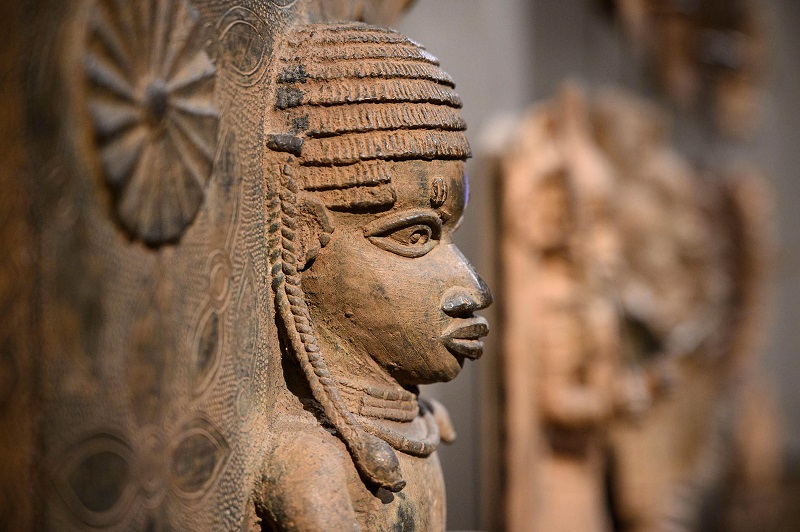
The artefacts are primarily brass sculptures — including plaques, plaques depicting obas and warriors, armlets and decorative pieces — along with some ivory and wood works. These items, collectively part of what are commonly known as the Benin Bronzes, represent artistic mastery and deep cultural heritage that defined the Kingdom of Benin well before colonial era interventions.
For Nigeria, the return of these artefacts is not simply about reclaiming lost objects. It is about restoring a part of the nation’s identity, history and dignity that was fragmented by colonial conquest. Cambridge University’s return of 116 Benin artefacts to Nigeria thus holds profound symbolic and historical importance for communities in Edo State and beyond.
Official Responses and Statements
Reacting to the development, Olugbile Holloway, Director-General of the National Commission for Museums and Monuments, described the decision as a “pivotal point” in cultural restitution and international collaboration. He said the return is a restoration not just of physical artefacts but also of national pride and historical narrative. Holloway expressed hope that this gesture will encourage other institutions, especially in Europe and North America, holding Nigerian cultural items to follow suit.
Cambridge’s Director of the Museum of Archaeology and Anthropology, Professor Nicholas Thomas, said the long-term cooperation with Nigerian scholars, artists and cultural leaders — including visits to Benin City and hosting dialogues over the past decade — played a critical role in shaping the university’s decision. Thomas described the return as a product of “sustained engagement and growing global consensus” on cultural repatriation,Cambridge University returns 116 Benin artefacts to Nigeria.
Historical Roots of the Artefacts
The origins of the artefacts now being returned trace back to the punitive British military expedition of 1897, when hundreds of works were seized from Benin City’s royal palace and dispersed across institutions in Europe and North America. Nigeria has sought restitution of its looted heritage for decades, and this transfer represents one of the most significant steps toward that goal,Cambridge University returns 116 Benin artefacts to Nigeria.
The Cambridge University returns 116 Benin artefacts to Nigeria move follows earlier repatriation efforts by other institutions. In 2021, for example, Jesus College, Cambridge returned a bronze statue called Okukor to Nigeria, and several museums in Germany and the United States have repatriated other bronzes as part of a wider cultural rights movement.
https://ogelenews.ng/cambridge-university-returns-116-benin-artefacts-to..
Cultural Heritage and Reconciliation
The restitution represents more than a diplomatic gesture; it is a tangible step in reconciling with Nigeria’s colonial past. For cultural custodians and historians, the Cambridge University returns 116 Benin artefacts to Nigeria is a moment of healing and empowerment. It acknowledges historical wrongs while uplifting the right of Nigerians to steward their own heritage.
Nigeria’s leadership has consistently emphasised that the return of artefacts is not just about possession but also about education, research and cultural resurgence. The artefacts will contribute to Nigeria’s growing museum infrastructure, including plans for expanded exhibitions and training for conservation and heritage management professionals.
The return also has implications for academic ties between Nigerian and British institutions. Researchers on both sides have participated in discussions and collaborative projects that continue to explore Benin culture, the art of bronze casting and the historical contexts of colonial looting. These ongoing engagements deepen mutual understanding and set precedents for future partnerships.
Broader Movements in Repatriation
The restitution of Benin artefacts by Cambridge comes amid a larger, international push to address colonial-era trophy collections. Museums in the UK, United States and Europe have been increasingly under pressure to repatriate items acquired through conquest, trade imbalance or colonial expropriation. Many advocates argue that such returns promote justice and respect for cultural sovereignty.
The Cambridge University returns 116 Benin artefacts to Nigeria development adds to this trend, reinforcing arguments that historical wrongs can be addressed without compromising global scholarship or cross-cultural engagement. It also challenges institutions to rethink their collecting practices and to align museum policy with principles of ethical stewardship.
What Happens Next
While legal ownership has been formally transferred, the logistics of physically sending most of the artefacts to Nigeria remain under planning. A number of pieces will stay on display in Cambridge for a limited period under long-term loan arrangements, ensuring both educational access for museum visitors and continuity of academic study, Cambridge University returns 116 Benin artefacts to Nigeria.
For many Nigerians, however, the awaited arrival of these artefacts in Benin City will be a powerful moment of rediscovery — bringing home treasures that embody centuries of history, craftsmanship and cultural identity. As museums around the world watch and reckon with their own legacies, the Cambridge University returns 116 Benin artefacts to Nigeria initiative sets a meaningful example of restitution achieved through dialogue and shared respect.
https://guardian.ng/news/university-of-cambridge-returns-116-benin-artefacts-to-nigeria
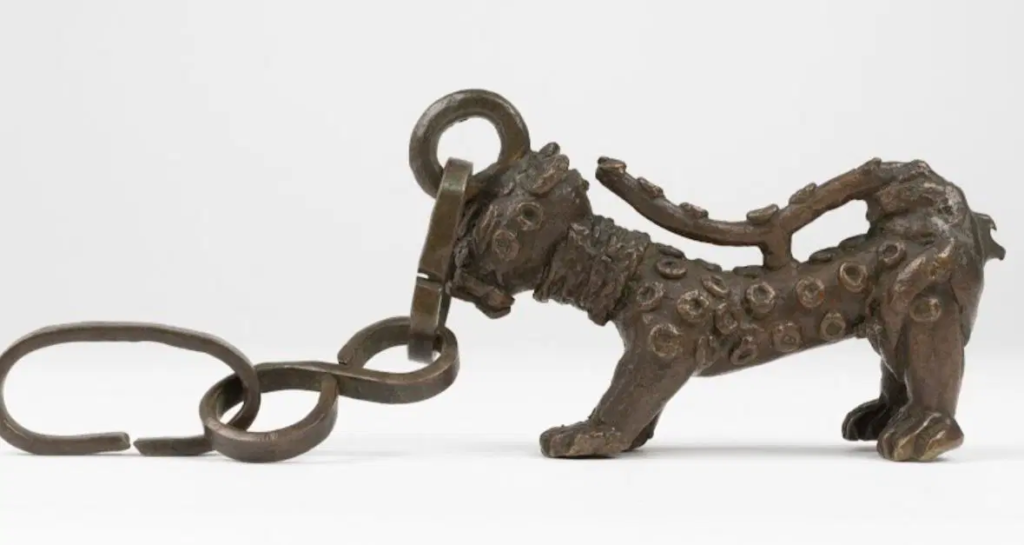
Cambridge University returns 116 Benin artefacts to Nigeria.