

















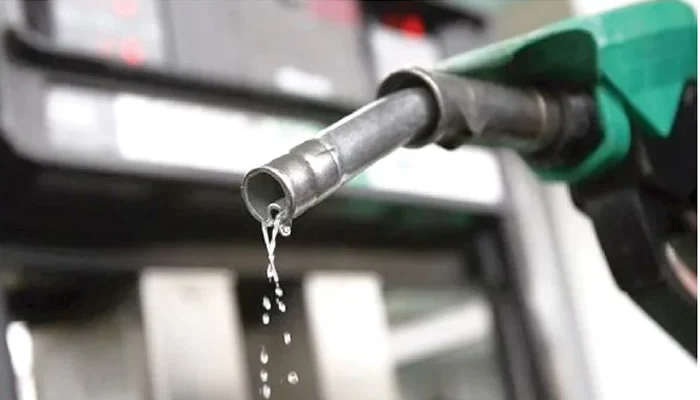
Businesses brace for inflation surge as petrol hits N1,300/ltr
Businesses brace for inflation surge as petrol hits N1,300/ltr, raising fresh concerns across Nigeria’s private sector that the economy could face another wave of rising prices driven by higher fuel costs and supply-chain pressures.
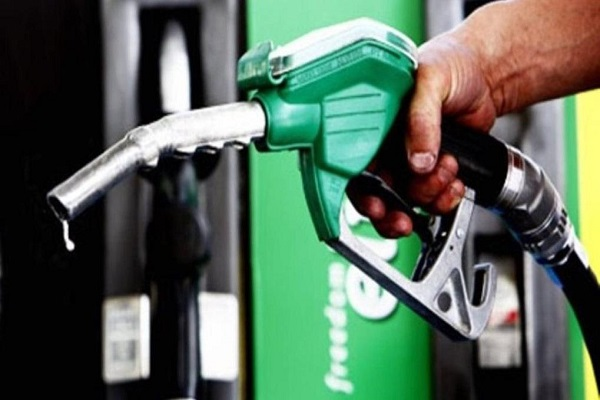
The development follows a sharp increase in petrol prices nationwide after the Dangote Petroleum Refinery adjusted its ex-depot price for Premium Motor Spirit (PMS) to ₦1,175 per litre from ₦995, triggering rapid pump price adjustments by marketers and retail filling stations. 
Within hours of the adjustment, filling stations across major cities—including Lagos, Abuja and other commercial centres—began selling petrol at ₦1,250 to about ₦1,400 per litre, with several outlets averaging around ₦1,300 per litre. 
This sudden price escalation has prompted warnings from businesses, economists and industry stakeholders that Nigeria could experience another inflation spike if the trend continues.
The headline Businesses brace for inflation surge as petrol hits N1,300/ltr reflects fears that the rising cost of energy could ripple through every sector of the economy.
Fuel price surge triggers inflation fears
The concern among businesses is straightforward: fuel remains one of the most important cost drivers in Nigeria’s economy.
With unreliable electricity supply forcing many companies to rely on petrol and diesel generators, energy costs often determine whether businesses remain profitable or even survive.
Consequently, Businesses brace for inflation surge as petrol hits N1,300/ltr because a rise in petrol prices quickly translates into higher operating costs.
Manufacturers, transport operators and logistics firms are particularly vulnerable. Once petrol prices rise, transportation costs increase, delivery expenses rise, and producers often pass those costs on to consumers.
Economic analysts warn that this pattern could quickly push up food prices and consumer goods across the country.
Global oil volatility behind the increase
Industry sources say the latest petrol price adjustment reflects instability in global oil markets.
Reports indicate that crude oil prices surged dramatically during the latest geopolitical tensions in the Middle East, briefly reaching around $115 per barrel before later retreating. 
Higher crude prices immediately raise the cost of producing refined petroleum products, especially in a market like Nigeria where refinery operators still rely on international benchmarks for crude supply.
Officials at the Dangote refinery explained that even under the crude-for-naira arrangement, crude oil purchases are still tied to global pricing structures.
The refinery said the price review reflects changes in international commodity markets, freight costs and financing expenses.
These realities help explain why Businesses brace for inflation surge as petrol hits N1,300/ltr, even though Nigeria is one of Africa’s largest oil producers.
https://ogelenews.ng/businesses-brace-for-inflation-surge-as-petrol-hits…
Private sector warns of cost ripple effects
Members of the Organised Private Sector (OPS) have already expressed concern about the broader economic implications of the price increase.
Business leaders argue that fuel price shocks can trigger a chain reaction across the economy.
Transport fares rise first.
Then distribution costs increase.
Finally, retail prices of goods and services climb.
That is why Businesses brace for inflation surge as petrol hits N1,300/ltr has become a key economic headline.
Economists say the inflation impact could spread quickly to sectors including:
• food supply chains
• manufacturing
• agriculture
• logistics and transportation
• retail and small businesses
Each of these sectors relies heavily on energy for operations.
Small businesses under pressure
Small and medium-scale enterprises are likely to feel the pressure most severely.
Many Nigerian businesses depend on petrol-powered generators because electricity supply remains inconsistent.
For such businesses, rising petrol prices directly translate into higher production costs.
This explains why Businesses brace for inflation surge as petrol hits N1,300/ltr has generated concern among shop owners, market traders and small manufacturers.
For example, bakeries, cold-room operators, welders, tailors and other small entrepreneurs rely heavily on generators for daily operations.
A sustained fuel price increase could reduce profit margins and force many businesses to increase prices or cut output.
Transport and food prices likely to rise
Transport operators have historically been among the first to respond to fuel price hikes.
When petrol prices rise, bus drivers, taxi operators and logistics companies typically increase fares to offset higher fuel costs.
That pattern could quickly affect the price of food and agricultural products transported across Nigeria.
Because Nigeria’s food distribution system relies heavily on road transportation, fuel costs have a direct impact on consumer prices.
This is another reason why Businesses brace for inflation surge as petrol hits N1,300/ltr has become a major economic concern.
Economists warn that even modest fuel increases can push food inflation higher within weeks.
Labour unions react to fuel price hikes
Labour unions have also reacted strongly to the rising petrol prices.
The Nigeria Labour Congress criticised the repeated adjustments in fuel prices, arguing that the increases worsen the already difficult cost-of-living conditions faced by many Nigerians.
Workers’ groups say the situation could further erode the purchasing power of households already struggling with high food prices and stagnant wages.
That concern highlights the social dimension of the headline Businesses brace for inflation surge as petrol hits N1,300/ltr.
It is not just businesses that feel the pressure.
Consumers ultimately bear much of the cost through higher prices for transportation, food and everyday goods.
Government faces policy dilemma
The Federal Government now faces a complex policy challenge.
On one hand, market-driven pricing reflects global crude oil realities and the removal of fuel subsidies.
On the other hand, rising fuel prices risk worsening inflation and slowing economic growth.
The government has repeatedly emphasised the importance of expanding domestic refining capacity as a long-term solution.
The Dangote refinery, one of the largest in the world with a capacity of about 650,000 barrels per day, was expected to improve Nigeria’s fuel supply security and reduce import dependence. 
However, because crude oil prices are globally determined, local refining alone cannot completely shield the country from global energy shocks.
This explains why Businesses brace for inflation surge as petrol hits N1,300/ltr despite the presence of domestic refining capacity.
What happens next
The key question now is whether petrol prices will stabilise or continue rising.
Much will depend on developments in the global oil market and whether crude prices remain volatile.
If prices remain high, businesses may be forced to adjust pricing structures across multiple sectors of the economy.
For now, the situation underscores a familiar reality in Nigeria’s economic landscape: energy costs remain one of the most powerful drivers of inflation.
That is why the headline Businesses brace for inflation surge as petrol hits N1,300/ltr captures a broader economic anxiety shared by businesses, consumers and policymakers alike.
https://punchng.com/businesses-brace-for-inflation-surge-as-petrol-hits-n1300-ltr