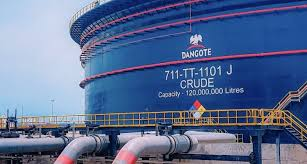




















Dangote boosts Africa fuel supply with massive exports
Africa’s fuel map is shifting, and at the centre of that change is the Dangote Petroleum Refinery in Lagos, which has rapidly expanded exports across the continent at a time of growing pressure on global supply chains.
The phrase Dangote boosts Africa fuel supply with massive exports is not just a catchy business headline. It reflects a real change in regional energy dynamics. In March alone, the refinery exported 12 cargoes of refined petroleum products totaling about 456,000 metric tonnes to African buyers, with shipments reaching Côte d’Ivoire, Cameroon, Ghana, Togo and Tanzania.
What gives the story its weight is timing. Reuters reported that the refinery’s expansion is happening as conflict-linked disruptions in the Middle East are tightening traditional fuel routes and raising costs for African importers that have long relied on Europe and the Gulf. In that climate, Dangote boosts Africa fuel supply with massive exports becomes more than a commercial milestone. It becomes a regional supply story.
The Dangote refinery, commissioned in 2023 and designed for 650,000 barrels per day, has been operating at full capacity since February, according to Reuters. That matters because scale is everything in refining. Africa has long produced crude but imported refined products. What the refinery is now doing is narrowing that contradiction by supplying finished fuel from within the continent.
So when we say Dangote boosts Africa fuel supply with massive exports, the numbers back it up. Reuters said Nigeria’s exports of clean petroleum products climbed to around 214,000 barrels per day in March, double the February level. That is a sharp jump, and it underlines how quickly the Lekki-based plant is moving from domestic relevance to continental influence.
There is also a practical edge to Dangote’s rise. Shipping fuel from Nigeria to many African destinations is shorter and potentially cheaper than shipping it from far-off Gulf or European refineries, especially at a time when freight costs and geopolitical risks are climbing. Reuters noted that this shorter supply chain is now giving Dangote a competitive advantage. In plain terms, Dangote boosts Africa fuel supply with massive exports because the refinery is closer to the market and is arriving at a moment when buyers are looking for alternatives.
Channels Television and BusinessDay both reported that these exports mark the refinery’s first major petrol shipments since hitting full production capacity in February. That point is important. It means the refinery is no longer simply proving it can refine at scale. It is proving it can place cargoes into African markets consistently enough to affect supply conversations across the region.
https://ogelenews.ng/dangote-boosts-africa-fuel-supply-with-massive-expo…
This is why Dangote boosts Africa fuel supply with massive exports is best written as a continental energy story. The refinery is not just meeting Nigerian demand. It is helping to reposition Nigeria as a fuel supplier to neighboring economies that have historically looked elsewhere for refined products. That is a strategic shift with implications for trade, foreign exchange, shipping patterns and energy security.
Of course, there is a domestic tension buried inside the success story. Reuters reported that Aliko Dangote has criticized ongoing fuel import practices that he said undermined his business, though Nigeria halted petrol imports last month. Reuters also reported that domestic fuel prices have risen more than 50 percent. That means the refinery’s regional success is unfolding alongside debates at home over pricing, imports and market protection.
That tension should not be ignored. A veteran newsroom has to say both things at once: Dangote boosts Africa fuel supply with massive exports, and yet the refinery’s growing continental influence also raises hard domestic questions about affordability, regulation and whether Nigerians are seeing the full benefit of local refining capacity.
Still, the larger point remains difficult to miss. Africa’s fuel dependency has long been one of the continent’s great economic contradictions. Crude goes out. Refined fuel comes back in. The Dangote refinery is beginning, in visible volume, to bend that pattern. Twelve cargoes and 456,000 tonnes do not solve Africa’s refining gap on their own, but they signal that a new centre of supply is emerging in West Africa. That is the deeper meaning behind Dangote boosts Africa fuel supply with massive exports.
There is also a symbolic dimension. African countries turning to an African refinery during a period of global dislocation changes the psychological frame of the market. It suggests that the continent is no longer only a price-taker waiting for cargoes from abroad. It can, at least in part, serve itself. Bloomberg described African nations as increasingly flocking to Dangote’s refinery as outside supplies tighten. That framing captures the moment well.
In the end, Dangote boosts Africa fuel supply with massive exports works because it is true on the facts and strong on the wider meaning. The exports are real. The volumes are significant. The destination countries are identifiable. And the context is bigger than one refinery or one businessman. This is about energy leverage, regional trade and a continent trying, however gradually, to keep more value within its own borders.
For Ogele News, that is the best frame: not a celebratory company bulletin, but a serious report on how one massive refinery is beginning to redraw Africa’s fuel supply chain. Dangote boosts Africa fuel supply with massive exports, and the continent is already feeling the effect.