














Dangote oil regulator dispute deepens as Aliko Dangote calls for a probe over fuel import policy, local refining and Nigeria’s energy future.
Dangote oil regulator dispute has escalated after billionaire industrialist Aliko Dangote accused Nigeria’s downstream petroleum regulator of policies that undermine local refining.
The Dangote oil regulator dispute has drawn strong reactions from industry stakeholders growing debate over Nigeria’s fuel supply strategy, Dangote argued that regulatory decisions within the downstream sector are tilted in favour of imported products, a development he believes is discouraging investment in domestic refining and limiting job creation across the petroleum value chain.
Dangote, whose privately owned refinery in Lekki is expected to play a central role in Nigeria’s drive toward fuel self-sufficiency, specifically questioned the conduct of the Nigerian Midstream and Downstream Petroleum Regulatory Authority (NMDPRA). He alleged that current import approvals and pricing structures allow cheaper foreign fuel to dominate the local market, placing locally refined products at a disadvantage.
According to him, such practices distort competition, weaken confidence in local refining projects and slow Nigeria’s transition away from long-standing reliance on imported petroleum products. He further called for a corruption probe into the leadership of the regulator, insisting that transparency is necessary to restore trust in the system.
Analysts say the Dangote oil regulator dispute reflects deeper structural challenges this call has drawn reactions across the oil and gas industry, with analysts noting that the dispute reflects broader structural tensions within Nigeria’s energy sector. Despite repeated policy commitments to achieve self-sufficiency, the country has continued to rely heavily on imports to meet domestic fuel demand.
Energy policy analysts say Nigeria’s refining challenges cannot be solved through imports alone, noting that long-term stability depends on regulatory predictability and investor confidence. They warn that unresolved disputes between major private investors and regulators risk slowing reforms needed to modernise the sector. As fuel pricing, licensing and market access remain sensitive issues, observers believe sustained engagement between government, regulators and industry players is essential to prevent prolonged uncertainty.
Advocates of local refining argue that prioritising domestic production would help stabilise supply, conserve foreign exchange and strengthen national energy security. They say dependence on imports leaves Nigeria vulnerable to global price swings and supply disruptions.
Others, however, defend the existing regulatory framework, maintaining that fuel imports remain necessary to bridge supply gaps, particularly during transitional periods. They argue that the regulator’s responsibility is to ensure consistent availability and affordability of petroleum products, rather than favouring specific operators.
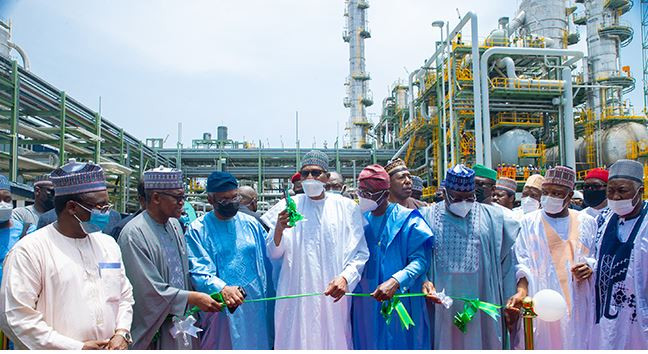
The Dangote Refinery, one of the largest single-train refineries globally, has been repeatedly highlighted by policymakers as a pillar of Nigeria’s energy reform agenda. Its performance is widely seen as critical to reducing import bills and repositioning the country as a potential exporter of refined products.
Industry experts caution, however, that regulatory clarity and consistency are essential if large-scale private investments are to deliver long-term benefits. They warn that uncertainty around pricing, licensing and market access could discourage further capital inflows into the sector.
As of the time of filing this report, the Federal Government has not issued an official response to Dangote’s latest claims. Sources within the industry say engagements are ongoing behind the scenes, with several stakeholders urging dialogue rather than escalation.
Civil society organisations have also weighed in, calling for transparency and independent investigation of any allegations involving regulatory agencies. They argue that restoring confidence in governance structures is vital for attracting investment and maintaining public trust.
How the government resolves the Dangote oil regulator dispute may shape Nigeria’s energy policy Nigeria continues to navigate complex energy reforms, observers say the outcome of the dispute could influence the future direction of petroleum policy, competition and regulation in the sector.