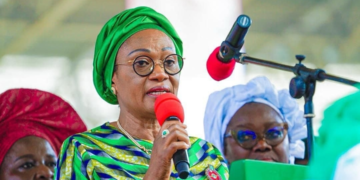


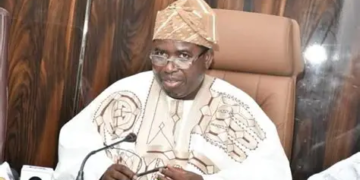













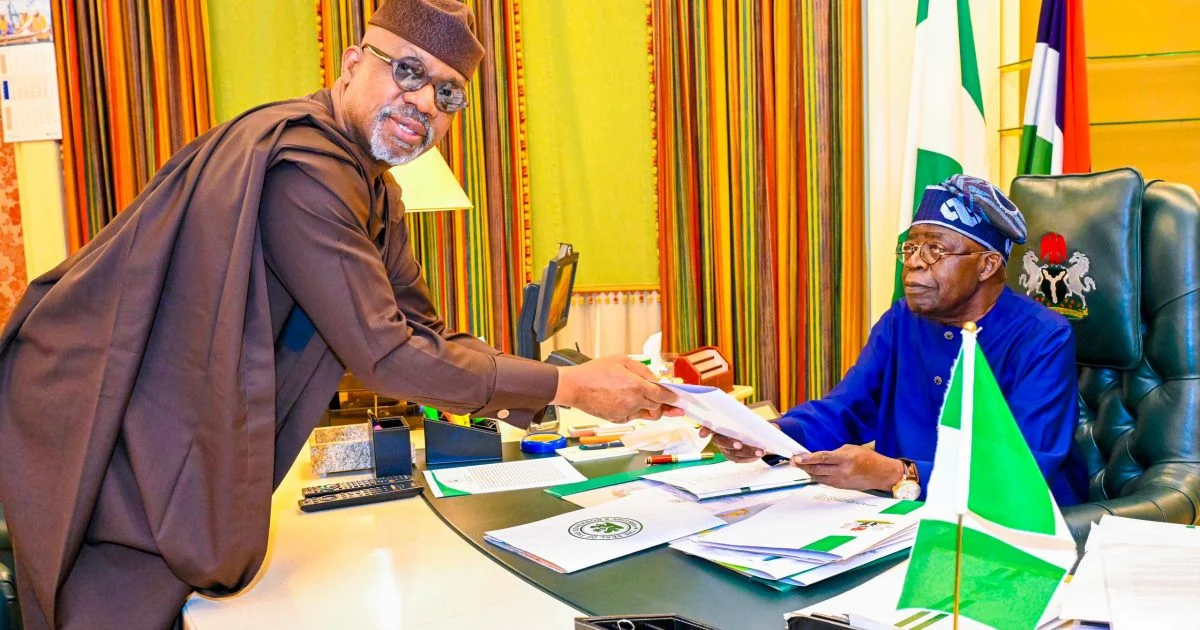
Dapo Abiodun Tinubu economic reforms became a focal point of political discussion in Ogun State on Monday as Governor Dapo Abiodun publicly defended the economic policies introduced by President Bola Ahmed Tinubu, describing them as difficult but necessary steps toward building what he called a “new Nigeria.”
The Ogun State governor made the remarks while addressing attendees at a state event in Abeokuta, responding to increasing public concern over the impact of the federal government’s economic direction. His comments come amid rising national debate over inflation, cost of living pressures, and the social consequences of ongoing reforms.
Governor Abiodun acknowledged the economic hardship many Nigerians are currently experiencing but insisted that the reforms were designed to correct deep-rooted structural problems rather than provide short-term political comfort.
https://ogelenews.ng/nigeria-economic-policy-analysis
Abiodun Frames Tinubu’s Economic Reforms as Structural Reset
According to Abiodun, the Tinubu administration inherited an economy burdened by long-standing distortions that could no longer be sustained. He argued that the president’s policies should be understood as a structural reset, not cosmetic adjustments meant to win public approval.
He cited key measures such as fuel subsidy removal, fiscal restructuring, and reforms in revenue administration as deliberate attempts to address inefficiencies that had weakened Nigeria’s economy over decades. The governor maintained that preserving old systems had become economically dangerous, leaving the country vulnerable to fiscal shocks and long-term stagnation.
Abiodun said the reforms were aimed at rebuilding the foundations of the economy to support sustainable growth, investment, and institutional stability, even if the transition period proves uncomfortable for citizens.
Governor Calls for Patience Amid Economic Hardship
While defending the reforms, Abiodun conceded that Nigerians are facing real economic pressure, including higher food prices, transportation costs, and reduced purchasing power. However, he urged citizens to exercise patience, stressing that major economic transitions often come with short-term pain before long-term gains become visible.
https://ogelenews.ng/tinubu-economic-reforms
He framed Tinubu’s economic agenda within the broader Renewed Hope Agenda, which he said seeks to reposition Nigeria for competitiveness, resilience, and fiscal discipline in a rapidly changing global economy.
The governor also appealed for national unity, noting that economic recovery would require shared sacrifice and cooperation across political, ethnic, and social divides. According to him, rebuilding trust in public institutions is as critical as the policies themselves.
Tinubu’s Economic Policies Spark Divided Reactions Nationwide
The defence of Dapo Abiodun Tinubu economic reforms reflects the sharply divided national conversation surrounding President Tinubu’s economic strategy. Supporters within government circles and parts of the private sector argue that the reforms were long overdue and unavoidable given Nigeria’s fiscal realities.
They maintain that subsidy payments, weak revenue systems, and distorted market controls had drained public finances and discouraged investment for years.
On the other hand, critics point to rising inflation, declining real wages, and increased household hardship as evidence that ordinary Nigerians are bearing the heaviest cost of the reforms. Labour unions, civil society organisations, and advocacy groups have repeatedly called for stronger social protections, clearer timelines for relief measures, and more transparent communication from the federal government.
Some have argued that while reforms may be necessary, the pace and sequencing of implementation have worsened economic stress for vulnerable populations.
Political Implications as 2027 Approaches
With the 2027 general elections drawing closer, economic performance is expected to dominate political debate across the country. Analysts say statements like Abiodun’s indicate how allies of the Tinubu administration are beginning to frame the reforms not just as policy choices, but as part of a long-term national rebuilding project.
By positioning the reforms as foundational rather than optional, supporters of the administration appear to be preparing the ground for sustained political defence of Tinubu’s economic agenda ahead of the next election cycle.
For now, Nigeria remains at a crossroads. While government officials insist that the reforms represent a necessary reset, many citizens remain sceptical, judging the policies by their immediate impact on daily life.
What is clear is that the success or failure of Tinubu’s economic reforms will shape Nigeria’s political climate, public trust, and economic direction in the years leading up to 2027 and beyond.
Observers say Governor Dapo Abiodun’s defence of Tinubu’s economic reforms reflects a broader effort by ruling party leaders to frame the president’s policies as long-term solutions rather than short-term fixes. According to Abiodun, Tinubu’s economic reforms are designed to stabilise public finances, attract investment, and reset Nigeria’s development path, even as citizens grapple with rising costs.
https://www.nigerianstat.gov.ng