















defamation case against Senator Natasha Akpoti-Uduaghan
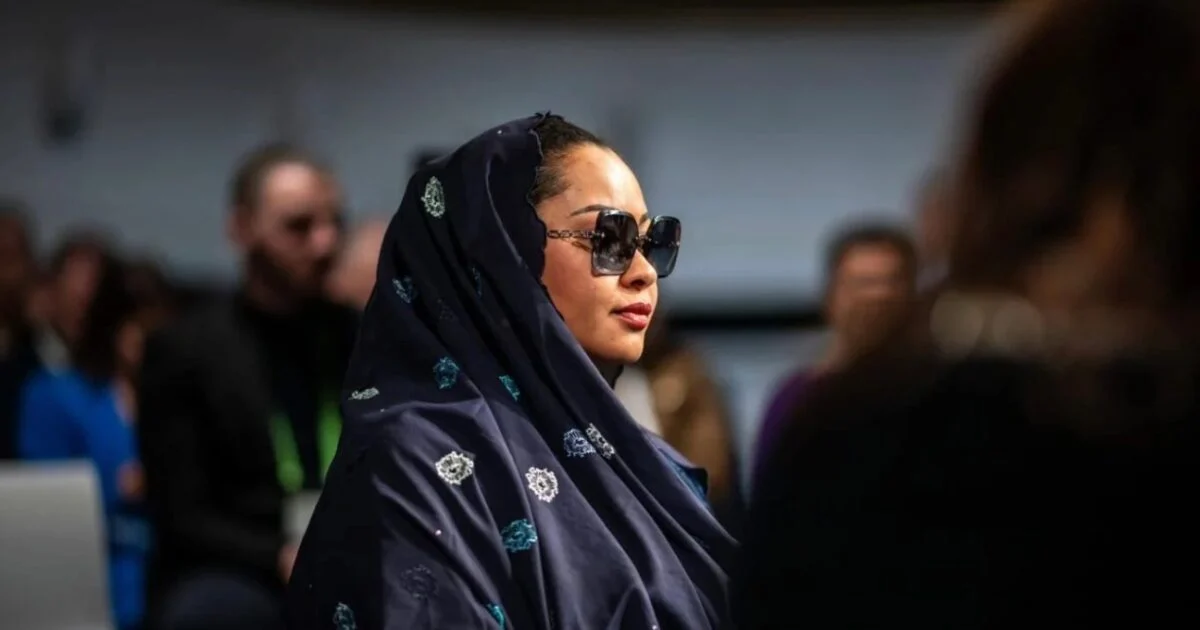
The Federal Government of Nigeria has formally withdrawn the defamation case against Senator Natasha Akpoti-Uduaghan, bringing to an end a politically charged legal battle that dominated public discourse for much of 2025 and raised fundamental questions about free speech, dissent, and the limits of state power in a democracy.
The criminal case, which had been pending before a High Court since mid-2025, was discontinued after the Office of the Attorney-General of the Federation filed a Notice of Discontinuance in late December. The decision effectively terminated the prosecution and removed the immediate legal threat hanging over the Kogi Central senator as the country entered the new year.
The withdrawal of the defamation case against Senator Natasha Akpoti-Uduaghan has been widely interpreted as both a legal and political turning point, signalling restraint by the state and reopening debate about the continued relevance of criminal defamation laws in Nigeria’s democratic space.
https://ogelenews.ng/defamation-case-against-senator-natasha-akpoti-udua..
How the Defamation Case Began
The defamation case against Senator Natasha Akpoti-Uduaghan originated from remarks she made during a public engagement in 2025, comments that federal authorities claimed were defamatory to certain high-profile political actors and institutions.
Following those remarks, the Federal Government initiated criminal proceedings rather than a civil action, a move that immediately drew criticism from legal scholars, civil society organisations, and opposition figures. Many argued that the use of criminal defamation in a political context was disproportionate and potentially unconstitutional.
From the outset, the case sparked intense national debate. Supporters of the senator framed the prosecution as an attempt to silence a vocal and outspoken lawmaker, while critics of her comments argued that public figures should also be accountable for statements that could damage reputations.
Withdrawal of the Case and Legal Implications
The decisive moment came when the Attorney-General exercised constitutional powers to discontinue the defamation case against Senator Natasha Akpoti-Uduaghan through a Notice of Discontinuance, a lawful mechanism that allows the state to halt criminal proceedings before judgment.
Once the notice was filed and acknowledged by the court, the charges were effectively dropped, ending the prosecution without a verdict on the merits of the allegations.
Sources within the justice sector indicated that the withdrawal followed internal legal reviews, mounting pressure from rights groups, and concerns about the broader implications for democratic governance. Some officials privately acknowledged that continuing the case risked reinforcing perceptions of intolerance toward dissent.
Reaction From Senator Akpoti-Uduaghan
Reacting to the development, Senator Akpoti-Uduaghan described the withdrawal as a vindication of her constitutional rights and a victory for freedom of expression.
She maintained that the defamation case against Senator Natasha Akpoti-Uduaghan had always been about more than personal reputation, arguing that it reflected a wider struggle over whether elected officials could speak openly on matters of public interest without fear of criminal sanction.
The senator reaffirmed her commitment to legislative advocacy, accountability, and representing the interests of her constituents without intimidation.
Civil Society and Legal Community Respond
Civil society organisations and legal advocacy groups welcomed the decision to drop the defamation case against Senator Natasha Akpoti-Uduaghan, describing it as a positive signal for democratic norms.
The Nigerian Bar Association and several human rights bodies had earlier criticised the prosecution, warning that criminal defamation laws are prone to abuse and have a chilling effect on political discourse. They argued that civil remedies, rather than criminal punishment, are the appropriate avenue for resolving disputes over allegedly defamatory statements.
Legal experts also pointed out that the case highlighted unresolved tensions between Nigeria’s colonial-era criminal statutes and modern constitutional guarantees of free speech.
Political Context and Calculations
Beyond the legal dimensions, the defamation case against Senator Natasha Akpoti-Uduaghan carried significant political weight. The senator is a prominent figure in opposition circles and a consistent critic of aspects of federal policy and governance.
Analysts believe the government’s decision to withdraw the case reflects a calculated effort to de-escalate political tensions, avoid prolonged controversy, and project an image of tolerance as Nigeria navigates economic reforms and security challenges in 2026.
Opposition politicians seized on the withdrawal as evidence that the prosecution may have been ill-advised, renewing calls for a comprehensive review or outright repeal of criminal defamation provisions in Nigerian law.
Broader Constitutional Questions
Under Nigerian law, defamation can be pursued through civil litigation or criminal prosecution. However, the use of criminal defamation against political speech has remained deeply controversial.
The discontinuance of the defamation case against Senator Natasha Akpoti-Uduaghan has revived calls for legislative reform, with legal scholars urging lawmakers to align defamation laws with democratic standards that prioritise free expression while still allowing reputational disputes to be resolved through civil courts.
Several constitutional lawyers described the withdrawal as an opportunity for Nigeria to reassess how power is exercised in politically sensitive cases.
What It Means Going Forward
With the case now closed, Senator Akpoti-Uduaghan faces no further criminal exposure from the matter. However, the debate it generated is far from over.
For the Tinubu administration, the withdrawal of the defamation case against Senator Natasha Akpoti-Uduaghan may help reset relations with civil society and reduce political friction. For lawmakers and reform advocates, it reinforces the urgency of revisiting criminal defamation laws to prevent future abuse.
In the end, the withdrawal of the defamation case could be seen as a moment where legal restraint, democratic values, and political calculation intersected, shaping a significant precedent for how similar controversies might be handled in the future.