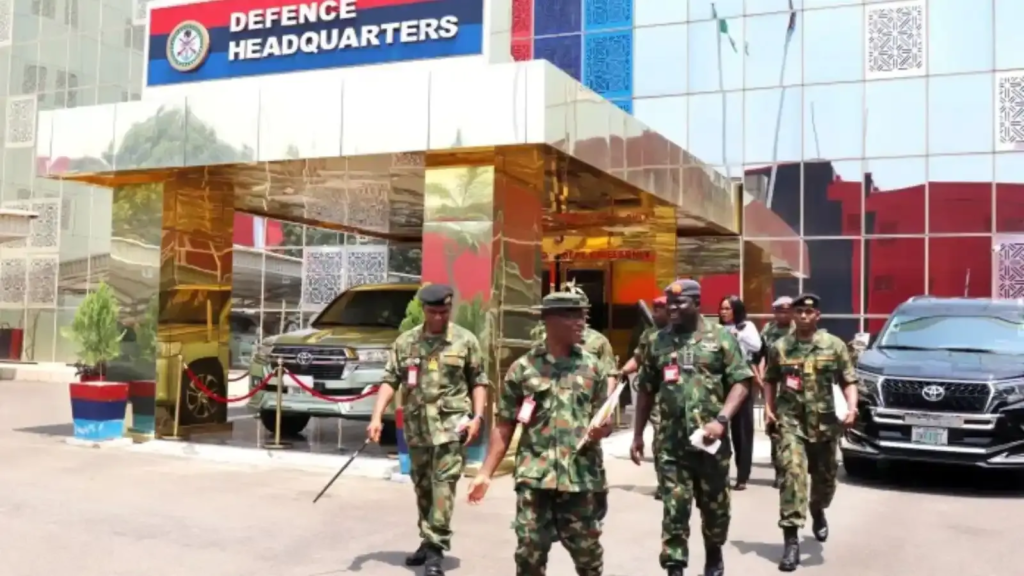














Defence Headquarters reveals why terrorists carried out mass killings in Kwara
The Defence Headquarters (DHQ) has offered a stark explanation of why terrorists carried out mass killings in Woro and neighbouring communities in Kwara State, revealing that the massacre was driven by extremist aims to impose ideology on residents who refused to comply. The declaration came after one of the deadliest attacks in Nigeria’s recent history, where dozens — and possibly hundreds — of villagers were murdered in an assault marked by violence, intimidation and arson. 
According to the DHQ’s official statement, the terrorists had initially entered Woro village — located in Kaiama Local Government Area — seeking permission to carry out preaching and ideological sessions. When the villagers rejected the request, insisting on their constitutional freedoms and way of life, the assailants returned weeks later and carried out mass killings in Kwara in retaliation and as part of a strategy of terror. 
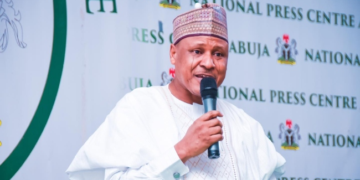
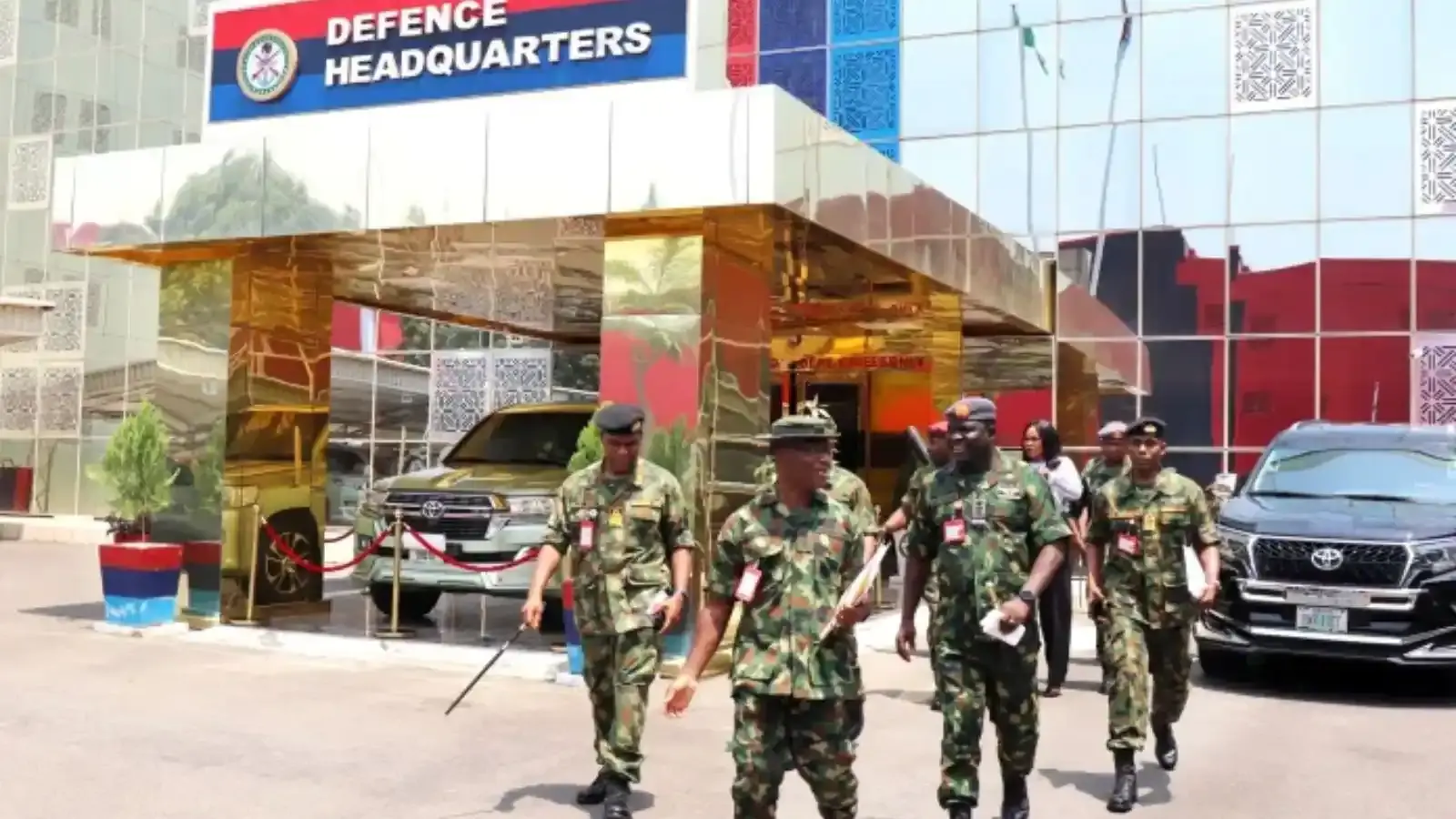
The Defence spokesman, Major General Samaila Uba, described the assault as a “cowardly terrorist attack” and condemned it as an attempt to use fear and violence to impose a twisted belief system on defenceless citizens. He called on Nigerians to remain steadfast in constitutional values and to resist intimidation by violent extremist groups. 
The Attack and the Motive
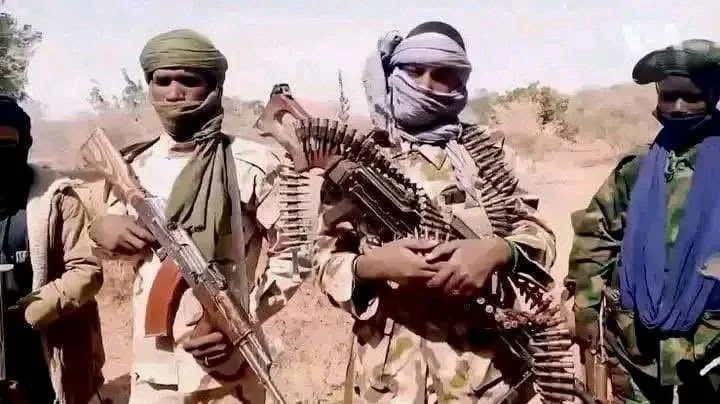
On 3 February 2026, armed men — suspected to be militants affiliated with extremist elements linked to factions of Islamic State and Boko Haram — stormed Woro and nearby Nuku villages in the early evening. They surrounded homes, bound residents, and carried out indiscriminate shootings that lasted into the early hours of the next day. Reports indicate that more than 160 villagers were killed, many shot at close range, homes were burned, and dozens of residents were abducted. 
The DHQ explained that the underlying reason terrorists carried out mass killings in Kwara was that the local people resisted pressure to abandon their lifestyle and reject the ideology the attackers sought to impose. Defence authorities said the killers were angered by the villagers’ refusal to permit preaching and indoctrination, interpreting the refusal as defiance of their demands. 
“The assailants had earlier requested to conduct preaching and indoctrination sessions, which the villagers refused,” the statement read, noting that robust patrols had been maintained in the area weeks before the attack. But after government troops were pulled back, the extremists seized the opportunity to return and exact revenge, killing innocent men, women and children.
https://ogelenews.ng/why-terrorists-carried-out-mass-killings-in-kwara
Casualties, Chaos and Community Trauma
The precise casualty figure remains contested among authorities and humanitarian bodies, but multiple reports put the death toll at at least 162 — a figure confirmed by the Red Cross — while some estimates, including local statements, suggest it may exceed 170 or more. 
Survivors recounted harrowing scenes of armed men on motorcycles arriving at dusk, driving families into hiding and firing indiscriminately. Many homes and shops were torched, heightening the terror and forcing many residents to flee into surrounding bushland. 
Community leaders said the terrorists demanded villagers adopt extremist interpretations of Sharia law and renounce their loyalty to the Nigerian state. When villagers stood their ground and refused, the attackers responded with brutal force. 
“It was clear this wasn’t just a robbery or bandit raid,” one local elder said. “They came with threats and warnings. When we refused their demands, they returned and killed people as punishment.” 
Why This Attack Matters
The DHQ’s explanation of why terrorists carried out mass killings in Kwara shines a spotlight on the growing complexities of insecurity in areas once considered less volatile. Kwara, in the western part of Nigeria, had not previously featured prominently in jihadist violence, but the magnitude of this massacre underscores a southward spread of violent extremism into regions that had largely been untouched by such large-scale carnage. 
Security analysts say that extremist groups may be seeking easier targets outside of their traditional strongholds in the northeast and northwest, exploiting gaps in protection and local frustrations with long-standing security challenges. Recent killings in the Kaiama axis suggest a deliberate attempt to expand influence and settle scores with communities that refuse compliance. 
The DHQ’s position is that terrorists carried out mass killings in Kwara as an expression of frustration when their attempts to sway a community based on coercion and intimidation were rejected, and to send a broader message to other villages that resistance would have deadly consequences. 
Security Response and Official Condemnation
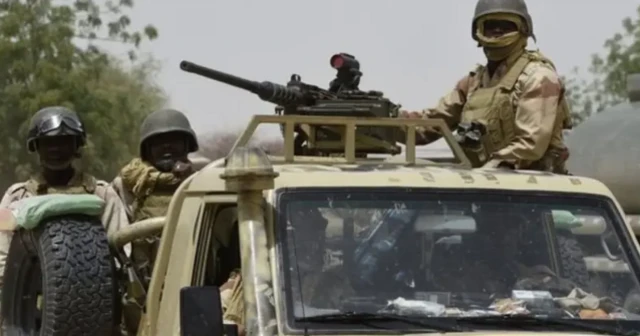
In response to the killings, President Bola Ahmed Tinubu ordered the immediate deployment of troops to the affected communities and directed intensified operations to track down the perpetrators and restore peace to the region. Kwara State officials, including Governor AbdulRahman AbdulRazaq, condemned the massacre and called for unity in combating terror threats. 
Security agencies have stepped up patrols and military presence in the Kaiama Local Government Area in the wake of the attack, though villagers have questioned the timeliness of past deployments and urged a more permanent protective posture to prevent repeat incursions. 
The DHQ also urged Nigerians to deepen cooperation with security forces, emphasising that unity and resilience remain the nation’s strongest defence against terrorism. Authorities reaffirmed their commitment to prosecuting those responsible and intensifying counterterrorism operations nationwide. 
Humanitarian and National Impact
The attack has had profound humanitarian consequences. Beyond the staggering loss of life, hundreds of community members have been displaced, homes destroyed and families torn apart. Aid organisations reported difficulties accessing remote areas, complicating efforts to provide medical support, shelter and psychosocial assistance. 
The massacre has also reignited national debate about security strategy, with many Nigerians questioning how extremist forces were able to strike deep into territories with limited immediate intervention. Civil society and opposition figures have called for stronger implementation of declared emergency security measures and for meaningful reforms to protect vulnerable communities. 
Looking Forward
Why terrorists carried out mass killings in Kwara is now tied not just to ideological imposition, but to broader concerns over governance, rural protection and the nutritional reach of violent extremist networks. The DHQ’s narrative — that extremists retaliated when their demands were rejected — highlights the existential threat faced by remote communities standing against coercive violence.
As investigations continue, security observers say the lessons from this brutal chapter are clear: strengthening local resilience, enhancing early warning systems, and ensuring rapid response capabilities will be critical in preventing similar tragedies. Community cooperation with security forces and clarity of constitutional values remain central to Nigeria’s push against terrorism and violent extremism.