
















FG files charges against El-Rufai over intercepting NSA Ribadu’s phone
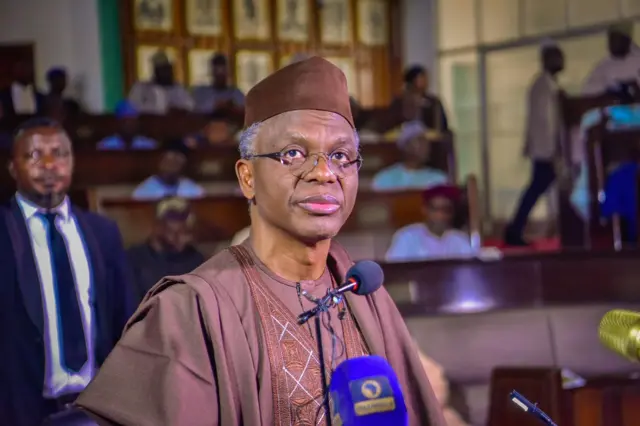
The Federal Government has formally instituted criminal proceedings against former Kaduna State Governor, Nasir El-Rufai, over alleged unlawful interception of the phone communications of National Security Adviser (NSA), Mallam Nuhu Ribadu.
The case, marked C2/99/2026 and dated February 16, 2026, lists the Federal Republic of Nigeria as complainant and Nasir El-Rufai as defendant, according to media sources.
FG files charges against El-Rufai over intercepting NSA Ribadu’s phone in what is shaping up to be one of the most consequential cybercrime-related prosecutions involving a senior political figure in recent years.
At the centre of the charges is a televised interview El-Rufai granted on Arise TV’s Prime Time programme on February 13, 2026, where prosecutors allege he made statements that amounted to an admission of unlawful interception of private communications.
What the Federal Government is alleging
According to the charge sheet filed by federal prosecutors, the government claims that El-Rufai admitted during the interview that he and unnamed associates intercepted the communications of the National Security Adviser.
FG files charges against El-Rufai over intercepting NSA Ribadu’s phone under provisions of the Cybercrimes (Prohibition, Prevention, etc.) Amendment Act, 2024, and the Nigerian Communications Act, 2003.
The charges are structured in three counts.
Count One: Alleged admission of unlawful interception
The prosecution alleges that El-Rufai’s televised remarks constituted an admission of unlawful interception of phone communications, contrary to Section 12(1) of the Cybercrimes Amendment Act, 2024.
This section criminalises the intentional interception of electronic communications without lawful authority.
FG files charges against El-Rufai over intercepting NSA Ribadu’s phone partly on the argument that such interception, if proven, would violate Nigeria’s cybercrime laws.
Count Two: Alleged failure to report cybercrime activity
The second count alleges that El-Rufai admitted knowledge of individuals involved in unlawful interception of communications but failed to report them to authorities.
This charge invokes Section 27(b) of the Cybercrimes Amendment Act, which makes it an offence to knowingly conceal cybercrime activities or fail to report them.
FG files charges against El-Rufai over intercepting NSA Ribadu’s phone also on grounds that failure to disclose knowledge of such activities constitutes a separate criminal offence.
Count Three: Alleged unlawful use of technical interception equipment
The third count alleges that El-Rufai and unnamed associates used technical systems or equipment to intercept communications belonging to the National Security Adviser.
This charge is brought under Section 131(2) of the Nigerian Communications Act, 2003, which prohibits unlawful interception of telecommunications.
The prosecution claims such conduct, if established, could undermine national security and public safety.
FG files charges against El-Rufai over intercepting NSA Ribadu’s phone, framing the alleged conduct as a national security concern.
Why this case is significant
The National Security Adviser occupies one of the most sensitive security positions in Nigeria, coordinating intelligence and national security operations.
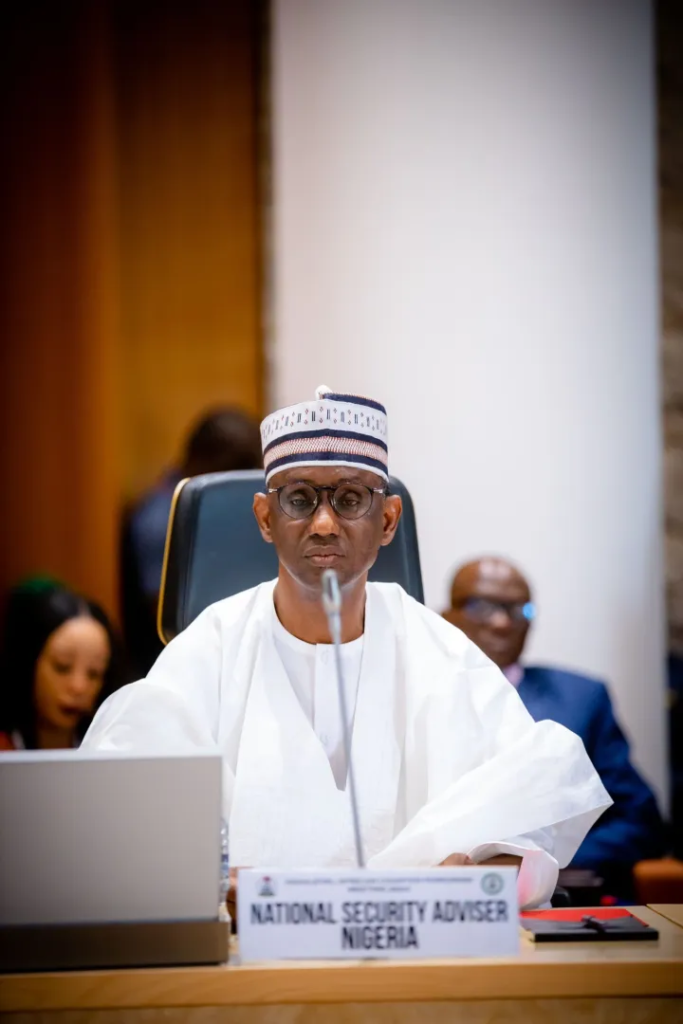
Any alleged interception of the NSA’s communications raises serious implications, not only legally but also in terms of national security protocols and cyber-infrastructure protection.
FG files charges against El-Rufai over intercepting NSA Ribadu’s phone in a case that may test the enforcement reach of Nigeria’s cybercrime and communications laws.
Legal analysts note that the Cybercrimes Act amendment strengthened provisions on digital surveillance and interception, making prosecution easier in cases involving unauthorised electronic monitoring.
https://ogelenews.ng/fg-files-charges-elrufai
Legal process and what happens next
With charges now filed, the case is expected to proceed through Nigeria’s criminal justice system.
This typically involves:
- Formal arraignment of the defendant
- Entry of plea
- Pre-trial motions
- Trial proceedings
FG files charges against El-Rufai over intercepting NSA Ribadu’s phone, but it is important to note that filing charges does not constitute a conviction.
Under Nigerian law, El-Rufai is presumed innocent unless proven guilty in court.
At the time of filing this report, there was no official public response from El-Rufai or his legal representatives regarding the charges.
Political and national implications
El-Rufai is one of Nigeria’s most prominent political figures, having served as governor of Kaduna State and previously as Minister of the Federal Capital Territory.
FG files charges against El-Rufai over intercepting NSA Ribadu’s phone in a development that could have political, legal, and institutional implications.
The case may also test the government’s commitment to enforcing cybercrime laws irrespective of political status.
What to watch next
Key developments to monitor include:
- El-Rufai’s formal court appearance
- His legal team’s defence strategy
- Court rulings on admissibility of interview evidence
- Potential wider investigation involving unnamed associates
FG files charges against El-Rufai over intercepting NSA Ribadu’s phone in what is likely to be closely watched legal proceedings across Nigeria’s political and legal landscape.