














FG seeks views on social media age limits for children
FG seeks views on social media age limits for children as the Federal Government begins a nationwide consultation aimed at shaping policies to protect Nigerian children from online risks.
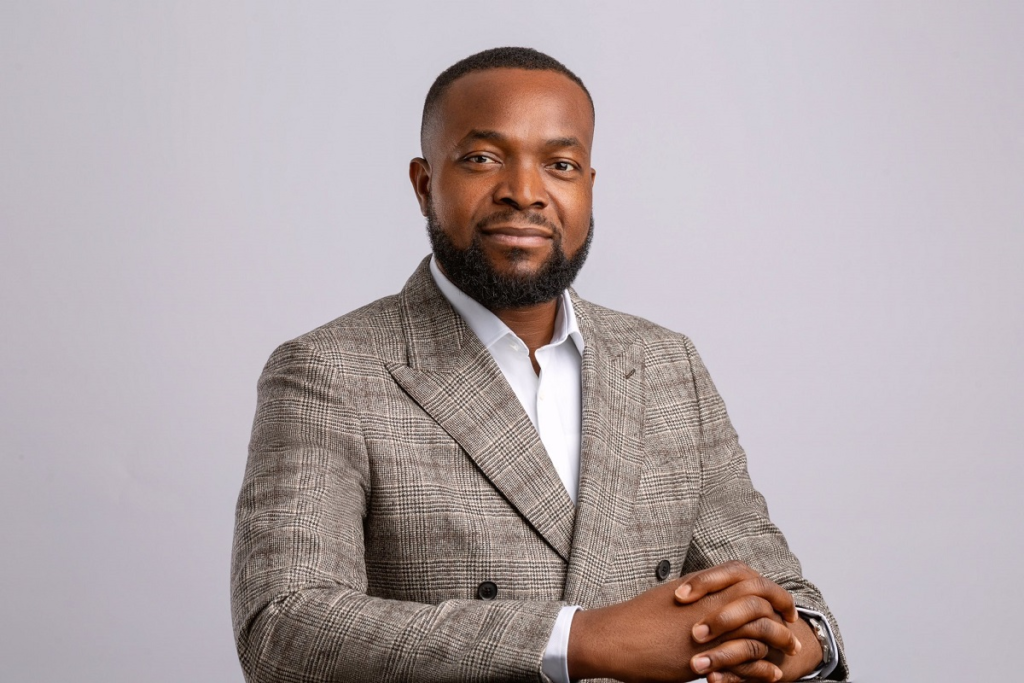
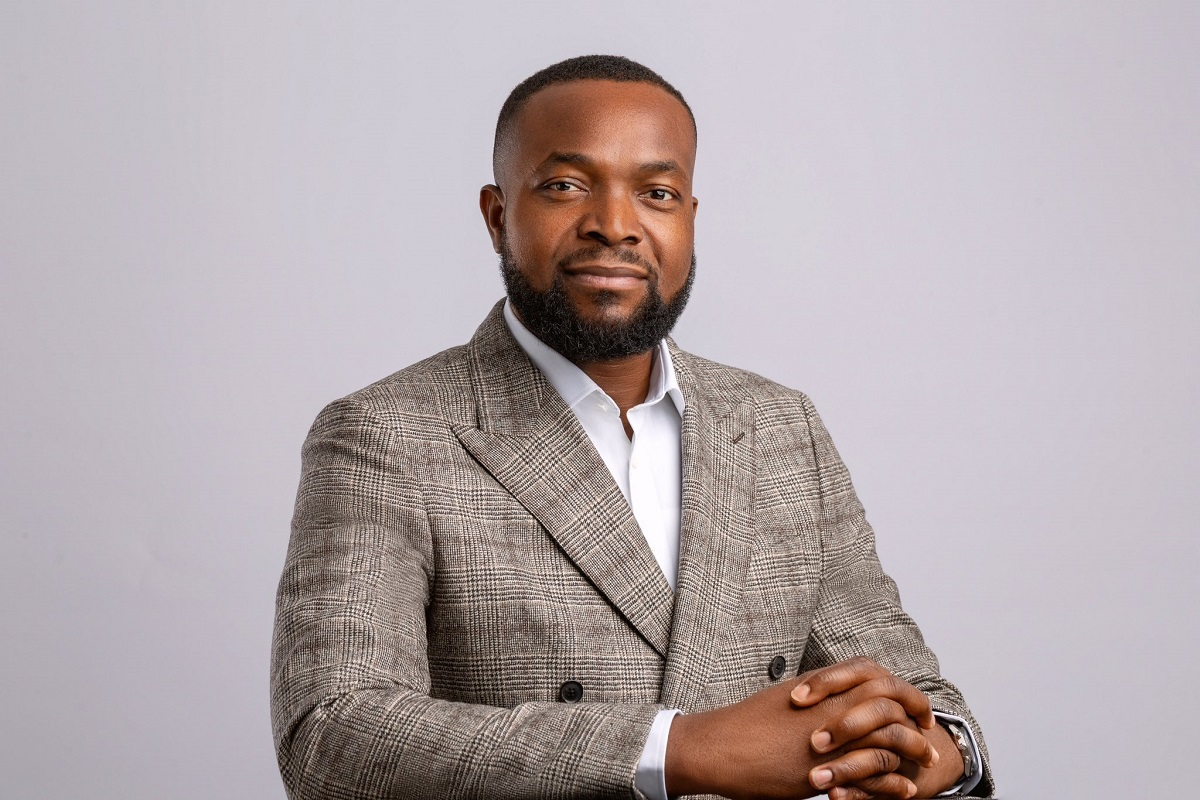
The consultation, announced by the Minister of Communications, Innovation and Digital Economy, Dr. Bosun Tijani, invites Nigerians to share their opinions on whether age restrictions and other safeguards should be introduced for social media platforms used by minors. 
According to the minister, while digital technologies and the internet offer enormous opportunities for education, creativity and communication, they also expose children to significant risks that require careful policy attention.
This is the policy context behind the headline FG seeks views on social media age limits for children, which signals a growing national conversation about how to protect young people in Nigeria’s rapidly expanding digital environment.
Government launches public consultation
The Federal Government announced the consultation through the Ministry of Communications, Innovation and Digital Economy.
Dr. Tijani explained that the government is seeking public input to ensure that any regulatory framework adopted reflects Nigeria’s unique digital realities.
“As Nigeria evaluates potential policy approaches for protection of children online, including age restrictions, improved age verification systems, platform accountability measures, and enhanced regulatory oversight, public input is essential,” the minister said. 
The initiative therefore allows parents, educators, technology experts and other stakeholders to contribute ideas on how Nigeria should regulate children’s access to social media.
This participatory approach forms the foundation of the policy debate reflected in FG seeks views on social media age limits for children.
Risks children face on social media
Government officials say children’s online experiences can expose them to a wide range of risks.
These include:
• cyberbullying and online harassment
• exposure to harmful or inappropriate content
• online exploitation by predators
• misuse of personal data
• psychological harm from excessive screen time
These concerns are not unique to Nigeria.
Across the world, policymakers are increasingly questioning whether unrestricted access to social media is safe for young users.
As a result, the consultation behind FG seeks views on social media age limits for children reflects growing international concern about the impact of digital platforms on children’s safety and mental health.
https://ogelenews.ng/fg-seeks-views-on-social-media-age-limits-for-child…
Possible policy options under review
Although the government has not yet adopted a specific policy, several options are under consideration.
Officials say the consultation will examine measures such as:
• introducing minimum age limits for social media accounts
• strengthening age-verification technology on digital platforms
• requiring platforms to adopt stricter child-protection policies
• enhancing government regulatory oversight of social media companies
These potential measures are being explored as part of the policy process highlighted in FG seeks views on social media age limits for children.
The government insists that any decision will balance child protection with digital innovation and freedom of expression.
Global trend toward social media restrictions
Nigeria’s consultation comes at a time when several countries are reviewing or introducing regulations on social media access for children.
For example, Australia passed legislation restricting social media use for users under 16, with heavy penalties for companies that fail to comply. 
Similarly, countries such as Indonesia and Malaysia have also explored restrictions or regulatory frameworks aimed at protecting minors from harmful digital content. 
These international developments provide context for the Nigerian debate reflected in FG seeks views on social media age limits for children.
Policymakers are closely watching how other countries balance child protection with digital rights.
Nigerian lawmakers previously raised concerns
Nigeria’s National Assembly has also shown interest in the issue of social media regulation for minors.
In 2024, lawmakers called on the Federal Ministry of Communications to explore measures to limit social media use among children under 16, citing concerns about online exposure and declining academic focus. 
Although that proposal did not immediately translate into legislation, it contributed to the broader policy discussion now captured in FG seeks views on social media age limits for children.
The current consultation could eventually inform new legislation or regulatory guidelines.
Balancing child protection and digital freedom
One of the central challenges in regulating social media for children is balancing safety with digital rights.
Experts say overly restrictive policies could limit children’s access to valuable educational resources and online communities.
At the same time, leaving digital platforms completely unregulated may expose young users to serious risks.
Government officials say the consultation seeks to address this dilemma by gathering diverse perspectives before any policy decision is made.
This careful approach reflects the complexity of the issue highlighted in FG seeks views on social media age limits for children.
Parents and educators play key role
While regulation may help reduce risks, experts say parents and educators will remain essential in guiding children’s online behaviour.
Digital literacy programmes, parental monitoring tools and responsible platform design are all considered important components of child protection in the digital age.
Education specialists argue that children should be taught how to navigate the internet safely rather than being completely shielded from it.
Such perspectives are likely to influence the policy debate as Nigerians contribute their views in the consultation process announced under FG seeks views on social media age limits for children.
What happens next
The government says the consultation will remain open long enough to gather feedback from a wide range of stakeholders.
Once the consultation process concludes, policymakers will analyse the responses and determine whether Nigeria should adopt specific age-restriction policies or other digital-safety regulations.
Any resulting framework will likely involve collaboration between government agencies, technology companies, educators and civil society groups.
For now, the policy discussion continues across the country as FG seeks views on social media age limits for children, inviting Nigerians to help shape the future of child protection in the digital era.
https://punchng.com/fg-seeks-views-on-social-media-age-limits-for-children