
















FG to kickstart solar project in new Oyo varsity
The Federal Government is moving to improve early-stage power access at a newly established federal university in Oyo State, as officials and stakeholders frame renewable energy as part of the take-off strategy for new tertiary institutions.
The story in focus, “FG to kickstart solar project in new Oyo varsity,” points to an emerging pattern: government-backed solar interventions, ranging from campus mini-grids to smaller stop-gap infrastructure such as solar streetlights, are increasingly being used to reduce dependence on diesel and unstable public supply, especially in public institutions.
In Oyo’s case, attention has turned to the Federal University of Agriculture and Technology, Okeho (FUNATO), a new federal varsity billed to begin academic activities and currently operating from a temporary site as it ramps up staffing, facilities, and student resumption plans.
What we know so far
Recent reports around FUNATO indicate that the school has already received a solar-powered lighting support intervention, publicly linked to Nigeria’s broader push for renewable deployment in public facilities. One report said the Minister of Power donated 20 solar-powered lights, handed over at FUNATO’s temporary site in mid-October 2025, aimed at improving visibility and security around the campus environment.
That development matters because it frames the practical meaning of “FG to kickstart solar project in new Oyo varsity” in two layers:
- Immediate take-off support: lighting, safety, and basic campus operations.
- Bigger energy architecture: national plans to roll out mini-grid solar projects to tertiary institutions through federal programmes and interventions.
The bigger backdrop: FG’s campus solar push
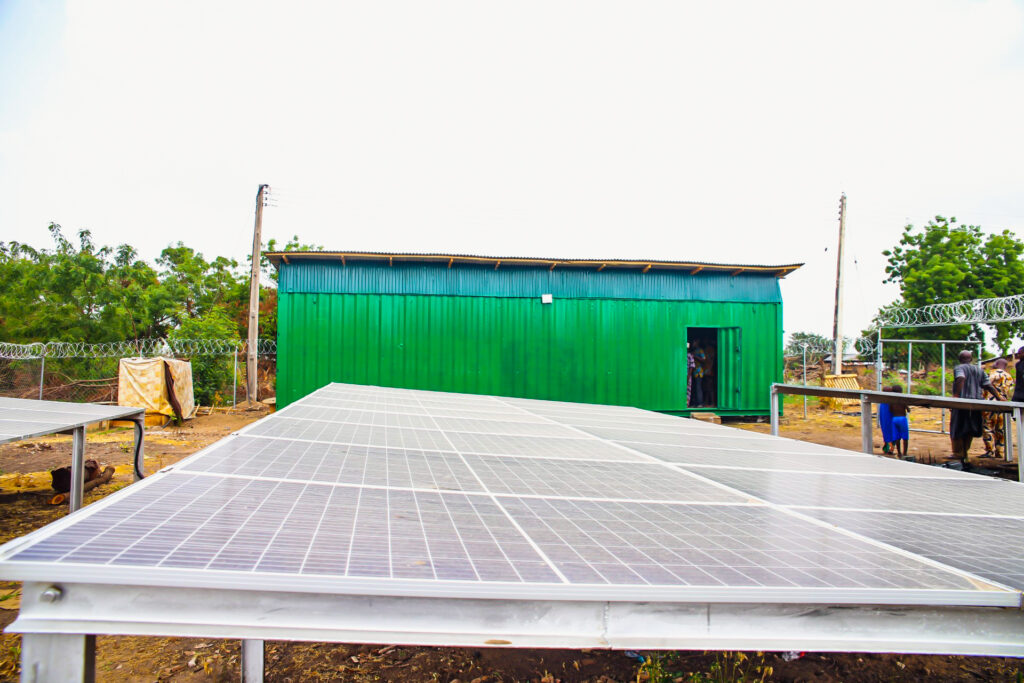
Across Nigeria, the Federal Government has increasingly positioned solar mini-grids as a way to stabilise power for public institutions, including universities and teaching hospitals,FG to kickstart solar project in new Oyo varsity.
- The National Universities Commission has reported a federal push tied to powering selected institutions with more reliable electricity using mini-grid systems.
- Separate reports in October 2025 said President Bola Tinubu approved a ₦70 billion TETFund mini-grid solar power project for 12 tertiary institutions (first batch), with implementation framed as tackling erratic power and enabling research and innovation.
- Earlier reporting also referenced proposed budget-backed solarisation for selected institutions, again linked to public-sector solarisation efforts.
So, when readers see “FG to kickstart solar project in new Oyo varsity,” the key question is whether FUNATO is being positioned for a full mini-grid under these national intervention cycles, or whether the current activity remains limited to smaller-scale infrastructure while the bigger project pipeline is awaited.
Why this matters for students, staff, and the host community
New universities typically struggle with three take-off realities: weak infrastructure, tight operating budgets, and unstable electricity. For a science-and-technology agriculture university, power reliability is not a luxury. Labs, ICT systems, water pumps, security lighting, and administrative operations all depend on it.
That’s why FG to kickstart solar project in new Oyo varsity is more than a feel-good headline. If scaled beyond streetlights into a campus mini-grid, it could:
- cut diesel costs and improve predictability for management
- support research facilities and digital learning
- boost security and night-time campus operations
- stimulate local businesses around the campus ecosystem through longer operating hours
And it aligns with what the power ministry has been publicly pushing ensure stronger renewable deployment and financing conversations around clean energy expansion.
https://ogelenews.ng/fg-kickstart-solar-project-new-oyo-varsity
What to watch next
If the Federal Government is truly moving from symbolic support to sustained energy infrastructure in FUNATO, these are the proof points to track:
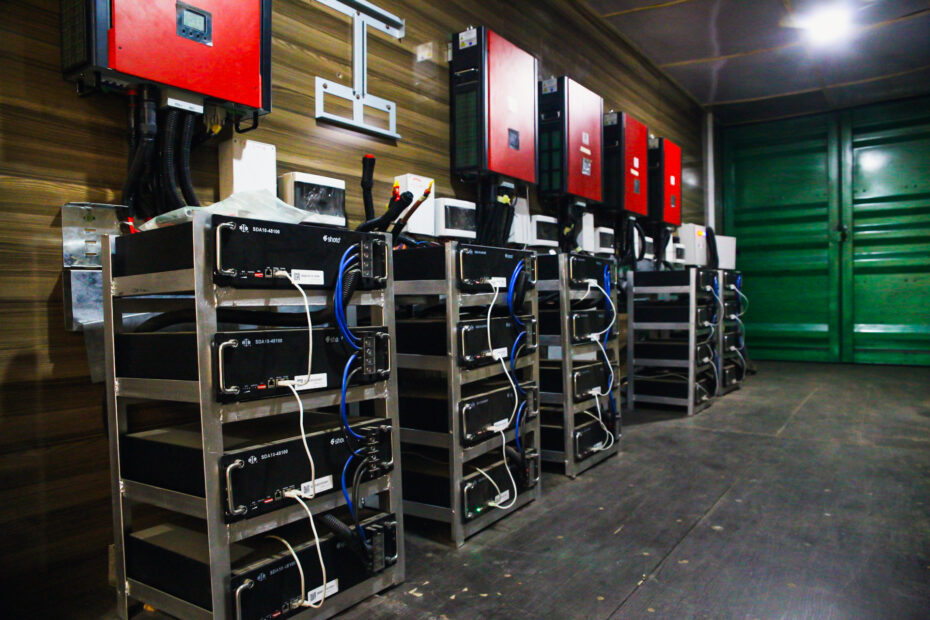
- A formal project scope: mini-grid capacity (MW or kW), whether hybrid (solar + storage + backup), and coverage (hostels, admin blocks, labs).
- Implementing agency: whether REA, TETFund, Ministry of Power-linked contractors, or a PPP model.
- Timeline and procurement: award date, mobilisation to site, commissioning milestones.
- Transparency and sustainability: operations and maintenance plan, metering, and governance structure.
Until those are clear, FG to kickstart solar project in new Oyo varsity should be treated as an early-stage development story, not a “problem solved” announcement.
Bottom line
For now, FUNATO appears to be receiving early solar support as it prepares for take-off, while the wider national momentum for powering tertiary institutions through mini-grid solar projects continues. Whether the new Oyo varsity becomes a full beneficiary of large-scale campus mini-grid funding will depend on project selection, implementation details, and follow-through.
Still, the signal is unmistakable: FG to kickstart solar project in new Oyo varsity is part of a growing federal playbook using renewables to stabilise power in public education infrastructure.