

















Flood Risk in Bayelsa and Delta Communities Raises Alarm
https://ogelenews.ng/flood-risk-bayelsa-delta-communities
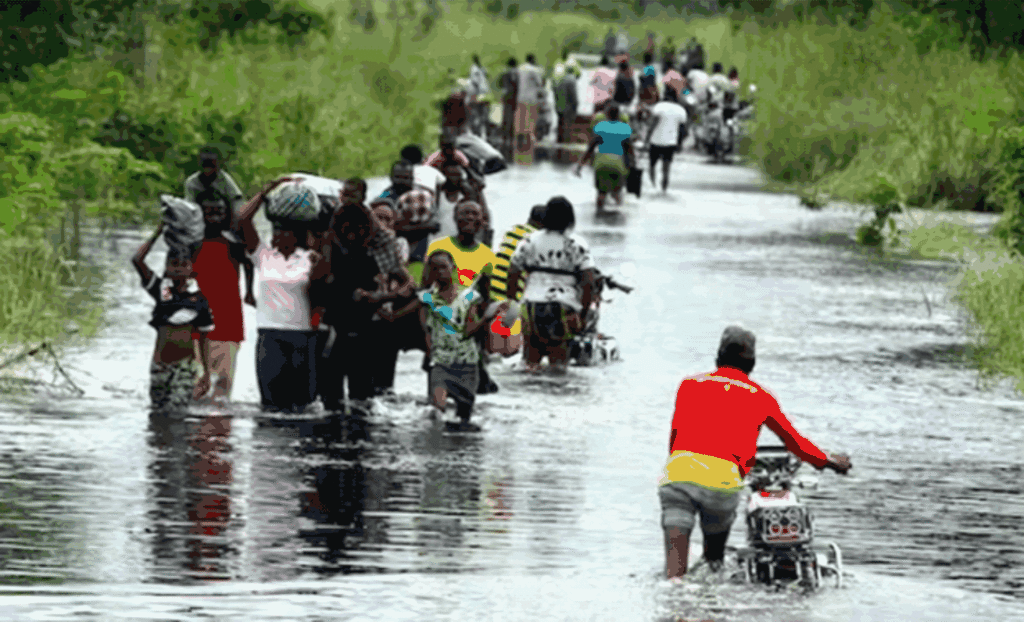
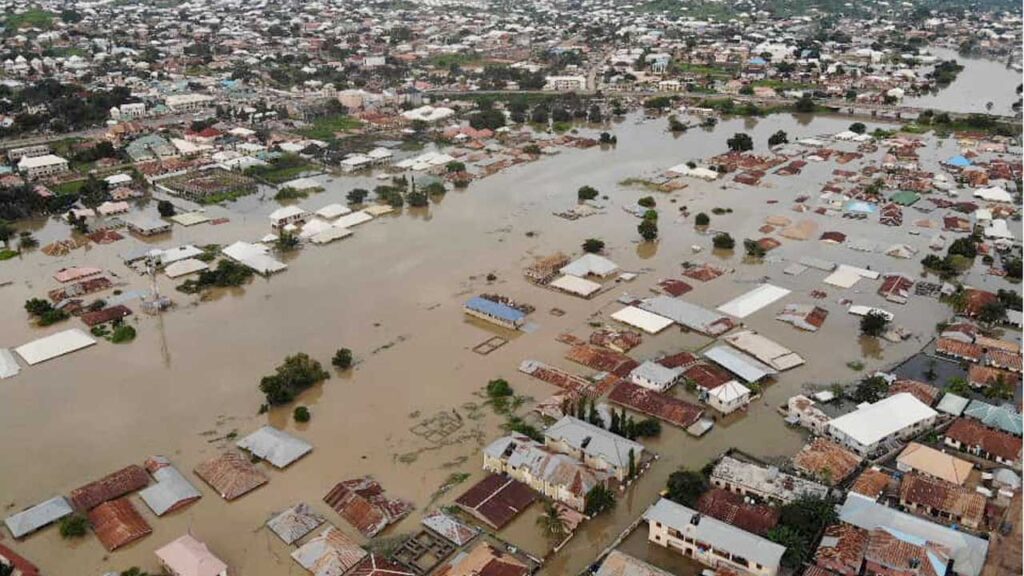
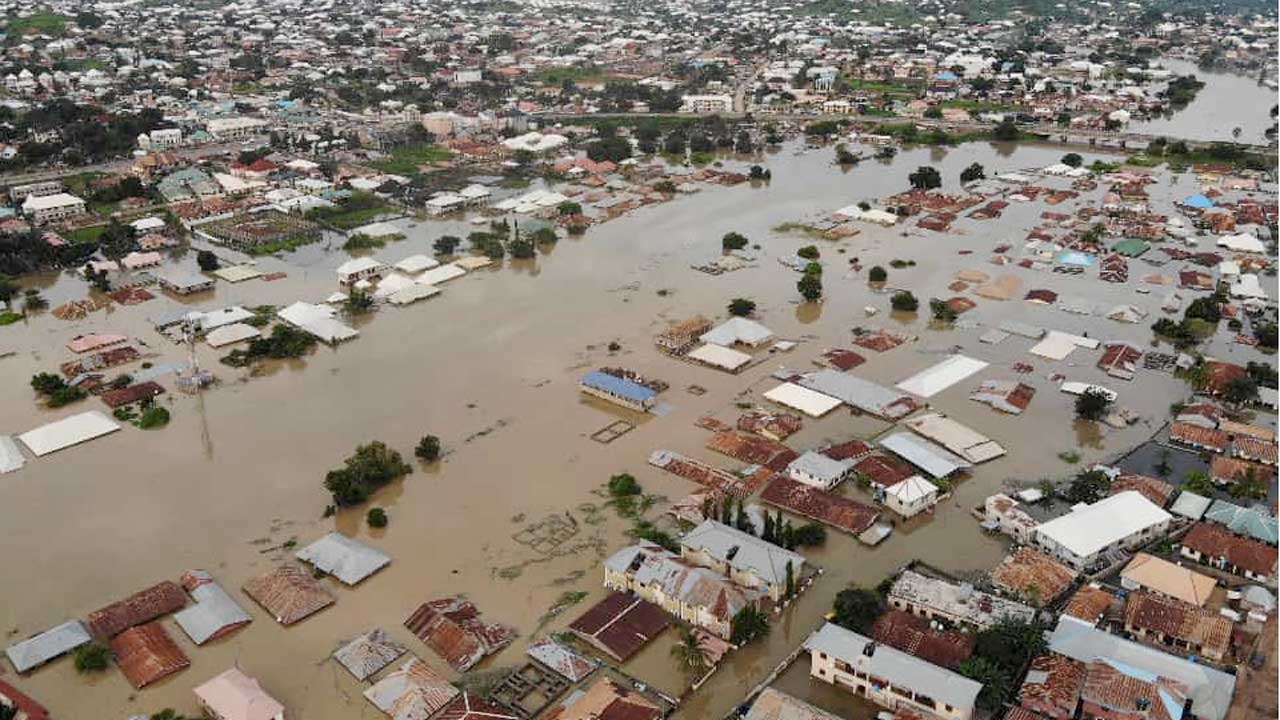
Flood risk in Bayelsa and Delta communities is once again rising as water levels along the Niger and Nun rivers continue to surge, triggering fresh anxiety among residents of low-lying settlements across the Niger Delta. From riverine villages to inland farming communities, the signs are familiar and worrying: swollen riverbanks, submerged farmlands, and early displacement of families who have lived through similar disasters in the past.
Local authorities in both Bayelsa and Delta states have begun issuing early warnings, urging vulnerable communities to prepare for possible flooding and, where necessary, relocate to safer grounds. The renewed alerts come amid reports of increased rainfall upstream and steady water release into major river channels feeding the Niger Delta basin.
Flood Risk in Bayelsa and Delta Communities Raises Alarm
Flood risk in Bayelsa and Delta communities is not a new phenomenon, but residents say the current indicators suggest the situation could worsen if preventive action is delayed. In communities along the Nun River in Bayelsa State, elders and community leaders report that water has already begun encroaching on homes built close to riverbanks.
In parts of Delta State, particularly riverine and agrarian settlements, residents say early flooding has destroyed crops, threatening food security and household income. Many farmers are now racing against time to harvest what they can before farmlands are completely submerged.
Environmental observers note that the combination of heavy rainfall, rising river levels, and poor drainage infrastructure has made flood risk in Bayelsa and Delta communities more severe in recent years.
Memories of Past Flood Disasters Still Fresh
For many residents, the rising flood risk in Bayelsa and Delta communities reopens painful memories of previous flood disasters that displaced thousands and wiped out livelihoods. The catastrophic floods of earlier years forced entire communities to flee, leaving behind submerged homes, damaged schools, and collapsed health facilities.
In Bayelsa, several riverine communities were cut off for weeks during past floods, relying on boats for basic movement and emergency aid. In Delta, similar floods crippled road networks and disrupted economic activity across multiple local government areas.
These memories are driving the current sense of urgency, as residents fear a repeat of large-scale displacement if flood risk in Bayelsa and Delta communities is not effectively managed.
Government Warnings and Preparedness Efforts
State emergency agencies in Bayelsa and Delta have stepped up monitoring and sensitisation efforts. Officials say flood risk in Bayelsa and Delta communities remains under close watch, with contingency plans being activated for possible evacuations.
Residents are being advised to:
• Avoid building or remaining in flood-prone zones
• Clear drainage channels around homes
• Prepare emergency supplies and documents
• Cooperate with relocation directives if issued
However, some community leaders argue that warnings alone are not enough. They are calling for temporary shelters, improved drainage systems, and faster deployment of relief materials to areas already affected.
Livelihoods and Oil-Producing Areas at Risk
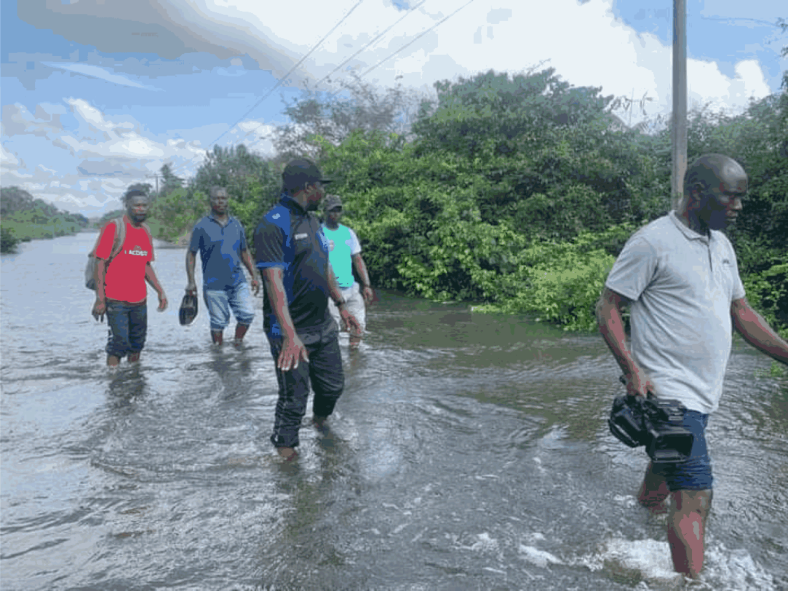
Beyond homes and farmlands, flood risk in Bayelsa and Delta communities also threatens critical infrastructure, including oil facilities, access roads, and local markets. The Niger Delta’s unique geography means flooding can quickly disrupt crude oil production and transportation, with broader implications for the national economy.
Fishing communities, a major economic backbone in both states, are also vulnerable. Rising floodwaters often contaminate freshwater sources, reduce fish stocks, and make navigation dangerous for local fishermen.
Traders in riverine markets say early flooding has already reduced customer turnout, compounding economic hardship in communities still recovering from inflation and high living costs.
Environmental Experts Warn of Long-Term Challenges
Environmental experts say flood risk in Bayelsa and Delta communities reflects deeper structural problems, including climate change, deforestation, and unchecked development along waterways. They warn that without long-term flood control measures, seasonal flooding could become more destructive.
Proposed solutions include:
• Strengthening shoreline protection projects
• Expanding floodplain management policies
• Enforcing environmental regulations
• Investing in early-warning and response systems
Experts stress that while flooding is partly natural in the Niger Delta, human activities have amplified its impact.
Communities Call for Action, Not Just Alerts
Across Bayelsa and Delta, residents are urging authorities to move beyond advisories and take visible action. Many argue that repeated flood risk in Bayelsa and Delta communities should have prompted stronger preventive infrastructure by now.
“We hear warnings every year,” one community leader said. “What we need are solutions that stop us from losing our homes each rainy season.”
As rainfall continues and river levels rise, attention remains firmly on how authorities will respond in the coming weeks. For thousands of residents, the difference between preparation and delay could determine whether this season ends in safety or another humanitarian crisis.
https://reliefweb.int/country/nga