
















fuel scarcity
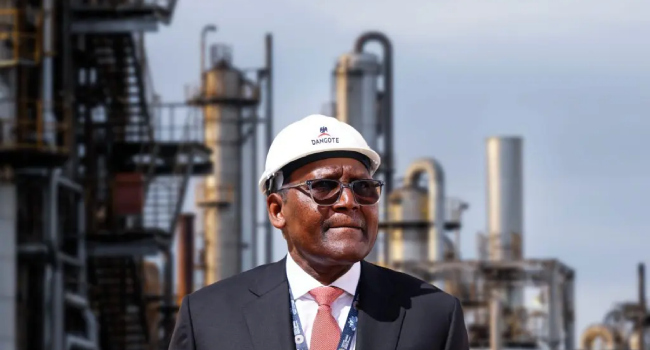
Nigerian motorists and businesses can now breathe a sigh of relief as the country’s long-standing fuel scarcity crisis appears to have finally ended, thanks to the operational success of the Dangote Petroleum Refinery. The $20 billion facility, located in Lekki, Lagos, has ramped up production to an impressive 50 million litres of Premium Motor Spirit (PMS) daily, marking a turning point in Nigeria’s energy sector.
Managing Director and Chief Executive Officer of Dangote Refinery, David Bird, announced the achievement during a media briefing in Lagos on Wednesday, emphasizing that Nigeria has transitioned from an era of fuel scarcity to one of abundance. The development comes as welcome news to millions of Nigerians who have endured decades of recurring fuel supply disruptions.
Production Capacity Meets National Demand
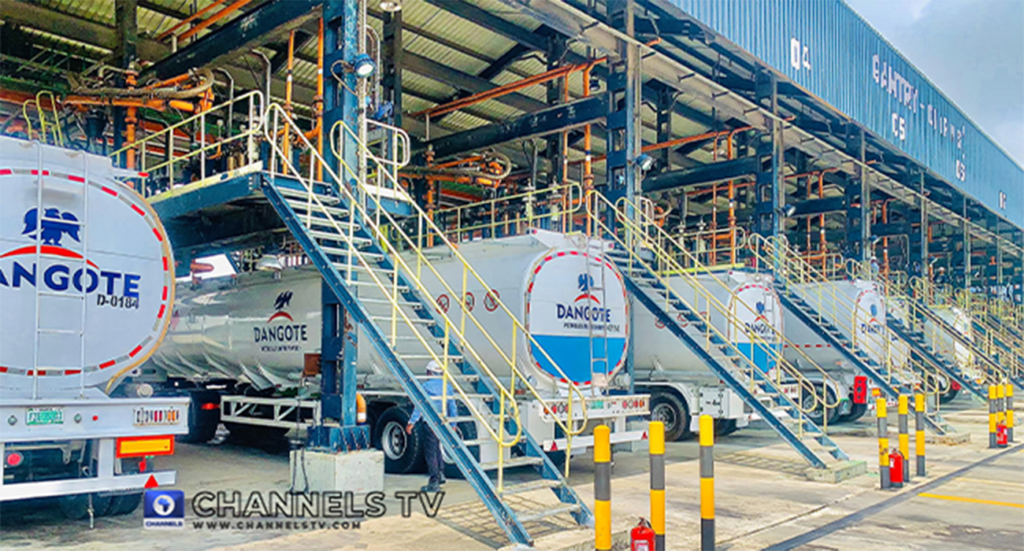
The Dangote Refinery’s ability to produce 50 million liters of petrol daily represents a game-changing development for Nigeria’s petroleum sector. Bird explained that the facility operates around the clock, with a 24-hour loading operation that dispatches over 1,000 trucks each day. This seamless production and distribution system has significantly improved fuel supply nationwide, eliminating the seasonal fuel scarcity that previously crippled major cities during festive periods.
The refinery’s success during the 2025 Christmas and New Year celebrations demonstrated its capacity to meet peak demand without the supply disruptions that Nigerians had grown accustomed to experiencing. Bird described this achievement as particularly significant, noting that the facility maintained consistent supply throughout a period that traditionally witnessed severe fuel scarcity across the country.
According to the Dangote Refinery CEO, off-take levels currently match production capacity, fluctuating between 50 million and 52 million litres per day depending on national demand. The refinery has built-in flexibility to export excess volumes if domestic consumption falls below production levels, ensuring that the facility operates at optimal capacity regardless of local market conditions.
End of Fuel Scarcity Era
For years, fuel scarcity has been a recurring nightmare for Nigerian consumers, businesses, and the broader economy. Long queues at filling stations became a familiar sight in Abuja, Lagos, and other major cities, with motorists sometimes spending entire days waiting to purchase petrol. The crisis typically worsened during public holidays, forcing many Nigerians to resort to black market purchases at exorbitant prices.
The fuel scarcity problem stemmed from Nigeria’s paradoxical position as Africa’s largest oil producer without functional refineries to process crude oil into finished products. Despite producing approximately 1.5 million barrels of crude oil daily, Nigeria depended entirely on imported refined petroleum products for domestic consumption. This dependence exposed the country to supply chain disruptions, Forex challenges, and the inefficiencies of the Nigerian National Petroleum Company Limited (NNPC) as the sole importer.
Bird’s announcement that fuel scarcity has ended represents more than just improved supply levels. It signals a fundamental shift in Nigeria’s energy security architecture, moving the country away from import dependency toward self-sufficiency in petroleum product refining.
World-Class Fuel Quality
Beyond addressing supply shortages, Dangote Refinery has introduced a quality revolution in Nigeria’s petroleum market. The facility produces fuels meeting Euro V specifications, the same standards used in European markets. This represents a dramatic improvement from the substandard imported products that previously dominated the Nigerian market.
Bird criticized the historical practice of dumping inferior fuel products in West Africa, describing Dangote Refinery’s output as a major public health improvement. The Euro V specification fuels contain significantly lower sulfur content and burn cleaner, reducing air pollution and associated health risks for Nigerian consumers.
The refinery’s commitment to quality extends to its export markets. Dangote Refinery exports gasoline to Europe and jet fuel to markets including Dubai, demonstrating that its products meet the most stringent international standards. This export capability also provides the facility with additional revenue streams and flexibility to balance domestic supply with international market opportunities.
Infrastructure and Distribution Network
The success in ending fuel scarcity required more than just production capacity. Dangote Refinery has invested heavily in distribution infrastructure to ensure that products reach consumers efficiently. Approximately 4,000 trucks currently operate on-site, creating one of Africa’s largest petroleum product distribution networks.
The facility is implementing a computerized security system as the final step before full rollout of its distribution network. This system will ensure customers receive exact volumes they purchase, addressing longstanding concerns about measurement fraud that plagued Nigeria’s petroleum retail sector.
The 24-hour loading operation enables continuous truck movement, preventing the bottlenecks that previously created artificial scarcity even when products were available. This operational efficiency has been crucial in maintaining steady supply to filling stations across the country.
Price Stability Assurance
Beyond ending fuel scarcity, Dangote Refinery has provided assurances of price stability for Nigerian consumers. Bird confirmed that the refinery continues engaging with NNPC Limited and government authorities to improve crude oil allocations and volumes under the naira-for-crude arrangement.
This programme, which allows the refinery to purchase crude oil in naira rather than dollars, has contributed significantly to stabilizing Nigeria’s currency. The elimination of dollar demand for crude oil purchases has reduced pressure on the naira, potentially creating a foundation for more stable fuel prices going forward.
The price stability commitment comes at a crucial time for Nigerian consumers. Throughout 2024, fuel prices fluctuated wildly, reaching as high as N1,000 per litre in some locations while NNPC stations sold at subsidized rates around N617 per liter. The inconsistency created market distortions and economic hardship for ordinary Nigerians.
With Dangote Refinery now supplying significant volumes to the domestic market, competition and improved supply should help stabilize prices across the retail network.
https://ogelenews.ng/fuel-scarcity-ends
Expansion Plans and Future Capacity
Looking ahead, Dangote Refinery has ambitious expansion plans that could further cement Nigeria’s energy security. Bird revealed plans for a major expansion to 1.4 million barrels per day capacity within three years, using a “roofless replication” strategy that will duplicate the existing plant design.
This expansion approach avoids the detailed engineering work required for building an entirely new facility, thereby reducing both costs and construction time. Bird noted that steel structures for the expansion are expected to begin rising before the end of 2026, with the project designed to avoid the delays and cost overruns common in large energy projects.
The expansion will include significant petrochemical production capacity, particularly polypropylene. The existing polypropylene plant has a capacity of 800,000 tonnes, with planned additions eventually lifting total capacity to 2.4 million tonnes. These petrochemical investments will diversify Nigeria’s industrial base beyond petroleum products.
Stock Market Listing Plans
In a move that could democratize ownership of Nigeria’s largest industrial asset, Bird confirmed that preparations are underway to list a portion of Dangote Refinery on the Nigerian Stock Exchange. This listing will enable ordinary Nigerians to participate directly in ownership of the facility that has transformed the country’s energy landscape.
The planned listing represents a significant opportunity for Nigerian investors to own shares in what Bird described as a “continent-building investment.” The refinery’s proven operational success and strategic importance to Nigeria’s economy should make it an attractive investment opportunity when listing occurs.
Economic Impact
The end of fuel scarcity carries profound implications for Nigeria’s economy. Fuel availability directly impacts transportation costs, which in turn affect prices for virtually all goods and services. The recurring fuel crises of recent years contributed significantly to inflation, which reached multi-decade highs in 2024.
With stable fuel supply now established, businesses can plan more effectively, transportation costs should stabilize, and inflationary pressures from energy sector disruptions should diminish. The refinery’s operation also creates thousands of direct and indirect jobs while generating substantial tax revenues for government.
Bird emphasized the transformative potential of the Lekki facility, describing it as having the capacity to become a world-scale industrial hub. The combination of refining capacity, petrochemical production, and supporting infrastructure could attract additional investments and create an industrial cluster that drives economic development for Lagos and Nigeria.
The successful resolution of Nigeria’s fuel scarcity crisis through domestic refining capacity demonstrates the potential for strategic industrial investments to solve longstanding national challenges. As Dangote Refinery continues ramping up production and implementing expansion plans, Nigeria appears poised to finally achieve energy security in petroleum products after decades of import dependency and supply disruptions.