















G7 to discuss releasing strategic oil reserves
Finance ministers of the Group of Seven (G7) nations are expected to discuss the possibility of releasing strategic oil reserves as global energy markets reel from a sharp surge in crude prices triggered by escalating geopolitical tensions in the Middle East.
A French government official confirmed that the proposal will be one of the key issues on the agenda during a meeting of G7 finance ministers, as governments scramble to contain the economic fallout of rising fuel costs.
The move reflects mounting concerns among the world’s leading industrial economies that disruptions to oil supply could destabilize markets, accelerate inflation and threaten global economic recovery.
Oil Prices Surge Amid Middle East Crisis
The decision to convene urgent discussions among G7 finance ministers comes as oil prices climbed dramatically following the escalation of conflict involving Iran and Western powers.
Global benchmark Brent crude surged above $100 per barrel for the first time in years, with some intraday spikes pushing prices close to $120 as markets reacted to fears of supply disruptions.
Energy analysts say the conflict has heightened fears over the security of shipping routes through the Strait of Hormuz, one of the world’s most critical oil transit corridors.
Any disruption to that route could choke off a significant portion of global oil supply, triggering further price spikes and increasing pressure on governments already struggling with inflation.
The possibility that the G7 may release strategic oil reserves is therefore being viewed as an emergency tool to calm markets and reassure investors, G7 to discuss releasing strategic oil reserves.
What Strategic Oil Reserves Mean
Strategic oil reserves are large stockpiles of crude oil maintained by governments as a buffer against major supply shocks.
These reserves are often coordinated through the International Energy Agency (IEA), which oversees emergency oil-sharing mechanisms among member countries.
Historically, coordinated releases from strategic reserves have been rare and are usually triggered by severe disruptions to global energy supply, such as wars, natural disasters or geopolitical crises.
Analysts note that the G7 nations together control a significant portion of global emergency reserves.
A coordinated release could involve 300 million to 400 million barrels, according to reports, which would represent a substantial intervention in global energy markets, G7 to discuss releasing strategic oil reserves.
https://ogelenews.ng/g7-discuss-releasing-strategic-oil-reserves
G7 Finance Ministers Step In
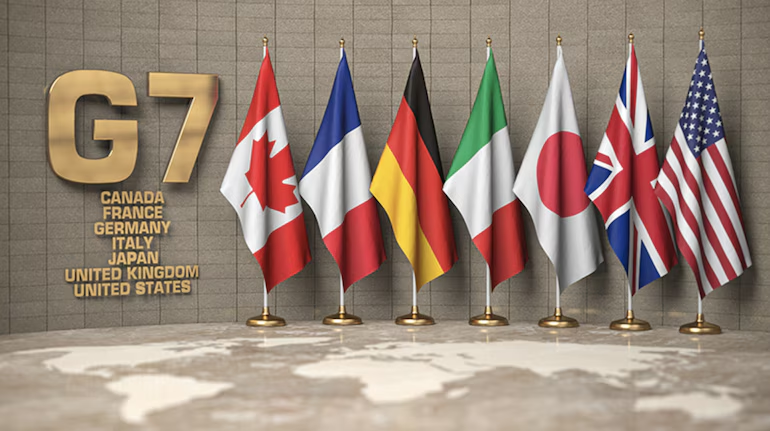
The G7, which comprises the United States, Canada, France, Germany, Italy, Japan and the United Kingdom, plays a major role in shaping global economic policy.
French officials said finance ministers from the bloc will meet to assess how the Middle East crisis is affecting financial markets and global energy supplies.
The meeting will also include discussions with energy authorities and the International Energy Agency on possible coordinated responses.
Three G7 countries have already signaled support for the idea of releasing reserves if market volatility continues.
Officials say the objective of the talks is to prevent energy shocks from triggering broader economic instability, G7 to discuss releasing strategic oil reserves.
Markets React to Reserve Release Reports
Financial markets reacted quickly to reports that the G7 may intervene in oil markets.
Oil prices briefly retreated from their peak after news emerged that governments were considering tapping strategic reserves.
Energy economists say such interventions can help stabilize markets by increasing short-term supply and signaling that governments are prepared to act against extreme price spikes.
However, they also caution that reserve releases provide only temporary relief and cannot solve underlying supply shortages.
Inflation and Economic Risks
The sudden rise in oil prices has raised concerns among policymakers about renewed inflationary pressures across major economies.
Higher fuel prices typically translate into increased transportation costs, rising food prices and broader economic strain.
Several governments have already begun exploring emergency measures to cushion consumers from rising energy costs.
Experts warn that if oil prices remain elevated for an extended period, global economic growth could slow significantly, G7 to discuss releasing strategic oil reserves.
A Critical Moment for Global Energy Markets
The discussions among G7 finance ministers highlight the fragile state of global energy markets.
With geopolitical tensions rising and supply disruptions threatening key oil routes, governments are facing difficult choices about how best to stabilize markets while protecting their domestic economies.
Whether the G7 ultimately decides to release strategic oil reserves remains uncertain.
But the fact that the option is being seriously considered underscores the scale of concern among the world’s most powerful economies.
For now, investors, policymakers and consumers alike will be watching closely as the G7 deliberates on whether to deploy one of the most powerful tools available to calm global energy markets, G7 to discuss releasing strategic oil reserves.