

















Heavy security at Onitsha market
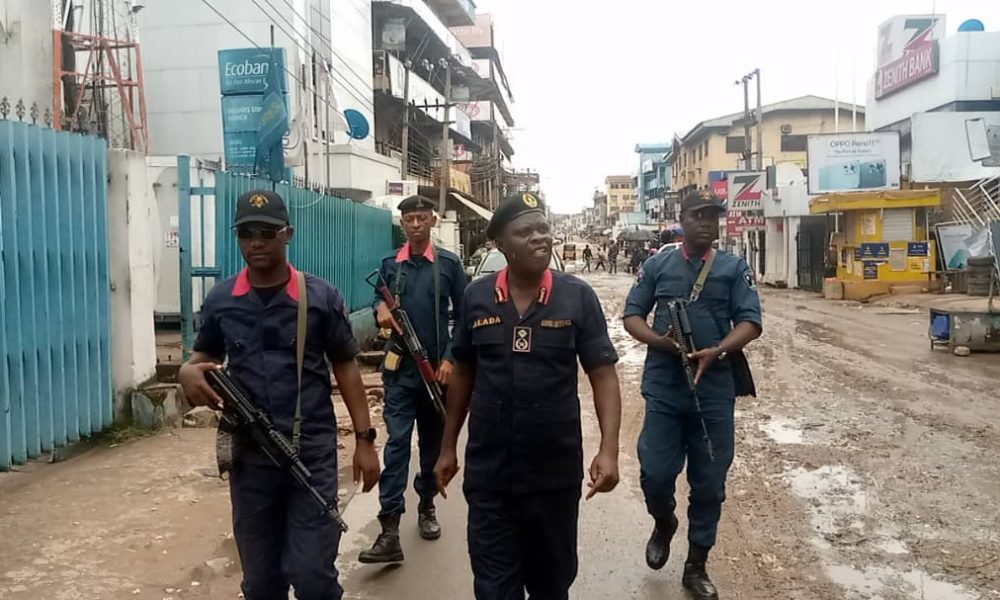
Heavy security presence was deployed across major sections of Onitsha Main Market on Monday as the Nigeria Police Force moved to enforce a temporary market closure and prevent a breakdown of law and order. The operation followed rising tensions linked to sit-at-home directives, threats of violence, and fears of unrest in the commercial hub of Anambra State.
The police said the decision to enforce the closure with visible security was taken to protect lives, secure property, and reassure traders and residents amid growing anxiety over compliance enforcement by non-state actors.
According to police authorities, the operation was not punitive but preventive, aimed at ensuring that criminal elements do not exploit the situation to carry out attacks, looting, or intimidation of traders.
Police Explain Reason for Heavy Security at Onitsha Market
The Anambra State Police Command confirmed that officers were deployed early in the day to strategic points around Onitsha market, adjoining roads, and entry routes into the commercial area. Armed patrols, surveillance teams, and crowd-control units were stationed to deter violence and enforce the closure directive.
A senior police officer, who spoke on condition of anonymity, said the heavy security at Onitsha market was necessary because intelligence reports indicated the possibility of unrest if the closure was not properly managed.
“Our responsibility is to maintain peace. The heavy security at Onitsha market is to prevent criminals from hijacking the situation, not to harass traders,” the officer said.
The police stressed that the enforcement was carried out professionally, with instructions to avoid confrontation and use dialogue where necessary.
Background: Why Onitsha Market Was Shut
Onitsha Main Market, one of West Africa’s largest trading centres, has repeatedly been affected by sit-at-home orders and related security concerns. While some closures are announced by state authorities, others stem from fear among traders following threats or previous attacks linked to non-compliance.
In recent weeks, traders have expressed concern over conflicting directives, with some insisting on opening their shops while others stay away out of fear. This uncertainty, police say, increases the risk of clashes, extortion, or mob violence.
The heavy security at Onitsha market was therefore introduced to create a controlled environment during the closure period and prevent forced compliance or reprisals.
Traders React to Security Deployment
Reactions among traders were mixed. Some welcomed the police presence, saying it provided a sense of safety and prevented hoodlums from exploiting the situation. Others expressed frustration over repeated market shutdowns, which they say are crippling livelihoods.
A trader who sells electronics near the Main Market gate said:
“We are tired. Every closure means losses. But the heavy security at Onitsha market at least stopped boys from moving around to threaten people.”
Another trader noted that without security presence, criminal gangs often extort traders under the guise of enforcing sit-at-home orders.
https://ogelenews.ng/heavy-security-onitsha-market-closing
Maintaining Order in a Sensitive Commercial Hub
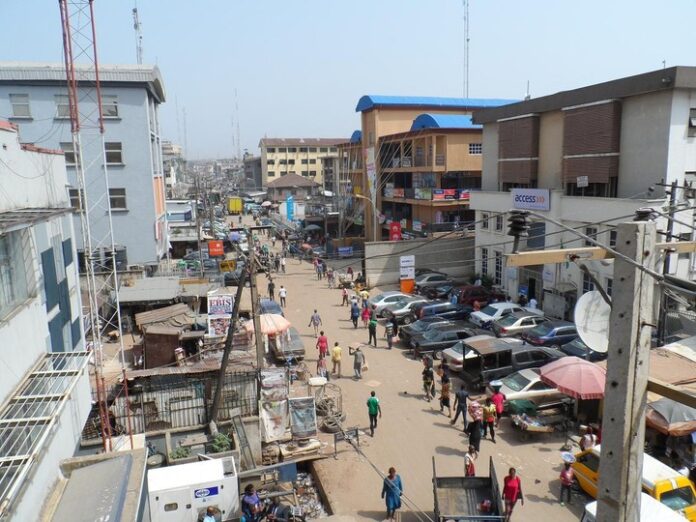
Security analysts say Onitsha’s economic importance makes it a flashpoint whenever tensions rise in the South-East. Any disruption quickly affects supply chains, transporters, and traders across Nigeria.
The police said maintaining order in such a location requires proactive measures, especially when intelligence suggests possible violence. The heavy security at Onitsha market was described as a short-term measure tied to risk assessment rather than a permanent militarisation.
Officials also confirmed that plainclothes officers were deployed to monitor suspicious movements and prevent sabotage or arson.
Police Warning to Criminal Elements
The Anambra State Police Command issued a stern warning to criminal groups and individuals attempting to exploit the situation.
In a statement, the command said anyone found engaging in violence, intimidation, or destruction of property would be arrested and prosecuted.
“We will not tolerate lawlessness. The heavy security at Onitsha market is to ensure that peace is maintained and that residents can go about their lives without fear,” the statement read.
The police also urged residents to report suspicious activity through emergency lines and assured the public that their safety remains a priority.
Broader Security Context in Anambra
Anambra State has experienced intermittent security challenges in recent years, including attacks on public facilities and enforcement of illegal sit-at-home orders. While authorities say the situation has improved, periodic tensions continue to affect commercial activities.
The state government has repeatedly emphasised that no individual or group has the authority to shut markets or disrupt economic life outside lawful directives.
Security experts argue that sustained policing, intelligence gathering, and community engagement are essential to preventing repeated disruptions.
Economic Impact of Market Closures
Economists warn that repeated closures of Onitsha Main Market have far-reaching consequences. As a major distribution centre, disruptions affect prices, availability of goods, and income for thousands of families.
The heavy security at Onitsha market highlights the delicate balance between security enforcement and economic survival. While safety is critical, prolonged shutdowns risk deepening hardship.
What Happens Next
Police said the security deployment will be reviewed daily based on developments and intelligence. Normal market activities are expected to resume once authorities are satisfied that risks have been minimised.
Traders have been urged to remain calm, follow official communication, and avoid spreading unverified information that could escalate tensions.
For now, the heavy security at Onitsha market remains a visible reminder of the ongoing effort to restore confidence, protect commerce, and prevent violence in one of Nigeria’s most important trading hubs.