
















ICPC investigates Tinubu’s former minister Nnaji over alleged certificate forgery
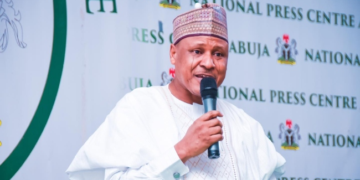
The Independent Corrupt Practices and Other Related Offences Commission (ICPC) has launched a formal investigation into former Minister of Innovation, Science and Technology Uche Nnaji over allegations that he presented forged academic and National Youth Service Corps (NYSC) certificates in order to qualify for his appointment to Nigeria’s Federal Executive Council in 2023. The probe comes months after premium investigations by major news outlets raised serious questions about the authenticity of the documents Nnaji submitted to various government bodies during his ministerial screening.
According to reports, the anti-graft agency is examining records from both the University of Nigeria, Nsukka (UNN) and the NYSC which authorities allege do not support the certificates Nnaji presented during his vetting. The ICPC’s intervention follows revelations that the university had no official record of Nnaji’s graduation in the year and academic programme claimed on his certificate, and that the NYSC discharge document he submitted was inconsistent with official serials and signatures on file. 
The investigation reflects an intensified effort by Nigeria’s foremost anti-corruption agency to hold public figures to account and ensure that individuals who occupy sensitive government positions meet legal and ethical requirements. The inquiry is ongoing, and ICPC officials have formally written to relevant institutions, including the UNN and the National Assembly, for clarification and verification of the documents involved. 
Background: Nnaji’s Appointment and Allegations
Uche Nnaji was appointed as Minister of Innovation, Science and Technology by President Bola Ahmed Tinubu and confirmed by the Nigerian Senate in 2023. At the time of his appointment, Nnaji presented a Bachelor of Science degree purportedly from the University of Nigeria, Nsukka, and a valid NYSC discharge certificate — both of which are mandatory credentials for such an appointment under Nigerian law. 
However, subsequent investigations published by reputable news organisations revealed that the ICPC investigates Tinubu’s former minister Nnaji over alleged certificate forgery, with the university later clarifying that Nnaji was admitted as a student decades earlier but did not complete his course of study nor was awarded the degree he claimed. The NYSC certificate has likewise been cast into doubt, with authorities reportedly unable to verify its authenticity. 
The documented discrepancy triggered public outcry and intense national debate about accountability, integrity and the credibility of credentials submitted by political appointees. This culminated in Nnaji’s resignation from office in October 2025, a move seen by many as a recognition of the seriousness of the allegations and a step toward allowing institutions to conduct scrutiny without the distraction of ministerial duties. 
https://ogelenews.ng/icpc-investigates-tnb-former-minister-nnaji-certifi…
What the ICPC Probe Entails
The ICPC’s investigation into former minister Nnaji focuses squarely on the allegation that he knowingly presented false documents — a criminal offence under Nigeria’s criminal and anti-corruption laws. The commission is said to be liaising with both the university and NYSC authorities to obtain original records, and is also expected to interview registrars and staff involved in the release of academic and service certificates.
ICPC investigators have reportedly written to the Secretary to the Government of the Federation (SGF) and the Nigerian Senate requesting certified copies of the documents Nnaji submitted during his confirmation process. Sources familiar with the probe say verifying the provenance and authenticity of those certificates is central to determining whether forgery offences occurred. 
Officials at the ICPC have not publicly commented on the probe, citing ongoing procedures and confidentiality, but informed sources say the agency takes the matter seriously in light of broader concerns about document integrity among public office holders.
Legal and Political Implications
If the ICPC concludes its investigation and finds substantive evidence that the ICPC investigates Tinubu’s former minister Nnaji over alleged certificate forgery, the former minister could face prosecution for forgery, perjury and related offences. Under Nigerian law, forging a document to obtain public office — or using forged credentials to secure such a position — carries significant penalties and can include fines, imprisonment, and a bar from holding future public office.
Legal experts note that allegations of certificate forgery not only raise questions about an individual’s fitness for office, but also expose weaknesses in institutional vetting processes. “When a senior public official can present questionable credentials and serve for years before comprehensive verification, it exposes systemic gaps,” a legal analyst said. 
Political observers also argue that the Nnaji scandal, and the subsequent ICPC investigation, could have lasting implications for public confidence in the nomination and confirmation process of federal appointees. The case comes amid heightened public awareness around integrity and ethical leadership, particularly as the country prepares for general elections in 2027.
Responses and Reactions
Public reactions to the investigation have been mixed. Critics of the former minister have called for a swift and transparent probe, arguing that no public official should be above the law. Civil society organisations previously petitioned government authorities to revisit the matter and pursue accountability. 
Supporters of Nnaji, including some political allies, have at times dismissed parts of the allegations as politically motivated and emphasized that due process must be followed. In previous controversies over the certificates, aides defended the former minister’s claims and questioned the motives behind the escalating scrutiny. 
Despite these differing views, the ICPC investigates Tinubu’s former minister Nnaji over alleged certificate forgery remains a focal point of national discourse on public service integrity. The outcome of the ongoing probe — and any legal actions that may follow — will likely influence how similar allegations are handled in future appointment processes.
Broader Context: Integrity and Public Office
The investigation also underscores broader concerns about integrity among political elites in Nigeria. Historically, several high-profile public figures have faced allegations of presenting false credentials, prompting debate about the effectiveness of vetting systems and institutional checks. The high stakes involved in this case have stirred discussions about strengthening verification mechanisms and ensuring that appointees meet both legal and ethical standards required of public office holders.
The ICPC’s involvement — and its thorough pursuit of the truth — is viewed by many as an affirmation of the commission’s mandate to investigate corruption and related offences in public life. Whether this investigation ends in prosecution or dismissal, it has already contributed to a larger national conversation about accountability, ethical leadership, and the rule of law in Nigeria.
As the inquiry continues, Nigerians and observers will be watching closely, mindful that how this case is resolved could set precedents for similar allegations in the years ahead.

ICPC investigates Tinubu’s former minister Nnaji over alleged certificate forgery