














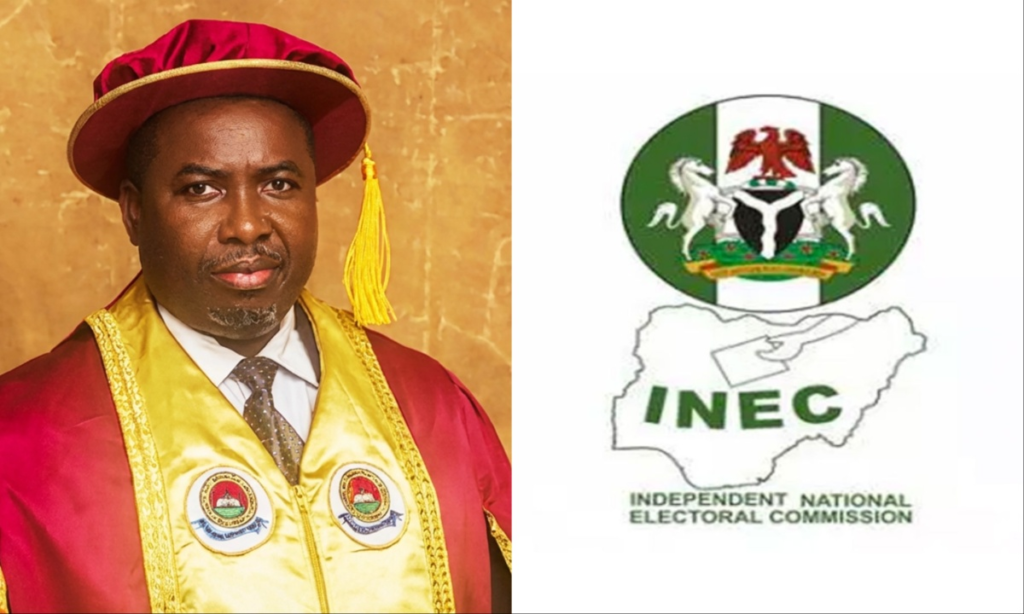
INEC assures Nigerians of readiness for 2027 polls
The Independent National Electoral Commission (INEC) has formally assured Nigerians and international stakeholders that it is ready and actively preparing for the 2027 general elections, even as legal and administrative hurdles persist ahead of the vote scheduled to take place next year. 
INEC’s affirmation of its preparedness comes at a time of heightened public scrutiny over electoral law reform, legislative delays, and expectations that the next general elections must be credible, inclusive, and transparent. The assurance reflects months of internal planning, voter registration mobilisation, and institutional reform aimed at strengthening Nigeria’s democratic processes. 
What INEC Has Said About 2027 Preparedness
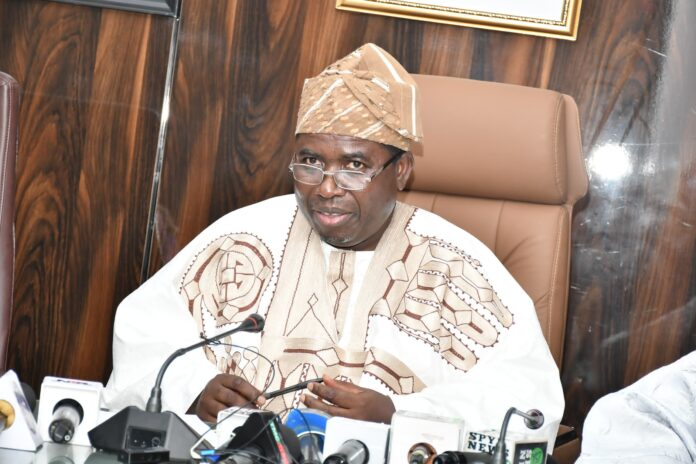
At a quarterly consultative meeting with civil society organisations (CSOs) in Abuja, the Chairman of INEC, Professor Joash Amupitan (SAN), stated that the commission has “finalised its election timetable and schedule of activities in line with existing legal provisions” for the 2027 general elections. 
Amupitan’s remarks came amid questions about the delay in the passage of an amended Electoral Act by the National Assembly — a legal instrument that many think could provide a more updated and robust framework for the conduct of elections. Although parts of the Electoral Act amendment are still under review by lawmakers, INEC confirmed that it will proceed with election planning within the framework of the existing law. 
The commission has also begun distribution of Permanent Voter Cards (PVCs) and is conducting mock accreditation exercises using the Bimodal Voter Accreditation System (BVAS) and the IReV portal for results upload — all part of building capacity and integrity in the electoral process. 
Why INEC’s Assurance Matters
INEC’s public assurance of readiness for the 2027 polls isn’t just routine administrative talk. It is a response to several pressures:
- Legal Framework Tension
The Electoral Act amendment — meant to update rules governing elections — has been delayed in the National Assembly, prompting questions about the legal footing for election timetables and procedures. INEC has stated it must work within existing law until any new act is formally enacted. - Public Confidence and Credibility
With polarized politics and rising public expectations, INEC’s assurance is partly aimed at reinforcing confidence in the electoral umpire. The commission has emphasised collaboration with civil society to promote peace, discourage misinformation, and uphold electoral integrity. - Technical and Operational Preparedness
INEC has started key logistical activities, including training ad hoc staff, preparing and configuring BVAS devices for voter accreditation, accrediting observer groups, and fine-tuning its internal election timetable. These steps signal tangible internal progress even as external legal frameworks catch up.
Timeline and Ongoing Activities
INEC has finalised a broad election timetable that includes preparations for the 2026 FCT Area Council elections and a planned nationwide voter revalidation exercise ahead of the 2027 polls. The commission’s current operational framework includes: 
• Distribution of Permanent Voter Cards, especially in key states and the Federal Capital Territory.
• Recruitment and training of election staff and support personnel.
• Configuration of BVAS devices and integration with the INEC Results Viewing (IReV) portal.
• Accreditation of domestic and international observer groups.
• Mock accreditation and other dry-runs in multiple polling units.
• Preparation of logistics and sensitive material delivery plans for voting days. 
These efforts suggest an ongoing commitment to operational readiness ahead of next year’s election cycle
https://ogelenews.ng/inec-assures-nigerians-readiness-2027-polls
Legal and Institutional Challenges Ahead
Despite INEC’s assurances, some analysts argue that delayed legal reform — especially the Electoral Act — could complicate the 2027 election framework. The Policy and Legal Advocacy Centre (PLAC) has warned that continued postponement of the amendment poses risks to legal certainty, public trust, and the commission’s ability to act with full authority under the law. 
The National Assembly is under pressure to conclude the Electoral Act amendment before the notice of election must be issued — a requirement under current law that mandates INEC must publish this notice not later than 360 days before the election. Failure to meet this deadline within a firm legal framework could lead to confusion or legal challenges. 
Public Confidence and Civil Society Engagement
INEC’s consultative meeting with civil society groups underscores the role of public engagement in election readiness. Amupitan urged CSOs to: 
• Mobilise citizens, especially in the FCT, to collect PVCs.
• Monitor political parties during campaigns and ensure compliance with electoral law.
• Educate voters against misinformation, hate speech, and vote buying.
• Promote peaceful participation and lawful conduct throughout the election cycle.
This inclusive approach is designed to strengthen not only procedural readiness but also societal confidence in the democratic process. 
Tech and Innovation in the 2027 Electoral Landscape
Under Amupitan’s leadership, INEC has also signalled a shift toward a more tech-driven election process. The commission’s use of BVAS for accreditation and the IReV system for results transmission are examples of technology deployment aimed at improving transparency, accuracy, and timeliness of election results.
Earlier statements from INEC have stressed that such technological integration — if properly managed — can reduce allegations of manipulation and increase voter trust in the system. 
Criticism, Skepticism, and Broader Debate
Despite the positive messaging from INEC, not all stakeholders are uniformly confident about the forthcoming elections. Some political voices argue that the current government may not be fully committed to ensuring a fair and free electoral environment, a claim that INEC’s assurances seek to counter. 
Moreover, debates continue over broader electoral reform, including proposals for holding all elections in a single day, inclusion of new voting technologies, and clear legal frameworks for digital and social media use during campaigns. These issues highlight the complexity of preparing for Nigeria’s next national election cycle. 
The Stakes for Nigeria’s Democracy
The 2027 elections will be one of the most consequential in Nigeria’s democratic history, covering:
• Presidential and vice-presidential elections.
• National Assembly (Senate and House of Representatives).
• Governorship and state assemblies across all 36 states and the FCT. 
INEC’s readiness, therefore, is not just about logistic planning — it is about ensuring credibility, fairness, and broad participation in a contest that will shape Nigeria’s political landscape for years to come.
The Bottom Line
INEC’s public assurance of preparedness for the 2027 polls is a significant signal that the commission is moving ahead with practical steps even as legislative delays pose legal uncertainties. Its focus on technology, voter mobilisation, civic engagement, and timetable finalisation reflects a comprehensive approach to election planning. Whether these efforts translate into a widely accepted, credible election will depend not only on administrative execution but on how well legal, political, and civic actors work together in the coming months.
https://punchng.com/inec-assures-nigerians-of-readiness-for-2027-polls
INEC assures Nigerians of readiness for 2027 polls