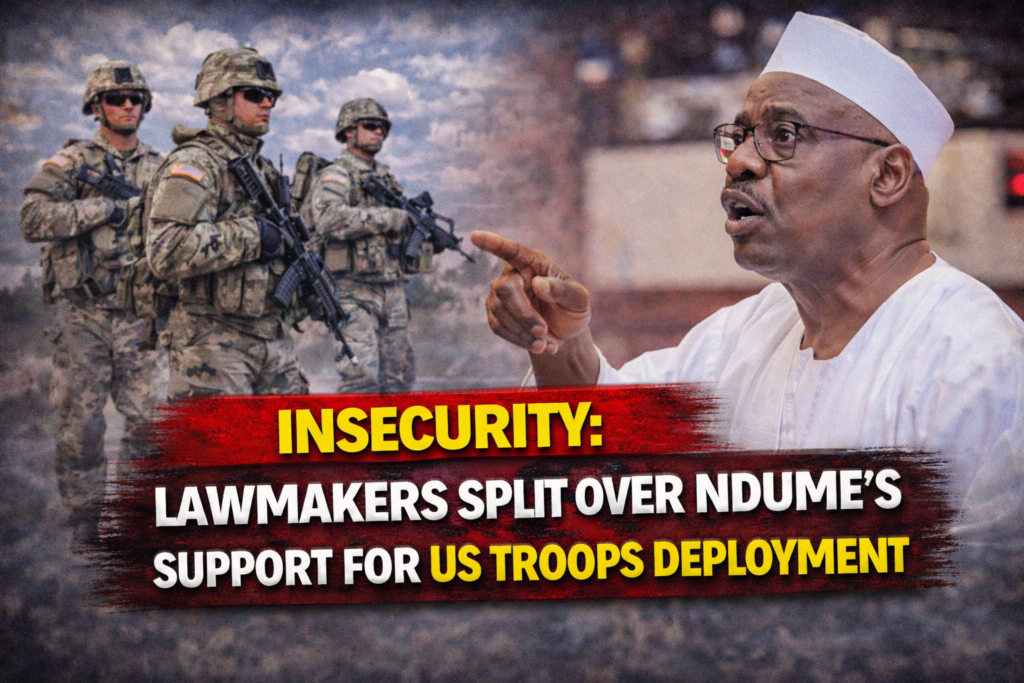













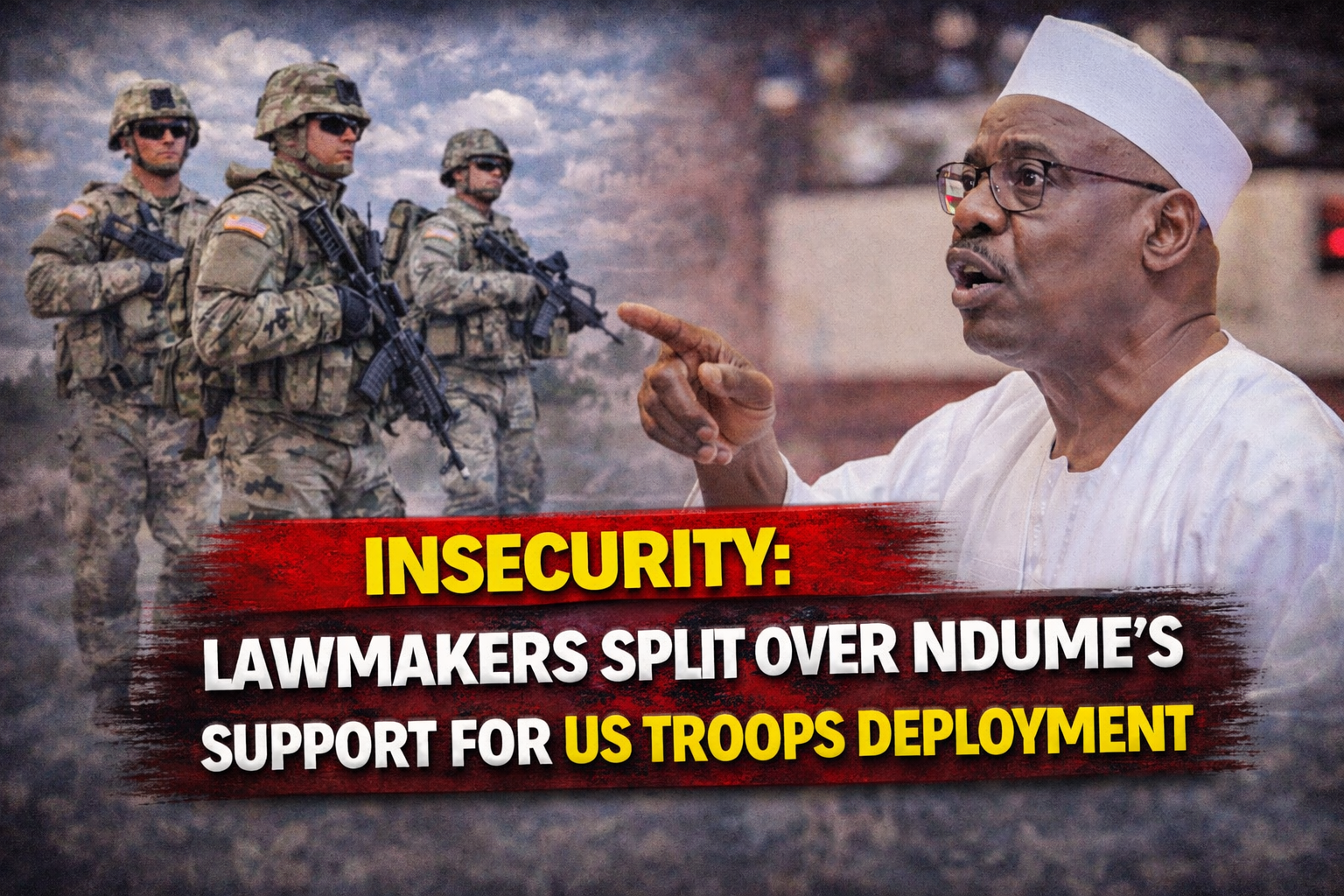
Insecurity: Lawmakers split over Ndume’s support for US troops deployment
Two members of the House of Representatives have taken opposing positions on Senator Ali Ndume’s call for increased United States military involvement in Nigeria’s fight against insurgency, as insecurity continues to weigh heavily on communities in the North-East.
The controversy follows Ndume’s remarks on Channels Television, where the Borno South senator welcomed U.S. support and argued Nigeria should take advantage of what he described as an opportunity to close resource gaps in the counter-insurgency campaign. Insecurity: Lawmakers split over Ndume’s support for US troops deployment has since become a flashpoint in Abuja, raising questions about sovereignty, capacity, and what kind of foreign assistance Nigeria truly needs.
What Ndume said, and why it triggered debate
Appearing on Channels Television’s Politics Today, Ndume endorsed U.S. assistance, saying the United States can provide capabilities Nigeria lacks in its fight against insurgency and banditry in the North-East. He described American support as “welcome” and argued that Nigeria should utilise it.
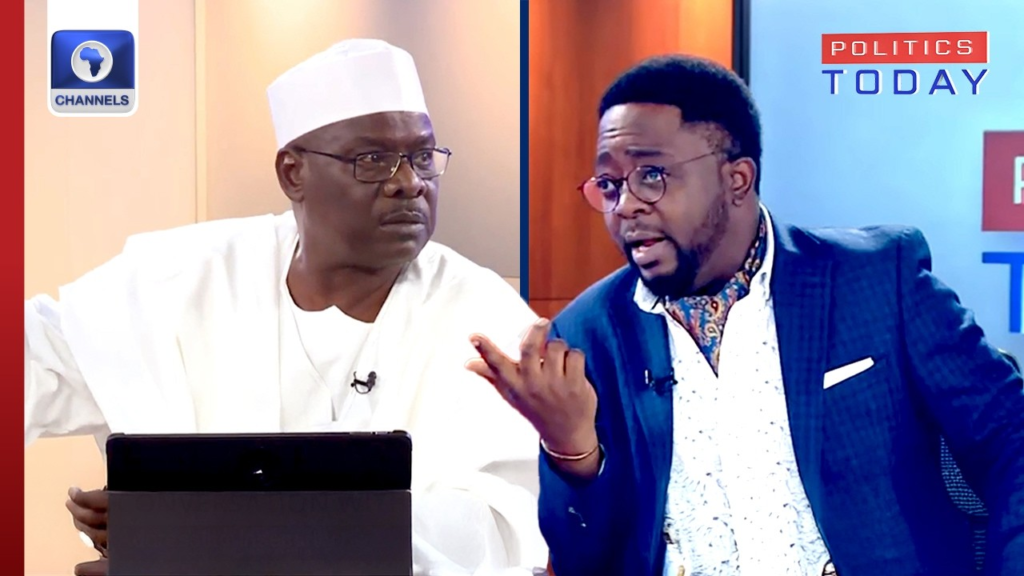
However, Ndume’s comments landed amid fresh international reporting that about 200 U.S. personnel are expected to support Nigeria primarily through training, technical assistance and advisory work, with Nigerian forces retaining operational control and U.S. personnel not serving in combat roles.
That detail matters, because much of the argument in Insecurity: Lawmakers split over Ndume’s support for US troops deployment is not simply “foreign troops yes or no,” but whether Nigeria is talking about combat troops or specialised trainers and technology support.
House Committee on Defence chair: focus on capabilities, not numbers
Speaking to The PUNCH, the Chairman of the House Committee on Defence, Babajimi Benson, urged Nigerians to understand what role the reported U.S. personnel are playing. Benson argued that the question should not be framed around the number of foreign troops, but around the capabilities they bring to help the Nigerian Armed Forces defeat insurgents.
Benson said Nigeria should focus on training and technology enablers that improve the military’s ability to overcome adversaries. In that context, he suggested that if there is a capacity gap that can be filled through support, the country should consider it, but if no gap exists, then more personnel are unnecessary.
This argument forms one side of Insecurity: Lawmakers split over Ndume’s support for US troops deployment: pragmatism over pride, and a belief that Nigeria can accept targeted support without surrendering sovereignty.
Air Force Committee chair: Nigeria can solve it if properly funded
But a contrasting voice emerged from Alhassan Rurum, the Kano lawmaker and Chairman of the House Committee on Air Force, who said he does not support the idea of U.S. troop deployment to Nigeria.
Rurum’s position is straightforward: Nigeria’s Armed Forces are capable of defeating terrorism and insurgency independently if they are properly funded and provided with modern equipment.
For Rurum, Insecurity: Lawmakers split over Ndume’s support for US troops deployment is less about what America can offer and more about what Nigeria has failed to consistently do for its own military: invest, equip, and sustain capacity over time.
The wider context: U.S. says no combat role, Nigeria retains command
International reports add an important layer to this debate. Reuters quoted Nigeria’s Defence Headquarters saying the expected U.S. personnel “do not serve in a combat capacity” and will not assume a direct operational role, while Nigerian forces retain full command authority over operations on Nigerian territory.
Associated Press similarly reported that U.S. personnel would not engage in combat and would focus on training and technical support, with the deployment being at Nigeria’s invitation as part of longstanding security cooperation.
Channels Television also reported the Defence Headquarters describing the partnership as focused on capacity building, intelligence sharing, logistics support and professional military education, while Ndume stressed that U.S. troops are not involved in direct combat.
This framing is central to Insecurity: Lawmakers split over Ndume’s support for US troops deployment: supporters argue that trainers and technology support can strengthen Nigeria’s fight, while opponents warn that once foreign boots are on the ground, perceptions and risks quickly expand.
Regional groups weigh in: support, caution, and calls for clarity
Beyond lawmakers, several regional and civil groups have also reacted.
The Middle Belt Forum (MBF) backed Ndume’s proposal, urging professional conduct and emphasizing intelligence and operational understanding, while also warning about internal compromise that could undermine success.
The Arewa Consultative Forum (ACF) took a more cautious line, saying it had not adopted a firm position and arguing that full details of the U.S. involvement were not publicly known. ACF’s spokesperson raised legal and constitutional concerns, including whether National Assembly approval would be required for foreign military forces operating in Nigeria.
Other groups, including the Forum of Northern Christians and the Coalition of Northern Groups, expressed either support or mixed feelings, highlighting how emotionally charged the insecurity crisis has become and how desperate communities are for results.
The result is a wider national argument wrapped around a single headline: Insecurity: Lawmakers split over Ndume’s support for US troops deployment.
Why the issue is politically sensitive
Foreign military involvement is never just a security question in Nigeria. It touches sovereignty, public trust, and the history of external intervention in African conflicts. Even when foreign support is limited to training and advisory roles, the optics can shift quickly, especially if violence escalates or if civilians fear that foreign interests are shaping Nigerian priorities.
At the same time, the North-East insecurity crisis has lasted long enough that many Nigerians are less concerned about optics and more concerned about outcomes. From Borno to other frontline states, communities want improved protection, better intelligence, and faster response capability.
That is why Insecurity: Lawmakers split over Ndume’s support for US troops deployment is not just an Abuja debate. It is tied to whether Nigeria can restore safety to towns and villages that have lived with fear for years.
What happens next
In the coming days, two things will shape the conversation:
- Official clarity from the Nigerian government and Defence Headquarters on the exact scope, locations, and duration of U.S. support.
- Parliamentary oversight, including whether committees seek briefings on the terms of cooperation and what safeguards exist to protect sovereignty and accountability.
Until then, Insecurity: Lawmakers split over Ndume’s support for US troops deployment remains a live national issue, with lawmakers, regional groups, and citizens asking the same question in different ways: will this help Nigeria win the war against insurgency, or will it complicate it?