












Islamic cleric who saved 262 Christians from Plateau attack
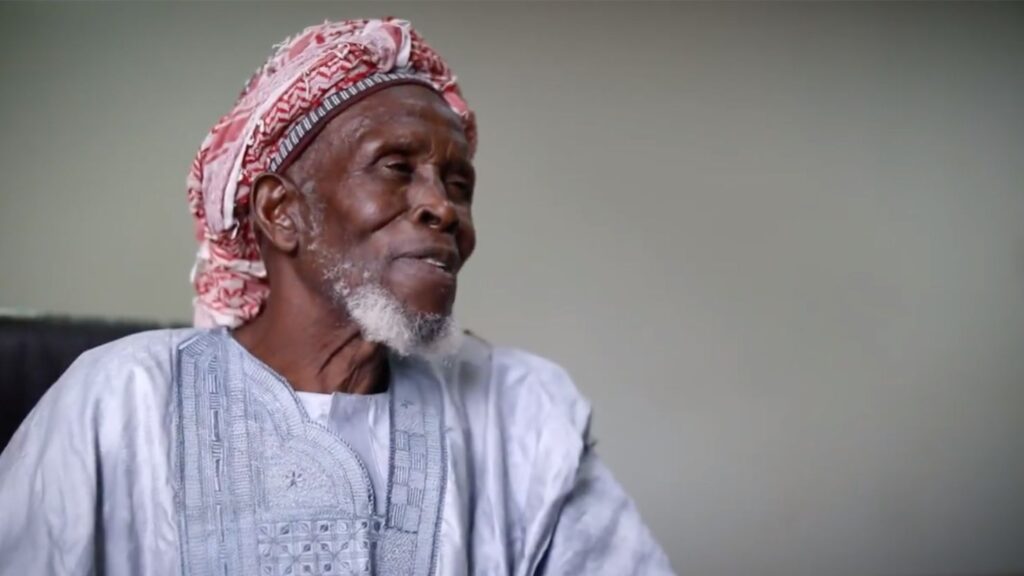
Nigeria is mourning the death of an Islamic cleric whose courageous actions saved 262 Christians during one of Plateau State’s most violent communal attacks, a moment that has since stood as a rare symbol of humanity in the country’s long struggle with sectarian violence.
The Islamic cleric who saved 262 Christians from Plateau attack reportedly died on Monday after a brief illness, according to family members and community leaders. His passing has triggered an outpouring of tributes from across religious and ethnic divides, with many Nigerians describing him as a man who lived the values most leaders only preach.
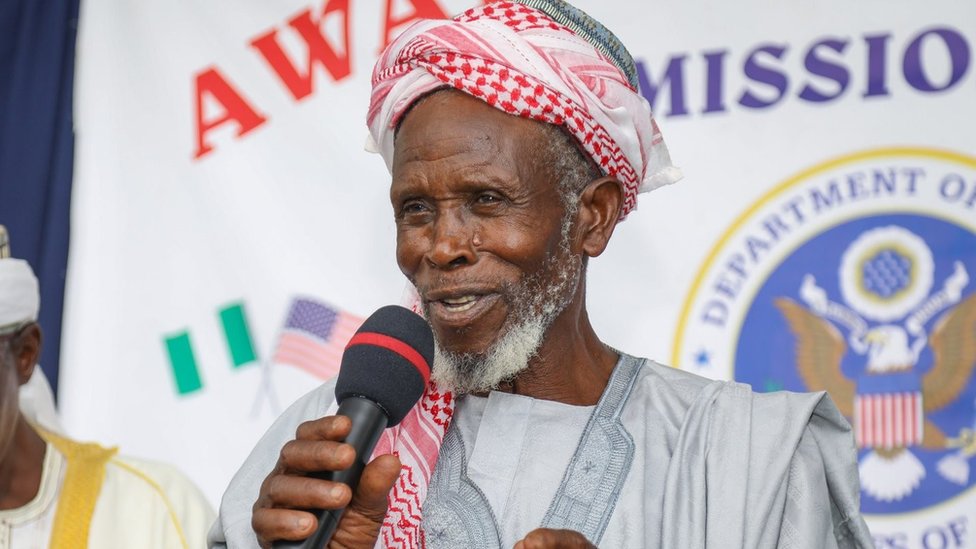
The cleric rose to national attention after sheltering hundreds of Christian women, children, and elderly residents in his compound during a deadly assault on villages in Plateau State several years ago. At a time when fear ruled and violence followed no religious boundaries, the Islamic cleric who saved 262 Christians from Plateau attack chose conscience over silence.
A Night That Changed Lives Forever
Survivors recall that the attack unfolded swiftly, with armed assailants storming communities, burning homes, and forcing residents to flee for safety. As panic spread, many Christian families ran toward the cleric’s residence, knowing it was a risk but believing it was their only chance.
Instead of turning them away, the Islamic cleric who saved 262 Christians from Plateau attack opened his doors and ordered his followers to protect the displaced families. He reportedly confronted armed men directly, insisting that no harm would come to those under his care.
By dawn, 262 people were alive because one man refused to surrender his humanity.
The Man Behind the Courage
Those close to him describe the Islamic cleric who saved 262 Christians from Plateau attack as soft-spoken, deeply principled, and uninterested in recognition. He never sought fame or political reward for his actions. Even after the incident gained international attention, he continued his religious duties quietly, preaching peace and restraint in a region often scarred by retaliation.
https://ogelenews.ng/islamic-cleric-saved-262-christians-plateau-attack-…

“He believed faith was meaningless if it did not protect human life,” a community elder said. “To him, saving lives was worship.”
A Loss That Cuts Across Faith Lines
Following news of his death, Christian leaders, Muslim scholars, civil society groups, and ordinary Nigerians have issued tributes, describing the cleric as a reminder that coexistence is not a myth but a choice.
For many, the passing of the Islamic cleric who saved 262 Christians from Plateau attack feels personal. Survivors of the attack have described him as a father figure, a shield, and a reminder that goodness can exist even in moments of terror.
Church leaders in Plateau State announced plans to hold interfaith prayer sessions in his honour, while Muslim communities described his life as “a sermon without words.”
What His Death Means for Nigeria
The death of the Islamic cleric who saved 262 Christians from Plateau attack comes at a time when Nigeria continues to wrestle with insecurity, mistrust, and communal suspicion. Plateau State, in particular, remains vulnerable to cycles of violence fueled by misinformation, revenge, and political manipulation.
Analysts say his story offers a powerful counter-narrative to extremism and hate-driven rhetoric.
“In a country desperate for heroes, his life proves that moral courage still exists at the grassroots,” a conflict-resolution expert noted.
Remembering a Legacy, Not Just a Moment
While the attack that made him famous was a single night, the values embodied by the Islamic cleric who saved 262 Christians from Plateau attack were lived daily. He mentored youths, mediated disputes, and consistently urged restraint even when tensions ran high.
His family says he never spoke about fear during that night. Instead, he worried about whether he had done enough.
A Quiet Burial, A Loud Message
The cleric was buried according to Islamic rites in his hometown, with mourners from different faiths attending. There were no grand speeches, no political banners, and no cameras competing for attention, just tears, prayers, and gratitude.
As Nigeria reflects on his life, many are asking a difficult question: what if more leaders acted with the same clarity of conscience?
The Islamic cleric who saved 262 Christians from Plateau attack is gone, but his legacy remains a moral challenge to a nation too often divided by fear.
https://www.amnesty.org/en/location/africa/west-and-central-africa/nigeria