















Jigawa court orders ₦10 million compensation for man detained 10 years without trial
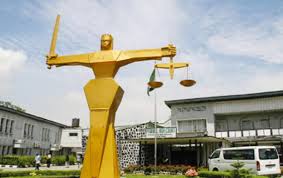
A Jigawa State High Court has ordered the payment of ₦10 million in compensation and a formal public apology to a man who was unlawfully detained for ten years without trial, in a ruling that has reignited national debate about prolonged pretrial detention, police accountability, and access to justice in Nigeria.
The judgment, delivered this week in Dutse, described the decade-long detention as a “gross violation” of the man’s fundamental human rights, declaring the actions of the security agencies involved unconstitutional, inhumane, and incompatible with Nigeria’s justice system.
Legal observers say the ruling by the Jigawa court ordering ₦10 million compensation for a man detained for 10 years without trial is one of the clearest judicial condemnations in recent years of systemic failures within law enforcement and criminal prosecution processes.
How the Detention Happened
According to court records, the victim was arrested in the mid-2010s over allegations that were never formally prosecuted. Despite repeated detentions, transfers, and extended incarceration, he was never charged to court, never arraigned, and never given an opportunity to defend himself before a competent tribunal.
The court heard that for ten years, the man remained in custody without access to a fair hearing, in direct violation of Sections 35 and 36 of the 1999 Constitution of Nigeria, which guarantee personal liberty and the right to fair trial.
In its ruling, the court noted that at no point during the ten-year detention did the authorities obtain a remand order, file charges, or provide legal justification for holding the man.
Court’s Findings: A “Blatant Abuse of Power”
In a strongly worded judgment, the presiding judge stated that the prolonged detention amounted to a blatant abuse of state power.
“The continued detention of the applicant for a period of ten years without trial or lawful justification is unlawful, unconstitutional, and a violation of his fundamental rights,” the court ruled.
The judge added that the practice of detaining citizens indefinitely without trial undermines public confidence in the justice system and erodes the rule of law.
The Jigawa court ordering ₦10 million compensation for a man detained for 10 years without trial also directed the relevant authorities to issue a written public apology, acknowledging wrongdoing and restoring the man’s dignity.
Compensation and Apology Ordered
As part of the judgment, the court ordered:
• Payment of ₦10 million as compensation for unlawful detention
• A public apology to be issued by the detaining authority
• Immediate release of the victim from custody
Legal experts say the compensation reflects not only the length of detention but also the psychological, economic, and social damage suffered by the victim.
“The court recognised that ten years of unlawful detention destroys livelihoods, family structures, and mental health,” a human rights lawyer told Ogele News.
https://ogelenews.ng/jigawa-court-10m-compensation-unlawful-detention
Human Rights Groups React
Human rights organisations have welcomed the judgment, describing it as a landmark decision that could set a precedent for similar cases across Nigeria.
The Civil Liberties Organisation (CLO) and other advocacy groups noted that prolonged detention without trial remains widespread, especially among poor and unrepresented detainees.
“This case highlights what thousands of Nigerians experience silently in detention centres across the country,” a rights advocate said. “The Jigawa court ordering ₦10 million compensation for a man detained for 10 years without trial sends a strong message that the courts will no longer tolerate such abuse.”
A Systemic Problem in Nigeria’s Justice System
Legal analysts argue that the case is symptomatic of deeper structural issues, including:
• Weak investigative capacity
• Poor case management by prosecutors
• Overcrowded correctional facilities
• Limited access to legal representation
According to official data, a significant percentage of inmates in Nigerian correctional facilities are awaiting trial, some for periods exceeding five years.
The ruling has renewed calls for urgent reforms in policing, prosecution, and judicial oversight to prevent future abuses.
Responsibility of Law Enforcement Agencies
Although the court did not name individual officers in its ruling, it held the detaining authority fully responsible for the unlawful detention.
Security analysts stress that such cases expose gaps in accountability within law enforcement agencies, where suspects are often arrested without sufficient evidence and left in custody indefinitely.
“The problem is not just wrongful arrest,” a retired magistrate explained. “It is the failure to review cases, follow due process, and release suspects when there is no basis for prosecution.”
Legal Significance of the Judgment
The Jigawa court ordering ₦10 million compensation for a man detained for 10 years without trial is expected to strengthen future fundamental rights enforcement cases.
Lawyers say the judgment reinforces the principle that constitutional rights are enforceable and that victims of abuse can obtain meaningful remedies, including financial compensation and public apology.
It also underscores the courts’ role as a check on executive and law enforcement excesses.
Life After Detention
During proceedings, the victim reportedly told the court that his prolonged detention cost him his family, employment opportunities, and social standing. His legal team argued that no amount of compensation could fully restore what was lost, but justice demanded recognition of the harm done.
With his release now ordered, attention has shifted to rehabilitation and reintegration, as rights groups call on the government to provide post-detention support for victims of unlawful incarceration.
Broader Implications for Justice Reform
Observers say the ruling should prompt nationwide audits of long-standing detention cases, particularly in police cells and correctional facilities.
As Nigeria continues to debate police reform and justice sector accountability, the Jigawa court ordering ₦10 million compensation for a man detained for 10 years without trial stands as a reminder that democracy must be measured not only by elections, but by how the state treats its most vulnerable citizens.