












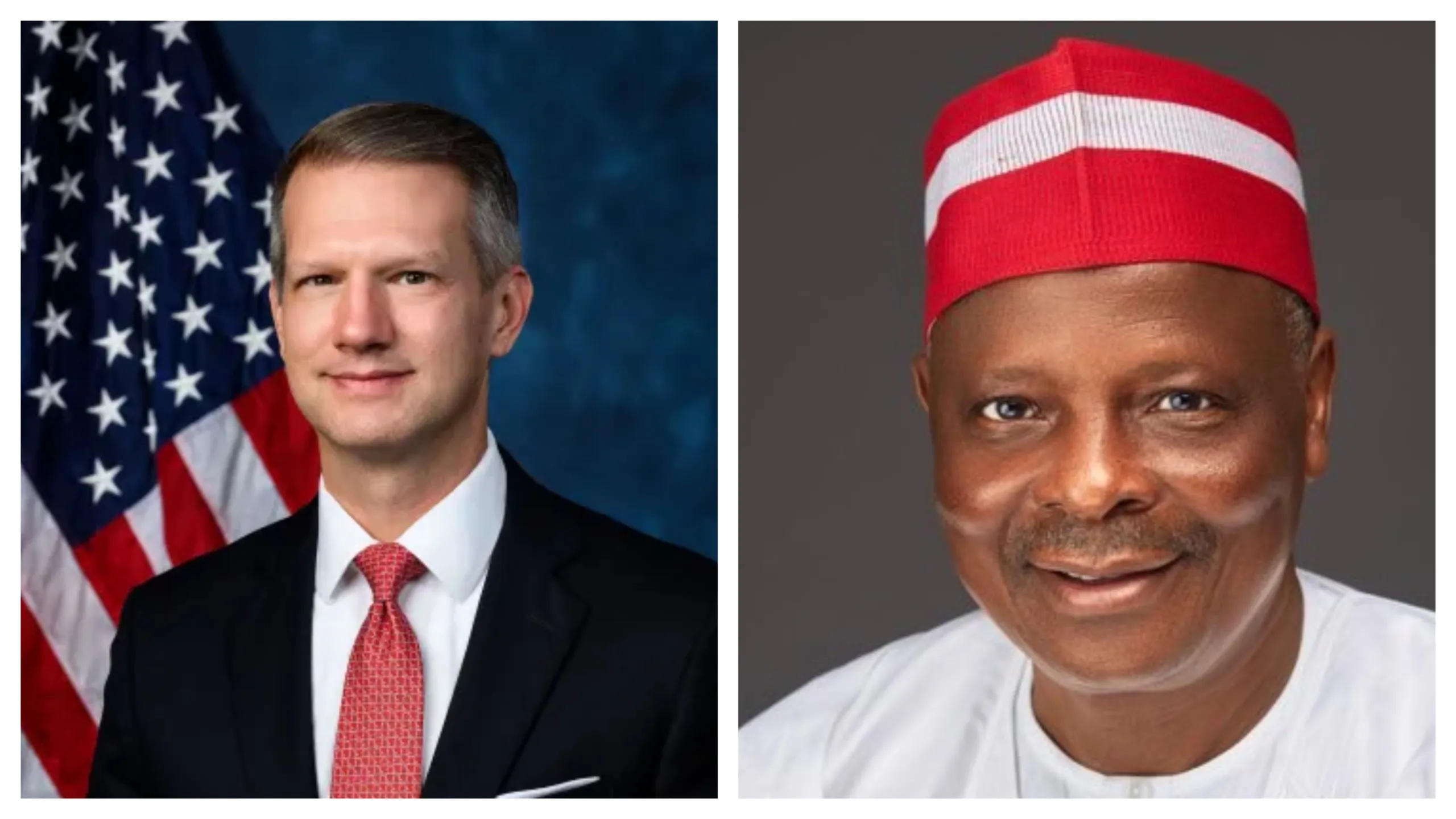
Kwankwaso may face US visa ban
The United States Congress is considering targeted sanctions – including visa bans and asset freezes – against a group of Nigerian political figures, ethnic militias and organisations over alleged violations of religious freedom in Nigeria, with former Kano State governor Rabiu Musa Kwankwaso specifically named in the proposed legislation.
The move came this week with the introduction of the Nigeria Religious Freedom and Accountability Act of 2026 in the U.S. House of Representatives by Republican lawmakers seeking to pressure the Nigerian government to address ongoing attacks against religious communities, particularly Christians.
If passed into law, the bill would require the U.S. Secretary of State and the Department of the Treasury to prepare reports and consider sanctions, including a visa ban and asset freezes, on individuals and entities accused of participating in serious religious freedom violations in Nigeria. The bill explicitly lists Kwankwaso among those who may be affected, Kwankwaso may face US visa ban.
The proposed legislation is part of broader U.S. efforts to hold accountable those believed to be committing or enabling acts that infringe on freedom of religion in Nigeria. Lawmakers behind the bill said that, beyond visa bans, the measures aim to deter violence and ensure that perpetrators cannot operate with impunity.
Under the bill’s provisions, the U.S. administration would be directed to identify individuals and groups in Nigeria responsible for “severe violations of religious freedom” and consider diplomatic, humanitarian, economic and security tools to protect vulnerable communities.
Among the entities named alongside Kwankwaso are several Fulani-ethnic nomad militias, the Miyetti Allah Cattle Breeders Association of Nigeria (MACBAN), and the Miyetti Allah Kautal Hore. These groups have been cited in the bill due to alleged links to attacks on religious communities and the perceived failure of authorities to hold them accountable, Kwankwaso may face US visa ban.
The legislation’s sponsors include Representatives Riley Moore (R-West Virginia), Chris Smith (R-New Jersey), Brian Mast, Mario Díaz-Balart and Bill Huizenga. In statements announcing the bill, supporters said the U.S. must employ “all available tools” to address religious persecution and promote accountability. They argue that visa bans and other restrictions could pressure the government and other actors in Nigeria to act against human rights abuses.
“The United States should deliver humanitarian assistance, co-funded by the Government of Nigeria, through trusted civil society organisations, including faith-based groups in Nigeria’s Middle Belt states,” the legislation reads. It also calls on the U.S. to determine whether certain militias operating in Nigeria should be designated as foreign terrorist organisations under U.S. law.
The move to include a visa ban on Kwankwaso and others comes amid international scrutiny of religious violence and insecurity in Nigeria’s Middle Belt and northern regions, where clashes between farming communities and pastoralists, often along ethno-religious lines, have escalated in recent years,Kwankwaso may face US visa ban.
https://ogelenews.ng/kwankwaso-others-may-face-us-visa-ban-over-religiou…
Critics of the bill warn that such measures, if enacted, could strain diplomatic relations between the United States and Nigeria, especially at a time when both countries are working on security cooperation and counter-terrorism partnerships. Some Nigerian officials have disputed claims that religious freedom violations in the country are driven solely by religious persecution, arguing that insecurity is multifaceted and has economic, political and social roots, Kwankwaso may face US visa ban.
The Nigerian government has previously expressed concern over U.S. actions related to religious freedom. In late 2025, Nigeria was re-designated by the U.S. as a “Country of Particular Concern” under international religious freedom laws, reflecting allegations of egregious violations in the treatment of religious groups. The designation triggered heightened attention to issues of insecurity and faith-based violence in Nigeria, Kwankwaso may face US visa ban.
Supporters of the proposed visa ban and sanctions argue that diplomatic pressure can contribute to meaningful change, especially if coordinated with international partners and civil society. They maintain that holding leaders and groups accountable for religious freedom violations sends a strong message that abuses will not be tolerated and that human rights are a priority on the global stage.
However, opponents of the proposed sanctions caution that linking individual politicians to broad violence and insecurity issues could be polarising. They argue that insecurity in Nigeria is rooted in complex socio-economic challenges that need comprehensive policy solutions rather than just punitive measures. Some analysts suggest that such measures should be paired with deeper diplomatic engagement and support for peacebuilding initiatives, Kwankwaso may face US visa ban.
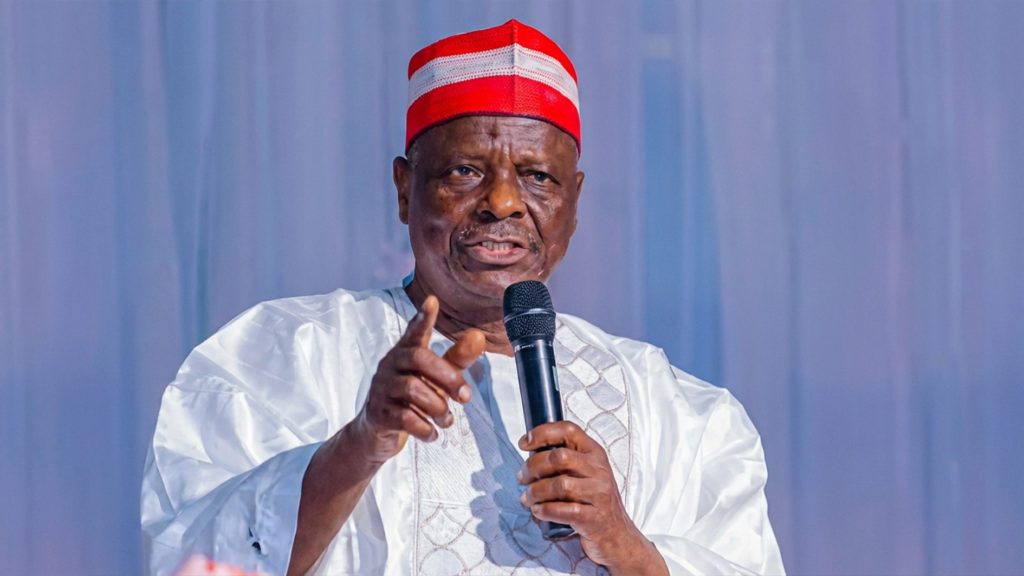
For Kwankwaso, who was a former governor of Kano State and national leader of the New Nigeria Peoples Party (NNPP), the possibility of a visa ban would mark a significant development. It would underscore how international legislative action can influence domestic political figures in the context of allegations surrounding human rights and religious freedom, Kwankwaso may face US visa ban.
As debates continue in the U.S. Congress over the bill’s provisions, Nigerians are watching closely to see how Washington’s concerns over religious freedom will shape diplomatic ties and foreign policy towards Africa’s most populous nation.
https://punchng.com/kwankwaso-others-may-face-us-visa-ban-over-religious-freedom-violations
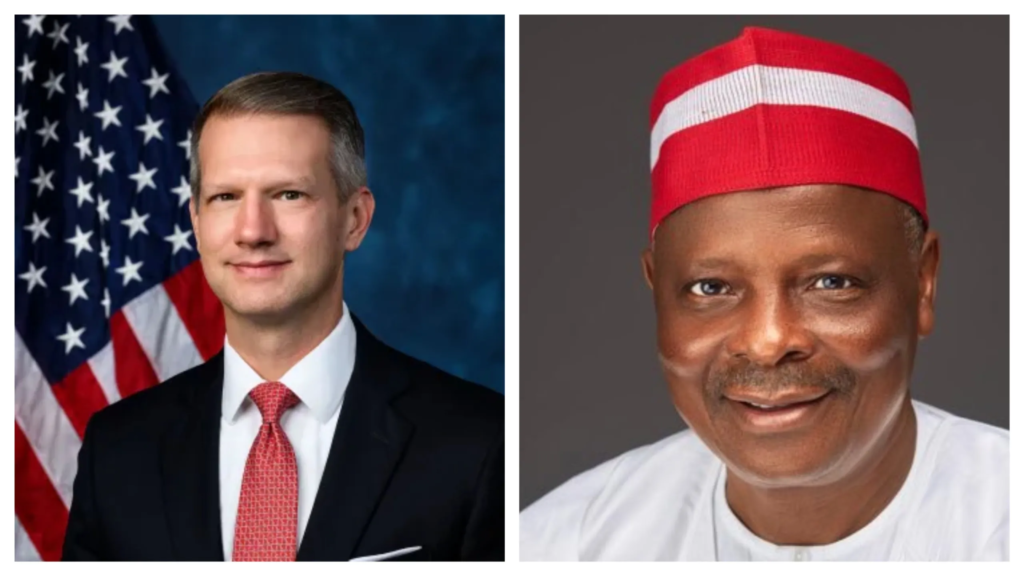
Kwankwaso may face US visa ban.