















Lagos CP withdraws task force from traffic duties
What changed in Lagos traffic enforcement
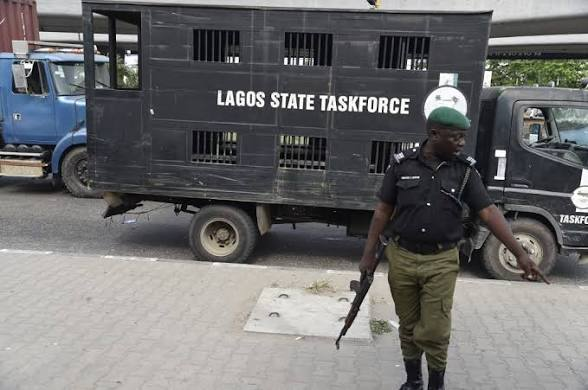
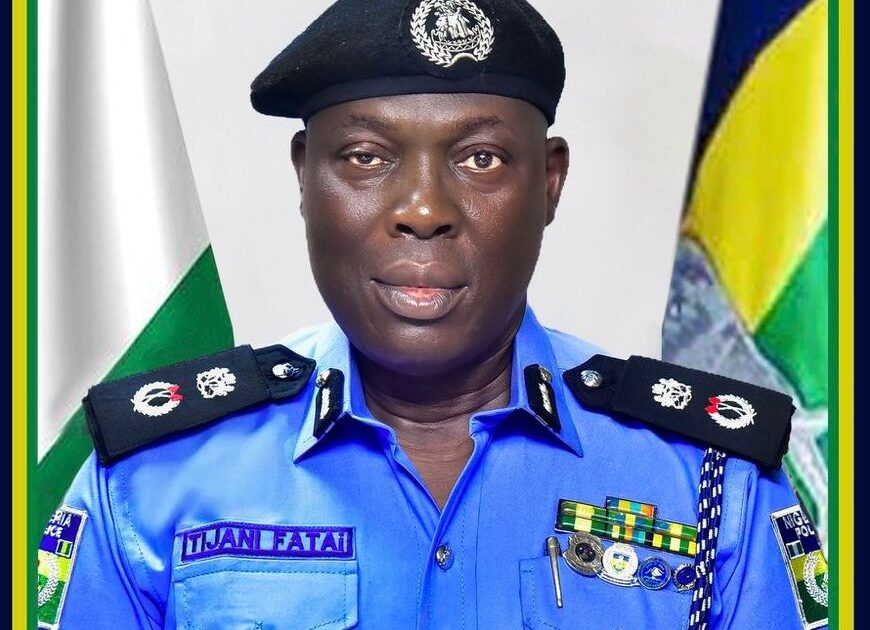
In a move that has immediately reshaped traffic enforcement in Nigeria’s commercial capital, the Lagos State Commissioner of Police, Tijani Fatai, has ordered the complete withdrawal of the Lagos State Environmental Sanitation and Special Offences Unit, widely known as the task force, from all traffic-related duties.
The decision, announced through the Police Public Relations Officer, Abimbola Adebisi, marks a significant policy shift in how traffic control is handled across Lagos.
The directive specifically removes the task force from traffic control and traffic violation enforcement, while allowing the unit to continue its other operational responsibilities.
For a city long defined by aggressive enforcement culture on its roads, the Lagos CP withdraws task force from traffic duties decision signals more than administrative adjustment. It reflects a deeper attempt to restore order, credibility, and public trust.
Why the Lagos CP withdraws task force from traffic duties
Authorities say the decision is rooted in the need to streamline operations and improve professionalism across agencies involved in traffic enforcement.
According to the police command, the Lagos CP withdraws task force from traffic duties move is aimed at ensuring accountability, clarity, and a more structured system of traffic management.
For years, overlapping responsibilities between different enforcement bodies have created confusion among motorists. The latest directive appears designed to eliminate duplication and reduce the chaos that often accompanies enforcement on Lagos roads.
But beyond administrative language, the timing of the decision tells a deeper story.
Public outrage and the tipping point
The Lagos CP withdraws task force from traffic duties decision did not happen in isolation. It follows mounting public complaints and a recent viral video that sparked outrage across social media.
In the widely circulated footage, task force operatives were accused of manipulating a traffic situation to create grounds for arrest and extortion.
The allegation that a vehicle was deliberately repositioned to fabricate an offence struck a nerve among Lagos residents who have long complained about harassment and arbitrary enforcement practices.
The backlash was swift.
And within days, the Lagos CP withdraws task force from traffic duties directive emerged.
This sequence underscores a familiar pattern in Nigeria’s public institutions where reform is often triggered not by internal audits, but by public exposure.
What this means for Lagos motorists
For everyday commuters, the Lagos CP withdraws task force from traffic duties policy could bring immediate relief.
Many drivers in Lagos have operated under constant tension, unsure whether enforcement actions are legitimate or opportunistic. The removal of the task force from traffic duties is expected to reduce:
- Allegations of extortion
- Roadside confrontations
- Confusion over enforcement authority
The police have also advised motorists to verify the identity of officials before engaging in any enforcement interaction.
This is critical in a city where multiple agencies operate simultaneously, often without clear differentiation.
https://ogelenews.ng/lagos-cp-withdraws-task-force-traffic-duties
A question of structure, not just discipline
While the Lagos CP withdraws task force from traffic duties move has been widely welcomed, it raises a more fundamental question: who should control traffic enforcement in Lagos?
Traffic management in the state involves several agencies, including:
- Lagos State Traffic Management Authority (LASTMA)
- Nigeria Police
- Task force units
The overlap has historically created friction, duplication, and in some cases, competition for authority.
By removing one player from the traffic space, the police appear to be narrowing the field and redefining operational boundaries.
But whether this leads to long-term efficiency remains to be seen.
Internal reform or damage control?
There are two ways to read the Lagos CP withdraws task force from traffic duties decision.
The first is as a genuine reform effort aimed at restoring professionalism and accountability within the system.
The second is as a response to public pressure and reputational damage following viral allegations.
Both interpretations may be valid.
What is clear is that the police have also launched an investigation into the misconduct allegations, indicating that the issue goes beyond structural adjustment to questions of individual accountability.
The wider implications for policing in Nigeria
Beyond Lagos, the Lagos CP withdraws task force from traffic duties directive touches on a broader national issue: the need for reform in public-facing enforcement units.
Traffic enforcement is often the most visible interaction between citizens and the state. When that interaction is perceived as exploitative, it erodes trust not just in one agency, but in governance as a whole.
The Lagos decision may therefore serve as a test case.
If it leads to measurable improvement in traffic management and public confidence, other states may follow similar paths.
If it fails, it will reinforce skepticism about reform efforts in Nigeria.
What to watch next
Several developments will determine the success of this policy:
- Whether other agencies can handle increased traffic enforcement responsibilities
- The outcome of investigations into alleged misconduct
- Public perception over the next few weeks
- Any further restructuring of traffic management systems
Most importantly, the sustainability of the Lagos CP withdraws task force from traffic duties directive will depend on enforcement consistency.
Reform without follow-through rarely lasts.
Bottom line
The Lagos CP withdraws task force from traffic duties decision is a bold step, but not a final solution.
It addresses a symptom.
Whether it solves the underlying problem depends on what comes next.
https://punchng.com/lagos-cp-withdraws-task-force-from-traffic-duties/