














Makinde breaks silence after meeting Tinubu in Aso Rock
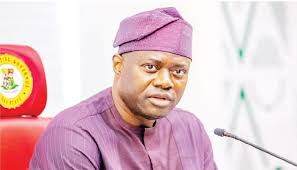
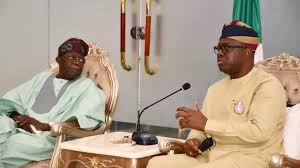
Oyo State Governor Seyi Makinde has broken his silence following his much-discussed meeting with President Bola Ahmed Tinubu at the Presidential Villa, Aso Rock, offering clarity on the purpose, tone, and political meaning of the engagement that has triggered wide speculation across Nigeria’s political space.
The meeting, which took place behind closed doors, immediately drew national attention because of Makinde’s position as a senior figure in the opposition Peoples Democratic Party (PDP) and one of the most influential governors outside the ruling All Progressives Congress (APC). In the days that followed, political commentators debated whether the encounter signaled an impending realignment, a strategic détente, or a pragmatic move in the interest of governance.
By breaking his silence, Makinde has now sought to reset the narrative, framing the Aso Rock visit as a governance-driven engagement rather than a partisan negotiation.
Makinde Breaks Silence After Meeting Tinubu in Aso Rock
Speaking to journalists after the meeting, Governor Makinde described the discussion with President Tinubu as “frank, constructive, and focused on national issues,” stressing that Nigeria’s current economic and security challenges demand dialogue across party lines.
Makinde emphasized that the meeting was not about defection, coalition talks, or political bargaining. Instead, he said it was centered on matters affecting states, federal-state relations, and the broader economic direction of the country.
“Leadership requires maturity,” Makinde said. “You can belong to different political parties and still sit down to talk about the future of Nigeria.”
This statement marked the first time Makinde directly addressed the Aso Rock meeting, effectively cooling speculation that had dominated political conversations for days.
Why the Meeting Triggered National Attention
The significance of the meeting lies less in its occurrence and more in the personalities involved. Makinde is widely regarded as one of the most independent and outspoken PDP governors, particularly after his prominent role in the G-5 bloc that challenged party orthodoxy during the 2023 elections.
For President Tinubu, known for his long-standing political networks across party lines, engaging Makinde fits into a broader pattern of elite-level consultations aimed at stabilizing governance amid economic reforms that have generated public debate.
That Makinde breaks silence after meeting Tinubu in Aso Rock was therefore inevitable, as the political vacuum created by his initial quiet only fueled speculation.
Governance, Not Politics — Makinde’s Core Message
In clarifying his position, Makinde repeatedly returned to governance. He noted that state governors, regardless of party affiliation, must engage the federal government on issues such as revenue allocation, infrastructure funding, and economic reforms.
According to him, Oyo State’s interests were central to the discussion, particularly in areas such as:
• Federal road infrastructure within the state
• Economic stabilization policies and their impact on subnational governments
• Security coordination across state boundaries
Makinde argued that refusing dialogue simply because of party differences would be irresponsible leadership.
This framing reinforces the idea that when Makinde breaks silence after meeting Tinubu in Aso Rock, he is deliberately projecting the image of a pragmatic governor rather than a partisan warrior.
https://ogelenews.ng/makinde-breaks-silence-meeting-tinubu-aso-rock
Tinubu’s Strategy of Broad Engagement
Observers note that President Tinubu has consistently engaged political actors beyond his party since assuming office. From opposition governors to former rivals, Tinubu’s approach suggests a preference for elite consensus, particularly as his administration pushes through difficult economic reforms.
Within this context, Makinde’s visit fits a broader pattern rather than standing as an isolated event. Analysts argue that Tinubu understands the importance of keeping influential opposition figures within a dialogue framework, especially as reforms affect states unevenly.
For Tinubu, the optics of meeting Makinde signal openness. For Makinde, participating — and later explaining — signals maturity.
Internal PDP Reactions and Political Undercurrents
Within the PDP, reactions to the meeting were mixed. While some party loyalists urged caution, others defended Makinde’s right to engage the presidency.
Several senior PDP figures privately acknowledged that opposition politics does not preclude dialogue, especially when state interests are involved. However, there were also concerns that such high-profile meetings could be misinterpreted as weakening party cohesion.
By choosing to speak publicly, Makinde appears to be addressing both audiences: reassuring PDP supporters while maintaining an open channel with the federal government.
That balance explains why Makinde breaks silence after meeting Tinubu in Aso Rock with careful language — firm enough to deny defection rumors, but flexible enough to justify continued engagement.
The Bigger Picture: Nigeria’s Political Culture
Beyond personalities, the episode highlights a gradual shift in Nigeria’s political culture. The binary logic of “government versus opposition” is increasingly strained by economic realities that require cooperation across levels of government.
Experts argue that the country’s fiscal structure makes federal-state collaboration unavoidable. From fuel subsidy removal to exchange rate reforms, state governments are directly affected by federal decisions.
In this sense, Makinde’s Aso Rock meeting — and his subsequent explanation — reflects a broader evolution toward pragmatic politics.
What the Silence, and the Break, Really Mean
Makinde’s initial silence was strategic. In Nigerian politics, silence often allows the political temperature to rise, revealing the assumptions and anxieties beneath public discourse. When he finally spoke, the contrast gave his message greater weight.
When Makinde breaks silence after meeting Tinubu in Aso Rock, he is not merely clarifying a meeting — he is asserting a leadership philosophy rooted in engagement without surrender.
Looking Ahead
The meeting does not signal an imminent political realignment, but it does suggest that lines of communication remain open between key political actors. For Makinde, the challenge will be maintaining credibility within the opposition while continuing to pursue state interests at the federal level.
For Tinubu, such engagements may help soften resistance to reforms and build informal consensus beyond party structures.
As Nigeria navigates economic restructuring and political recalibration, moments like this — and how leaders explain them — matter.
In breaking his silence, Makinde has chosen explanation over ambiguity, governance over theatrics, and dialogue over isolation. Whether this approach reshapes future opposition-government relations remains to be seen, but the message is clear: engagement, not estrangement, is now part of Nigeria’s political reality.
https://www.reuters.com/world/africa