














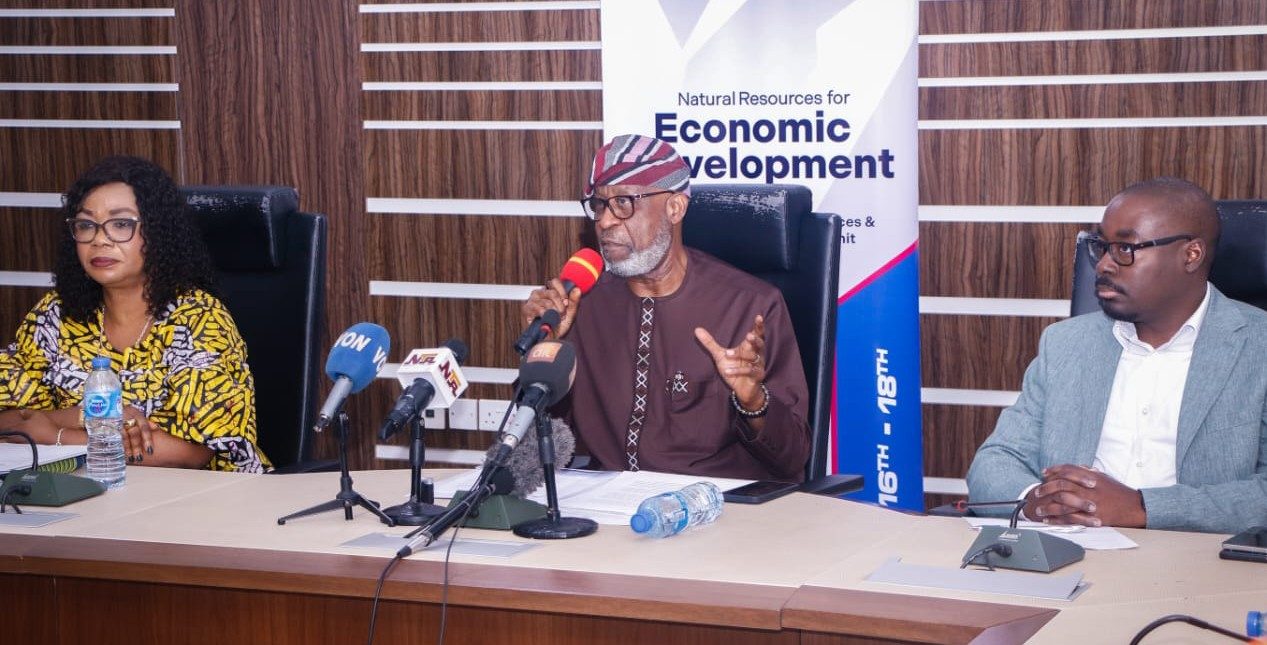

national gold refinery in Lagos
The Federal Government under President Bola Ahmed Tinubu has urged Nigerians to “turn a new leaf” in national economic conversations following growing opposition from Northern elders over the proposed location of Nigeria’s planned national gold refinery in Lagos.
The reaction comes amid mounting criticism from influential voices in the North, who argue that situating the national gold refinery in Lagos undermines principles of regional balance, equity, and inclusive development. The debate has reopened long-standing fault lines over infrastructure concentration, resource control, and economic fairness in Nigeria’s federal system.
WHY THE NATIONAL GOLD REFINERY MATTERS
The proposed national gold refinery in Lagos is part of the Federal Government’s strategy to formalise Nigeria’s gold value chain, reduce smuggling, and retain value currently lost through illegal exports.
Nigeria is estimated to lose billions of naira annually as unrefined gold is smuggled out of the country, often through informal routes. A centralised refinery would allow the government to:
• Process locally mined gold
• Improve transparency in gold trading
• Boost foreign exchange earnings
• Strengthen Nigeria’s non-oil export base
Officials argue that Lagos, as Nigeria’s financial and logistics hub, offers infrastructure, port access, and investor proximity that could accelerate the refinery’s success.
NORTHERN ELDERS RAISE REGIONAL CONCERNS
However, the Northern Elders Forum and allied groups have openly questioned the decision, insisting that the national gold refinery in Lagos contradicts the principle of locating resource-based infrastructure closer to production zones.
Gold mining activities are concentrated in states such as Zamfara, Kebbi, Niger, Kaduna, and parts of the North-West and North-Central. Northern leaders argue that hosting the refinery in these regions would:
• Create local jobs
• Reduce insecurity linked to illegal mining
• Stimulate regional development
• Address decades-old grievances over uneven economic investment
For them, the Lagos location reinforces a pattern where wealth is extracted from one region and processed elsewhere.
https://ogelenews.ng/national-gold-refinery-lagos-northern-elders-tinubu
TINUBU GOVERNMENT’S RESPONSE: “TURN A NEW LEAF”
In response, senior government officials said Nigeria must “turn a new leaf” in how national projects are debated, urging stakeholders to move away from regional suspicion toward economic pragmatism.
According to the Presidency, the national gold refinery in Lagos should not be viewed as a zero-sum decision but as part of a phased national industrial plan that could later support satellite refineries or processing hubs in mining regions.
Officials stressed that:
• The refinery is a national asset, not a regional one
• Location decisions are based on infrastructure readiness and investor confidence
• Mining communities will still benefit through royalties, jobs, and formalisation
LAGOS VS RESOURCE-HOST COMMUNITIES: A FAMILIAR DEBATE
The controversy echoes earlier national arguments around:
• Oil and gas infrastructure
• Seaports and export terminals
• Power generation and transmission facilities
Critics say the national gold refinery in Lagos risks deepening perceptions of economic centralisation, while supporters argue that Lagos’ efficiency reduces costs and increases global competitiveness,national gold refinery in Lagos.
Economic analysts note that Nigeria often struggles to balance speed of execution with geographical equity, a tension now resurfacing in the gold refinery debate.
SECURITY, SMUGGLING, AND THE GOLD ECONOMY
Another layer of the discussion is security. Illegal gold mining has fueled violence, banditry, and environmental destruction in parts of the North.
Northern leaders argue that placing the national gold refinery in Lagos does little to address insecurity at mining sites. They insist that meaningful reform must begin closer to the source, where regulation, enforcement, and economic opportunity intersect.
The Federal Government, however, maintains that refinery location alone will not solve security challenges and that enforcement, licensing reform, and community engagement remain central pillars.
POLITICAL IMPLICATIONS FOR TINUBU’S ADMINISTRATION
Politically, the debate tests President Tinubu’s message of national unity and economic restructuring.
While the administration has emphasised private-sector-led growth, it must also manage regional sensitivities in a country where infrastructure placement often carries symbolic weight.
Analysts say how the national gold refinery in Lagos issue is handled could shape trust between the Federal Government and northern stakeholders, especially as Nigeria seeks to diversify away from oil.
WHAT COMES NEXT
Government sources indicate that consultations are ongoing and that alternative models — including multiple refineries or regional processing centres — are not off the table.
For now, the Tinubu administration appears focused on calming tensions, reframing the discussion, and ensuring the project does not become another flashpoint in Nigeria’s fragile regional politics.
The broader lesson, officials say, is that Nigeria must turn a new leaf — moving from suspicion to strategy, from division to value creation.
BOTTOM LINE
The debate over the national gold refinery in Lagos is not just about geography. It reflects deeper questions about fairness, trust, and the future structure of Nigeria’s economy.
Whether the refinery ultimately remains in Lagos or evolves into a more decentralised model, the controversy has already highlighted the urgent need for transparent decision-making and inclusive economic planning.
national gold refinery in Lagos.