


















Nigeria produces 2.1 million metric tonnes of onions annually
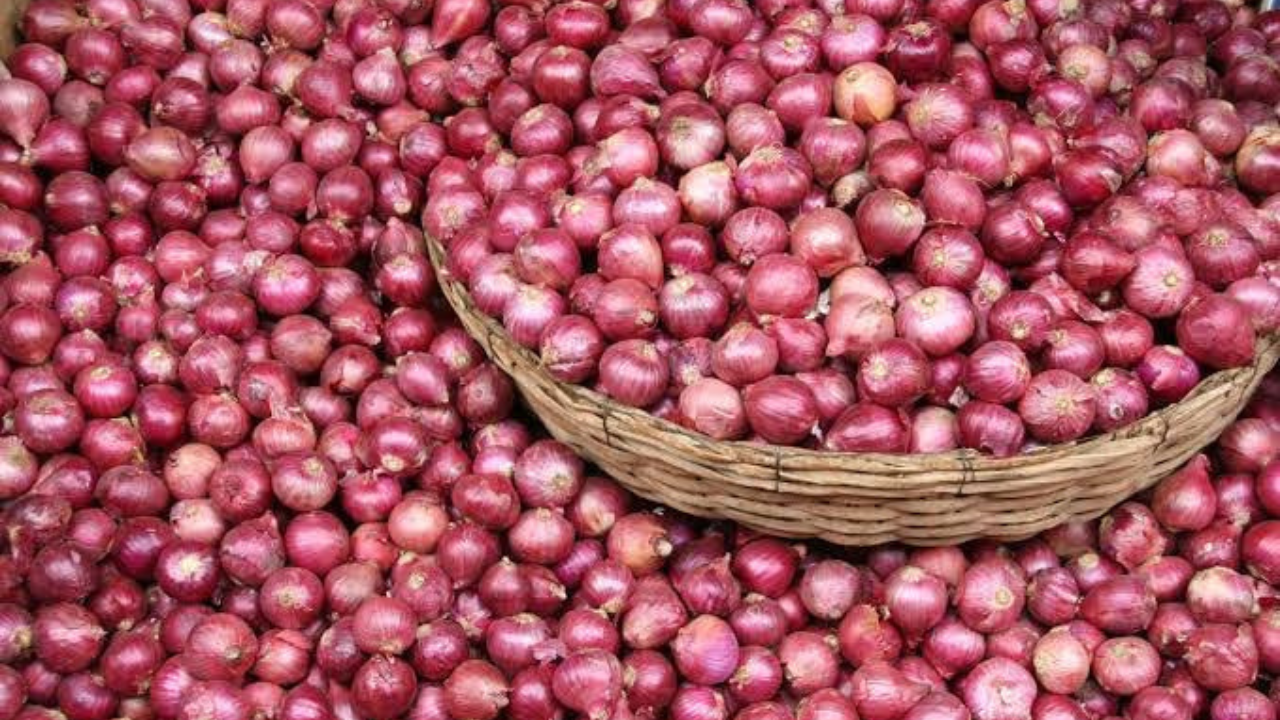
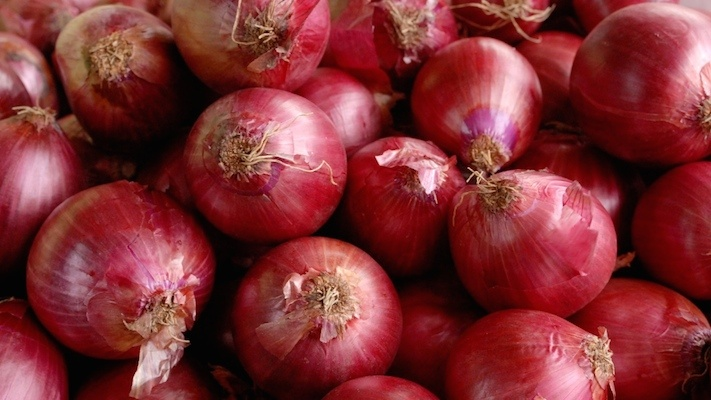
Nigeria continues to cement its place as one of Africa’s major agricultural producers, with stakeholders in the agricultural sector reporting that the country produces about 2.1 million metric tonnes of onions annually. This figure — widely quoted by marketers, farmers and industry experts — reflects both the scale of local onion production and the critical role the crop plays in Nigeria’s food security, rural economy and agribusiness value chain. 
Onions are one of the most widely consumed vegetables in Nigeria, featuring in kitchens across the country and forming a core part of daily diets from the north to the south. Despite its importance, the onion sector battles multiple challenges, including post-harvest losses, poor storage facilities and limited processing capacity, which inhibit the ability to fully capitalise on the crop’s production potential. 
Domestic Output and National Context
According to marketers and producers, Nigeria’s annual output of onions — often cited at roughly 2.1 million metric tonnes — underscores the country’s position as one of the largest onion producers on the continent. This estimate is consistent with government and industry sources that have reported production figures above two million tonnes in recent years. 
Most of this production is concentrated in the northern states of the country, where climatic conditions and soil types favour onion cultivation. Key producing states include Sokoto, Kano, Kebbi, Kaduna, Jigawa and Katsina, among others. These areas account for the bulk of Nigeria’s onion harvest, with thousands of smallholder farmers relying on the crop for both subsistence and commercial income. 
The market demand for onions in Nigeria remains high, driven largely by domestic consumption and regional trade. However, despite high production, Nigeria often struggles to meet national demand, which some industry players estimate to be closer to 2.5 million metric tonnes annually — above current output levels. That gap between demand and supply highlights a persistent shortfall in capacity and the need for improved agricultural practices and infrastructure. 
Markets, Trade and Sector Dynamics
Onion markets in Nigeria are bustling economic hubs, with traders moving produce daily to urban centres. Sokoto — one of the leading producing states — is often cited as a major source of onion supply, accounting for a significant portion of the vegetable consumed in the country. Experts note that onions from Sokoto and neighbouring markets are distributed widely across Nigeria and even into neighbouring West African countries. 
Despite its production volume, Nigeria’s contribution to the global onion export market remains limited. While export shipments do occur, especially to neighbouring African markets, the sector has not yet matured to fully leverage the country’s production scale into broader foreign exchange earnings or global market positioning. 
The limited processing capacity for onions also affects trade dynamics. Most onions are sold fresh or dried in local markets, with minimal transformation into value-added products such as onion powder, flakes or oil — products that could fetch higher prices and open export avenues.
https://ogelenews.ng/nigeria-produces-2-1m-metric-tonnes-onions
Challenges Facing the Onion Value Chain
A prevailing concern among onion marketers and producers is post-harvest loss, a significant drain on the sector’s productivity and profitability. Without adequate storage facilities and processing technologies, farmers often lose large portions of their harvest shortly after collection due to spoilage, pests or exposure to adverse weather. Estimates suggest that post-harvest losses can run as high as 40–50 percent of total production, severely undercutting the sector’s potential. 
These losses have cascading effects. When a large share of production is lost before it reaches consumers, the effective supply that enters markets drops, driving up prices for consumers and reducing profit margins for farmers. Marketers argue that reducing these losses would immediately improve earnings and push more produce into distribution chains. 
Another structural challenge is storage infrastructure. Traditional storage methods — such as storing onions in silos made from bamboo, wood and grass — are inadequate for preserving quality over long periods. Modern storage solutions, such as ventilated and climate-controlled facilities, are still scarce and often expensive for smallholder farmers to access. 
Beyond storage, processing capacity is limited, meaning most of the crop is consumed fresh or sold directly to markets. This reduces opportunities for value addition that could increase revenues and incentivise farmers to produce more. Industry voices have repeatedly called for investment in processing plants that can produce onion powder, flakes or other derivatives, which could also support export growth. 
Policy, Investment and the Path Forward
Addressing the onion sector’s challenges will require coordinated efforts among government, private sector actors and development partners. Marketers argue that improved seed quality, access to finance, mechanisation, storage and processing infrastructure must be priorities if Nigeria’s production can be fully harnessed for national food security and economic growth.
Several initiatives have sought to introduce modern storage technologies, particularly in states like Kano, where aerated storage facilities have been piloted to reduce post-harvest losses significantly. These technologies, which regulate temperature and humidity, have shown promise in keeping onions fresh for longer periods and boosting farmers’ incomes in pilot communities. 
There is also a growing conversation around value chain integration — linking farmers, processors and marketers in structured networks that can negotiate better prices, reduce transaction costs and increase export competitiveness. For Nigeria to meet its full potential as a major onion producer, these networks will need policy support, investment and training for producers. 
Why It Matters
Nigeria’s onion production story reflects more than just agricultural output figures. It reflects the challenges and opportunities inherent in Nigeria’s broader agricultural landscape — from the resilience of smallholder farmers to the limitations of infrastructure and the need for value-chain transformation.
At roughly 2.1 million metric tonnes annually, onion production contributes significantly to rural livelihoods and national food supplies. With stepped-up efforts in storage, processing and market linkages, Nigeria could not only meet domestic demand but also boost export earnings and strengthen its position in the African agricultural value chain.
For policymakers, the key question is how to move from large production figures to sustainable, profitable agricultural systems that improve rural incomes, stabilise prices and deliver food security across the country.
https://punchng.com/nigeria-produces-2-1-million-metric-tonnes-of-onions-annually-marketers
Nigeria produces 2.1 million metric tonnes of onions annually