

















https://ogelenews.ng/nigeria-security-update/
Security alerts across regions
Nigeria’s fragile security landscape remains under intense scrutiny as security alerts across regions continue to mount, particularly in parts of the North and North-Central. Despite modest gains recorded in some economic and governance sectors, insecurity in Nigeria has once again taken centre stage, with renewed reports of banditry, kidnappings, and attacks on commuters triggering nationwide concern and fresh calls for stronger security deployments.
From rural highways in Kaduna and Niger states to commuter routes in Plateau and Benue, residents say daily life is increasingly shaped by fear, uncertainty, and disrupted movement. The persistence of violence has raised urgent questions about the effectiveness of existing counter-security strategies and the speed of government response.
📍 Security Alerts Across Regions Highlight Expanding Threat Zones
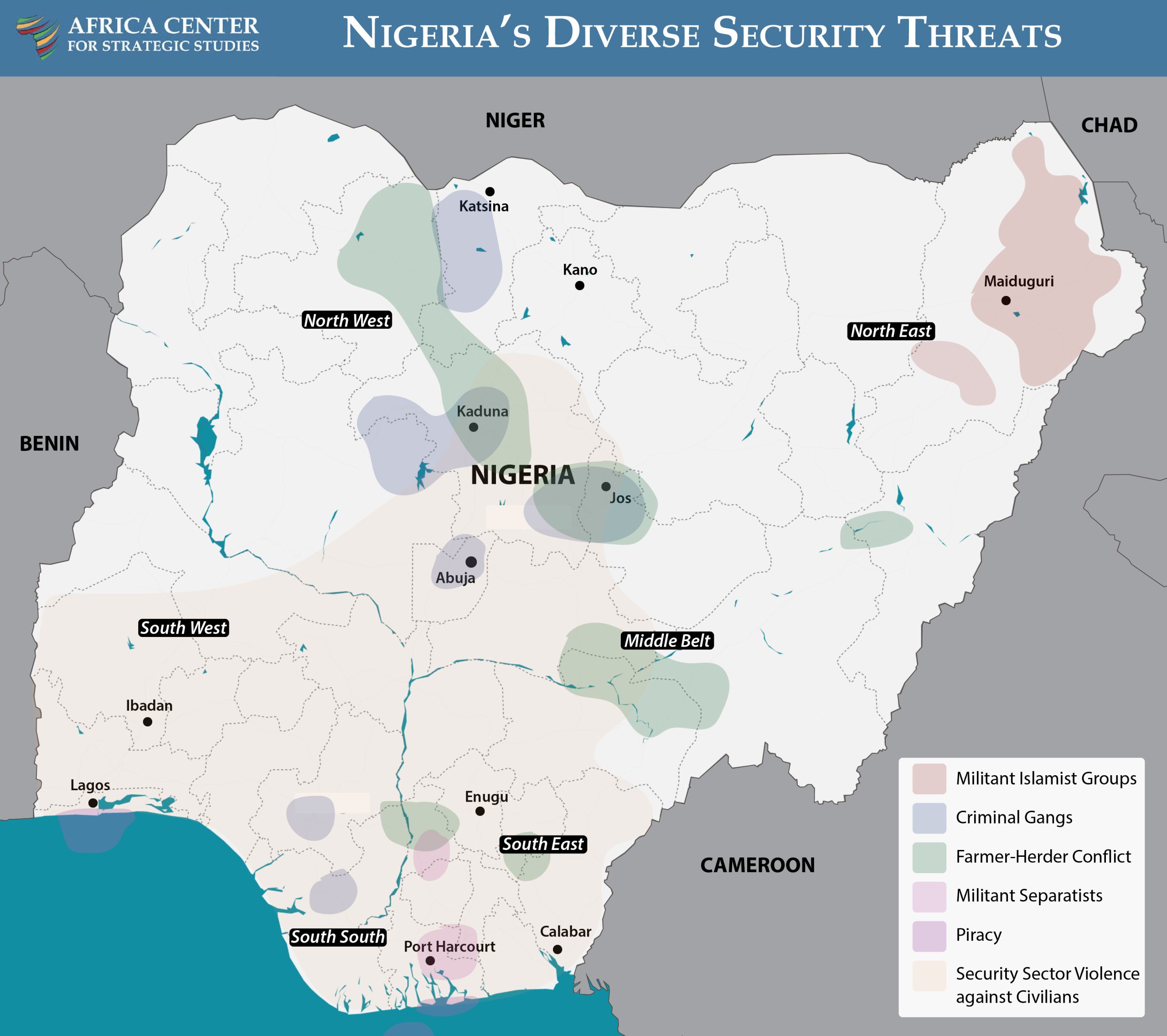
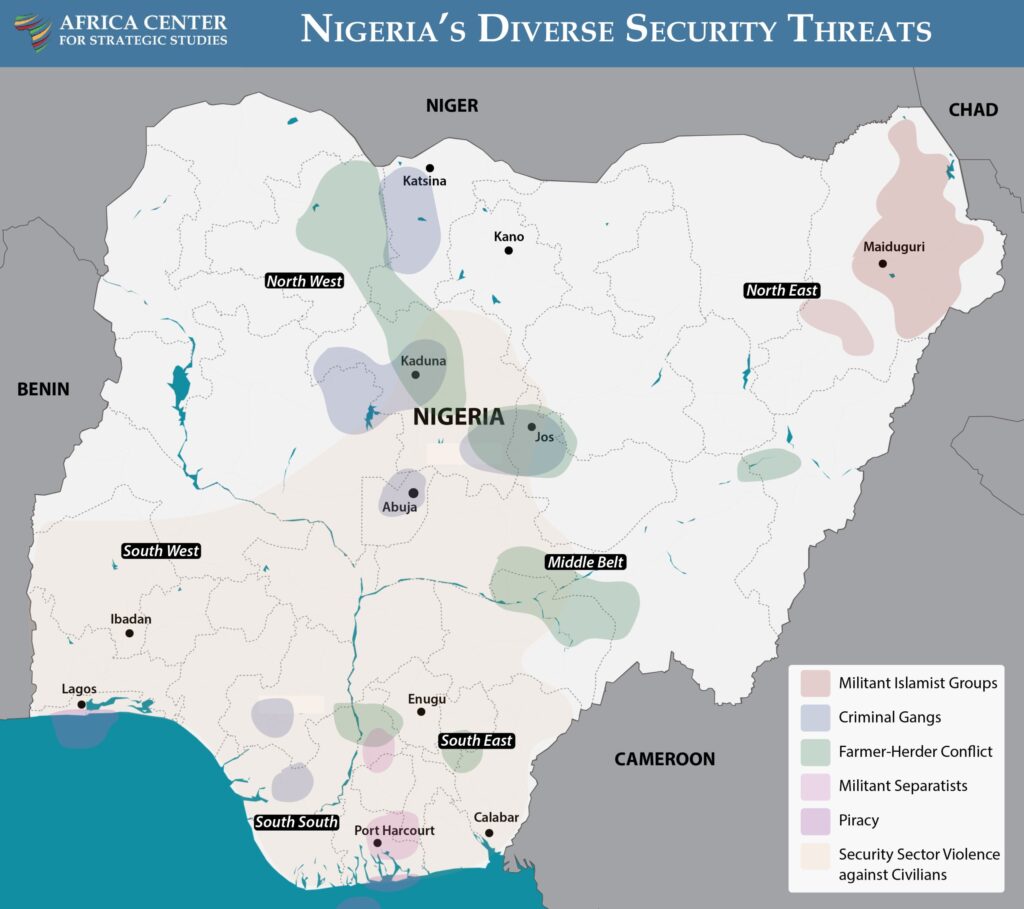
Recent security alerts across regions issued by local authorities and community groups point to a widening arc of instability stretching across northern Nigeria. In the North-West, bandit groups continue to operate along forest corridors, while in the North-Central, criminal gangs and armed militias have intensified attacks on road users and farming communities.
Security analysts warn that these overlapping threats are blurring traditional conflict lines. What began years ago as isolated rural banditry has evolved into a complex web of kidnapping-for-ransom operations, commuter ambushes, and targeted attacks on villages perceived as vulnerable.
🚗 Attacks on Commuters Deepen Public Anxiety
One of the most troubling dimensions of the current insecurity in Nigeria is the growing frequency of attacks on commuters. Major inter-state highways linking Abuja to Kaduna, Lokoja, Jos, and Makurdi have increasingly become danger zones.
Commercial drivers recount incidents of sudden roadblocks, gunfire, and forced abductions. For many Nigerians, routine travel now involves informal security assessments, convoy movement, or complete avoidance of certain routes.
Transport unions have repeatedly warned that unchecked violence on highways threatens national mobility, trade flows, and food supply chains.
🧑🌾 Rural Communities Bear the Brunt
Beyond the highways, rural communities remain trapped at the epicentre of the crisis. Farmers in the North-Central complain that repeated raids have forced them off their lands, worsening food insecurity and economic hardship.
Community leaders in Benue and Niger states say entire villages have been displaced, with residents fleeing to nearby towns or IDP camps. The humanitarian burden, they argue, is steadily outpacing the capacity of local governments to respond.
🛡️ Calls for Stronger Security Deployment Grow Louder
As security alerts across regions multiply, civil society groups, traditional rulers, and lawmakers are renewing demands for more robust and coordinated security action. Central to these calls is the deployment of additional troops, improved intelligence gathering, and enhanced collaboration between federal and state security agencies.
Security experts also stress the need to secure forest reserves and ungoverned spaces that have become sanctuaries for armed groups. Without sustained presence in these areas, they warn, military gains will remain temporary.
🏛️ Government Response Under the Spotlight
Federal authorities insist that efforts are underway to address the evolving threat landscape. Defence officials point to ongoing operations targeting bandit camps and criminal networks, while state governments have announced localized security initiatives, including joint task forces and vigilante coordination.
However, critics argue that insecurity in Nigeria demands more than reactive deployments. They call for a long-term strategy combining security, economic inclusion, intelligence reform, and community engagement.
📊 Economic and Social Consequences of Persistent Insecurity
While some sectors of the economy have shown signs of recovery, the persistence of security alerts across regions threatens to undermine fragile progress. Investors remain cautious, transport costs continue to rise, and agricultural output faces recurring disruptions.
Education has also suffered, with schools in affected areas repeatedly shut down over safety concerns. Parents say the fear of abduction has forced many children out of classrooms, deepening social inequality.
🔮 What Lies Ahead
As Nigeria navigates a complex security environment, the path forward remains uncertain. Analysts agree that addressing insecurity in Nigeria will require sustained political will, clear accountability, and trust-building between security agencies and communities.
For millions of Nigerians across the North and North-Central, the hope is simple: that security alerts across regions will give way to stability, safe travel, and the freedom to live without fear.
Until then, the nation watches closely, aware that the cost of inaction will be measured not just in statistics, but in lives disrupted and futures delayed.
Security alerts across regions.
https://www.premiumtimesng.com/category/security
Security alerts across regions.