













Nigerian military submits probe report on 16 detained officers
Nigeria’s military high command has formally submitted the findings of its internal investigation into 16 officers detained over alleged coup-related activities to President Bola Ahmed Tinubu, a development that places the nation’s civil–military relationship under renewed public and institutional scrutiny.
The submission of the probe report marks a critical moment in a case that has quietly generated anxiety within security circles, political institutions, and the wider public, particularly against the backdrop of regional instability and recent military takeovers across parts of West Africa.
While official details of the report remain classified, multiple senior defence and government sources confirmed that the document was transmitted to the President through the Office of the National Security Adviser, following weeks of interrogation, intelligence review, and internal military assessment. Nigerian military submits probe report on 16 detained officers
The focus keyword “Nigerian military submits probe report on 16 detained officers” has now moved from rumour to formal state action, elevating the issue from speculation to a matter of national consequence.
How the Allegations Emerged
The controversy began quietly late last year, when the Armed Forces detained a group of senior and mid-level officers over what was described internally as “conduct incompatible with military ethics and constitutional loyalty.”
At the time, defence authorities avoided public disclosure, fuelling speculation about the nature of the alleged offences. However, as regional coups unfolded in neighbouring Sahelian states, attention increasingly turned inward, with questions raised about Nigeria’s internal military cohesion.
By early this year, confirmation emerged that 16 officers were under investigation, prompting the establishment of a high-level military panel mandated to determine whether the actions amounted to:
• Coup plotting
• Subversion
• Breach of oath
• Or serious disciplinary infractions
The fact that the Nigerian military submits probe report on 16 detained officers directly to the President underscores the sensitivity and gravity of the matter.
What the Probe Examined
According to defence sources familiar with the process, the investigation focused on several key areas:
• Communication records and intelligence intercepts
• Movement patterns and unofficial meetings
• Links to retired officers or external actors
• Expressions or actions suggesting unconstitutional intent
• Breaches of operational command discipline
The panel reportedly comprised senior officers from different service branches, legal officers from the Judge Advocate General’s unit, and intelligence specialists.
Importantly, the military leadership has maintained that the process was internal, professional, and devoid of political interference.
Still, analysts note that once the Nigerian military submits probe report on 16 detained officers to the civilian Commander-in-Chief, the matter transitions from internal discipline to constitutional oversight.
https://ogelenews.ng/nigerian-military-probe-report-16-detained-officers
Tinubu’s Role as Commander-in-Chief
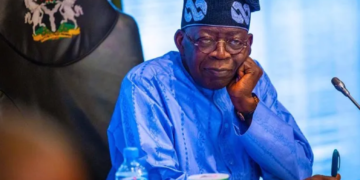
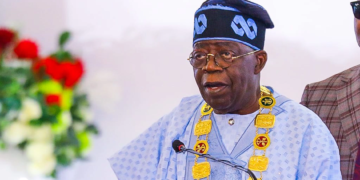
President Bola Ahmed Tinubu now holds the final authority on the next steps, which may include:
• Approval of court-martial proceedings
• Directive for further intelligence review
• Referral to civilian courts
• Or, in rare circumstances, clemency or administrative resolution
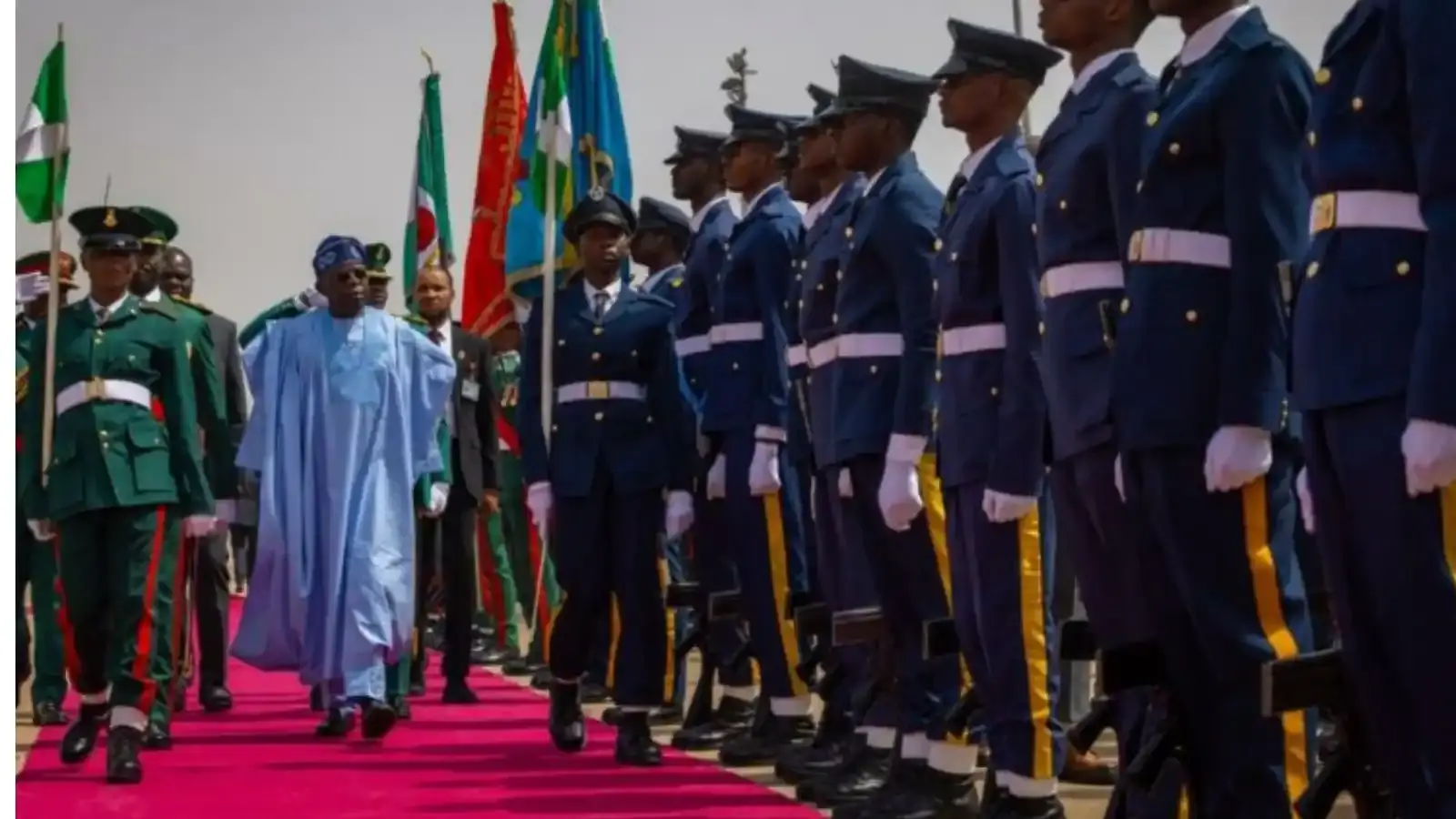
Presidency sources say Tinubu has been briefed on the security implications of the findings and is expected to consult widely with national security institutions before authorising any action.
For a government that has repeatedly stressed its commitment to democratic rule, the fact that the Nigerian military submits probe report on 16 detained officers is being handled within constitutional boundaries is a deliberate signal of restraint and institutional maturity.
Why the Case Matters Beyond the Barracks
This case arrives at a time when Nigeria is keenly aware of its role as a stabilising force in West Africa. Military coups in Mali, Burkina Faso, Niger Republic, and Guinea have reshaped the regional security landscape and tested democratic norms.
Nigeria’s own history of military rule makes any allegation of coup-related activity particularly sensitive.
Security experts say transparency, due process, and civilian oversight are crucial.
“If Nigeria mishandles this, it sends the wrong signal both domestically and regionally,” said a retired senior officer. “The fact that the Nigerian military submits probe report on 16 detained officers to the President is the correct constitutional route.”
Military Leadership Emphasises Loyalty to Civil Rule
Senior defence officials have moved swiftly to reassure the public and international partners that the Armed Forces remain firmly committed to democracy.
In private briefings, military chiefs reportedly reiterated that:
• There is no institutional sympathy for unconstitutional actions
• Loyalty to the Constitution remains absolute
• The investigation reflects vigilance, not instability
This messaging aligns with recent public statements by defence leaders emphasising subordination to civilian authority.
Still, observers note that silence around the contents of the probe fuels public curiosity and speculation.
Legal Pathways and Possible Outcomes
If the report establishes credible evidence of coup plotting or subversion, the detained officers could face:
• Court-martial under the Armed Forces Act
• Dismissal from service
• Imprisonment
• Loss of rank and benefits
Alternatively, if the allegations fall short of coup-related offences, administrative sanctions or release may follow.
Legal analysts caution that any outcome must be rooted in evidence and due process to avoid politicisation.
“The danger is not prosecution,” a constitutional lawyer noted. “The danger is opacity. Nigerians deserve to know that justice is done, even if details remain classified.”
The moment the Nigerian military submits probe report on 16 detained officers, the balance between secrecy and accountability becomes delicate.
Political and Public Reactions
So far, political leaders have largely avoided inflammatory commentary, a move analysts say reflects lessons learned from regional instability.
Civil society groups, however, have begun calling for:
• Assurance of fair trial
• Protection of whistleblowers
• Transparency on the legal framework guiding decisions
Social media reaction has been mixed, ranging from calls for decisive action to caution against overreaction.
A Test of Nigeria’s Democratic Resilience
Beyond the fate of the 16 officers, the case represents a broader test of Nigeria’s democratic resilience.
How the Presidency responds after the Nigerian military submits probe report on 16 detained officers will shape:
• Civil–military relations
• International confidence
• Domestic trust in institutions
For a nation navigating economic reforms, security challenges, and regional leadership responsibilities, stability within the Armed Forces remains non-negotiable.
What Comes Next
Presidency insiders suggest the President will study the report carefully before issuing directives, with decisions expected in the coming weeks.
Until then, the detained officers remain in custody, and the military maintains operational silence.
As Nigeria watches closely, one thing is clear: this is not just a military matter. It is a constitutional moment.
Final Perspective
The submission of the probe report closes one chapter and opens another. Whether it leads to prosecution, exoneration, or reform, the process itself matters.
In choosing institutional process over panic, Nigeria has taken the correct first step.
What follows will define the credibility of its democratic guardrails.