












Electoral reforms: Nigerians groan as Senate reopens old wounds
Nigerians are reliving familiar anxieties about election credibility after the Senate’s latest handling of the Electoral Act amendment reopened a fault line that has refused to heal since the 2023 general elections. The backlash is being driven by one issue: whether the law should compel real-time electronic transmission/upload of polling unit results or leave that decision to the discretion of the Independent National Electoral Commission (INEC). 
At the heart of the storm is Section 60 of the amendment, the portion dealing with the transmission of results. The Senate’s decision to drop a clause widely interpreted as mandating real-time transmission triggered outrage online and off, with critics warning that the legislature is “reopening old wounds” created by disputes around result upload failures and delayed transparency in the last general election cycle. In the language many citizens now use, Electoral reforms: Nigerians groan as Senate reopens old wounds. 
What the Senate did, and why Nigerians are angry
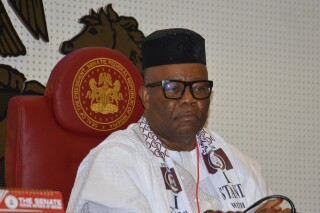
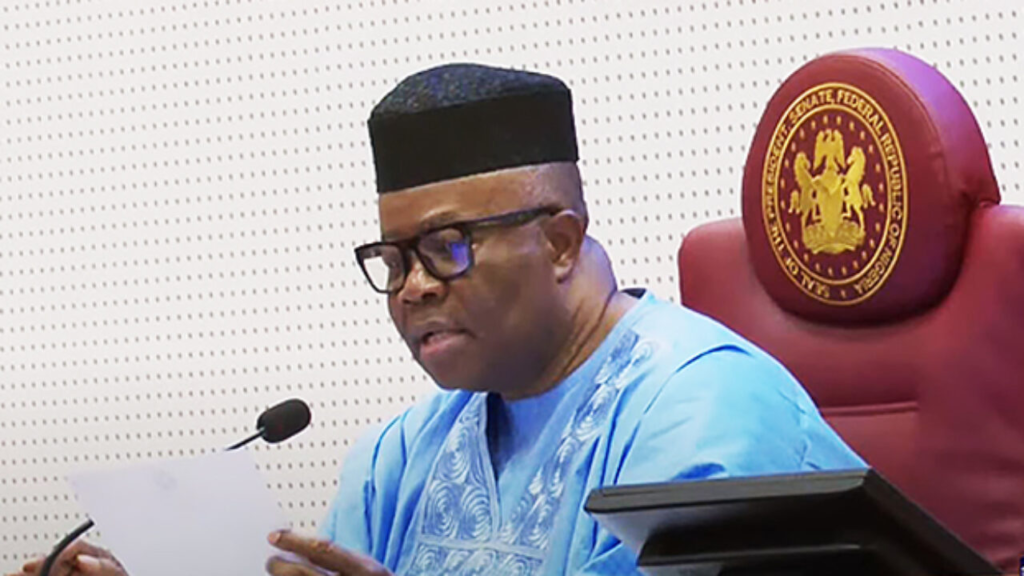
Reports tracking the debate indicate that the controversy erupted after senators moved against a provision framed by reform advocates as a guarantee of mandatory real-time upload of results from polling units. Soon after, Senate President Godswill Akpabio pushed back on the public narrative, insisting the Senate did not “reject electronic transmission,” but rather retained what he described as the existing provision for electronic transmission already in the law. 
That defence has not calmed nerves. For many Nigerians, the problem is not whether the words “electronic transmission” still appear somewhere in the Act, but whether the law forces real-time upload in a way that limits discretion and reduces room for political manoeuvre when elections become tense. That is why Electoral reforms: Nigerians groan as Senate reopens old wounds is resonating beyond activist circles. 
Protests move from social media to the gates of the National Assembly
By Monday, civic anger had spilled into the streets. Demonstrators gathered around the National Assembly under the “Occupy National Assembly/Occupy NASS” banner, demanding that lawmakers restore a mandatory e-transmission framework ahead of the 2027 elections. Security presence around the complex was visibly reinforced as the protest kicked off. 
The protest has become the sharpest physical expression yet of the mood captured in Electoral reforms: Nigerians groan as Senate reopens old wounds: a public insistence that Nigeria cannot afford another election season dominated by disputed uploads, delayed visibility, and courtroom battles over what should have been settled transparently at polling unit level. 
Emergency plenary, and a Senate under pressure
The intensity of the backlash has also pushed the Senate into damage-control mode. Reports indicate the upper chamber moved toward an emergency plenary amid the looming protests and widening criticism, a sign that the politics around the amendment has become too hot to ignore. 
This matters because election law is not just paperwork; it shapes public confidence long before ballots are printed. When lawmakers appear to retreat from clearer safeguards, voters read it as a warning signal. In that climate, Electoral reforms: Nigerians groan as Senate reopens old wounds becomes more than a headline, it becomes a summary of national memory: citizens remember what happened last time, and they do not want a repeat. 
https://ogelenews.ng/electoral-reforms-senate-reopens-old-wounds
The split among experts
Even within the reform community, there is debate about what is operationally realistic. A Punch report cites a former INEC national commissioner, Dr Mustapha Lecky, questioning the logic of “instantaneous” live transmission from polling areas in a system that still relies heavily on manual voting and varied network coverage. 
That argument is also being amplified by those who warn that a rigid legal mandate could produce litigation if technical failures occur in remote areas. But activists counter that the point of law is to set a standard, then compel the state to build capacity to meet it, rather than lower the standard to fit existing weaknesses. This clash is the engine behind Electoral reforms: Nigerians groan as Senate reopens old wounds. 
Why this fight is not going away
INEC’s result viewing technology and the politics around uploads have become symbolic: they represent whether elections can be verified by citizens in near real time, reducing the fear of alteration during collation. TheCable’s explainer on the Senate’s position frames the issue as central to the credibility tests Nigeria faces heading into 2027. 
In practical terms, this debate will shape party strategies, voter confidence, and the temperature of the next election cycle. If the Senate’s final position is seen as watered down, civic groups are likely to sustain pressure. If it hardens into a strict mandate without adequate preparation, INEC and security agencies will face operational strain. Either way, Electoral reforms: Nigerians groan as Senate reopens old wounds captures the political reality: Nigeria is still negotiating the rules of trust. 
For now, what is clear is that the Senate’s handling of Section 60 has revived public suspicion at the worst possible time: when the country needs consensus on credible rules, not another cycle of arguments about whether results were seen when they should have been seen.
https://punchng.com/electoral-reforms-nigerians-groan-as-senate-reopens-old-wounds
Electoral reforms: Nigerians groan as Senate reopens old wounds