

















NRC boosts Abuja–Kaduna train trips to meet rising demand
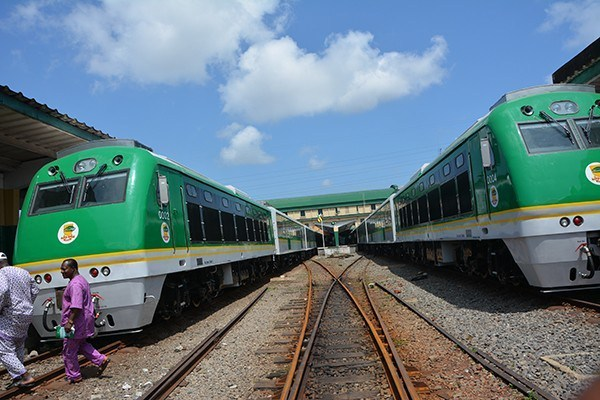
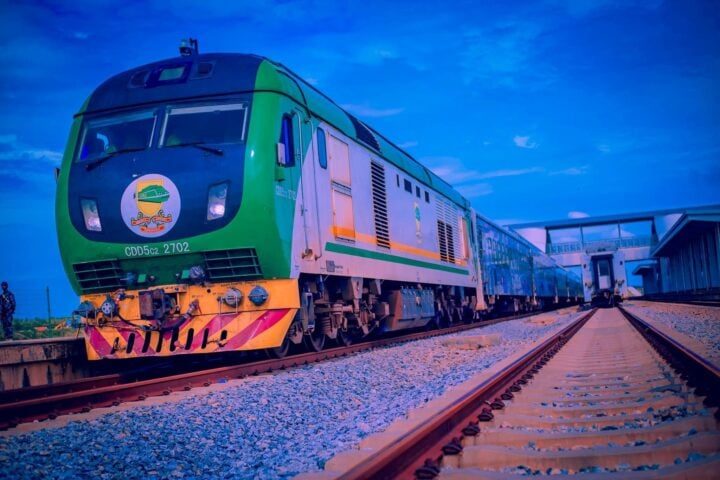
NRC boosts Abuja–Kaduna train trips to meet rising demand as the Nigerian Railway Corporation (NRC) announced an expanded timetable for the Abuja–Kaduna Train Service (AKTS), citing rising passenger traffic and sustained commuter pressure on the corridor.
The new schedule, contained in a statement signed by NRC’s Chief Public Relations Officer, Callistus Unyimadu, takes effect from Friday, March 6, 2026, and is aimed at providing more travel options, improving operational flexibility, and strengthening service delivery on the route.
In simple terms, NRC boosts Abuja–Kaduna train trips to meet rising demand by restoring more departures across the week, after months of constrained operations linked to earlier disruptions.
What changed and when it starts
The NRC says commuters travelling between Idu (Abuja) and Rigasa (Kaduna) will now have three trips on Fridays and Sundays, and also three trips on Saturdays and Mondays, while two trips will operate on Tuesdays and Thursdays.
That means NRC boosts Abuja–Kaduna train trips to meet rising demand using a day-by-day template, rather than a flat daily schedule.
https://ogelenews.ng/nrc-boosts-abuja-kaduna-train-trips
Why NRC says it reduced trips before now
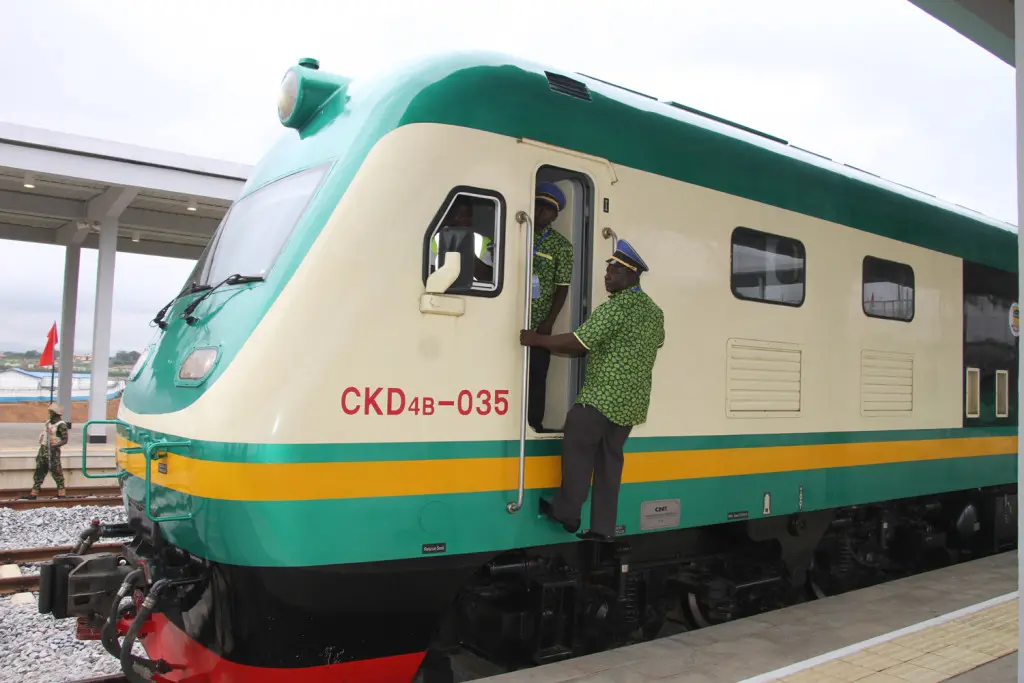
NRC linked the previous constraints on the corridor to two major incidents: the March 28, 2022 bomb blast on the Abuja–Kaduna rail line and the August 26, 2025 derailment.
According to the corporation, those disruptions led to:
- a reduction in rolling stock from three to one,
- the introduction of Temporary Speed Restrictions (TSR) for safety, and
- an adjustment in the number of daily trips.
The corporation now says stability has been restored, demand remains strong, and some temporary speed restrictions had already been relaxed earlier, creating room for more trips.
That context matters because it explains why NRC boosts Abuja–Kaduna train trips to meet rising demand is not just “more trains,” but a signal that operations are being gradually normalized.
What commuters should watch closely
For daily users, the most important practical changes are:
- More options on peak days (Friday through Monday), when demand usually spikes.
- A clear two-trip structure on Tuesdays and Thursdays, which commuters can plan around.
- Kubwa stop confirmation, which affects boarding patterns and time planning for people connecting from satellite towns in Abuja.
The NRC also reiterated its commitment to improving capacity, reliability, safety and overall passenger experience across its network.
And yes, NRC boosts Abuja–Kaduna train trips to meet rising demand will be judged by whether overcrowding eases and ticket access becomes more predictable.
The bigger picture: why this corridor stays under pressure
The Abuja–Kaduna rail service remains a major alternative to the highway for many travellers, especially amid security concerns and rising road transport costs. When rail capacity tightens, queues and overcrowding build fast.
By expanding the timetable now, NRC boosts Abuja–Kaduna train trips to meet rising demand in a way that should reduce pressure during peak windows, if ticketing and boarding processes keep pace.
What happens next
NRC has not announced fare changes in this update. The focus is frequency and timetable clarity, with safety still central due to the corridor’s recent history.
For commuters, the next test is simple: whether the new timetable holds consistently from March 6, 2026, and whether the extra trips translate into shorter waits and less congestion at Idu and Rigasa.
Until then, the official position remains the same: NRC boosts Abuja–Kaduna train trips to meet rising demand, and passengers should plan their travel based on the revised schedule.