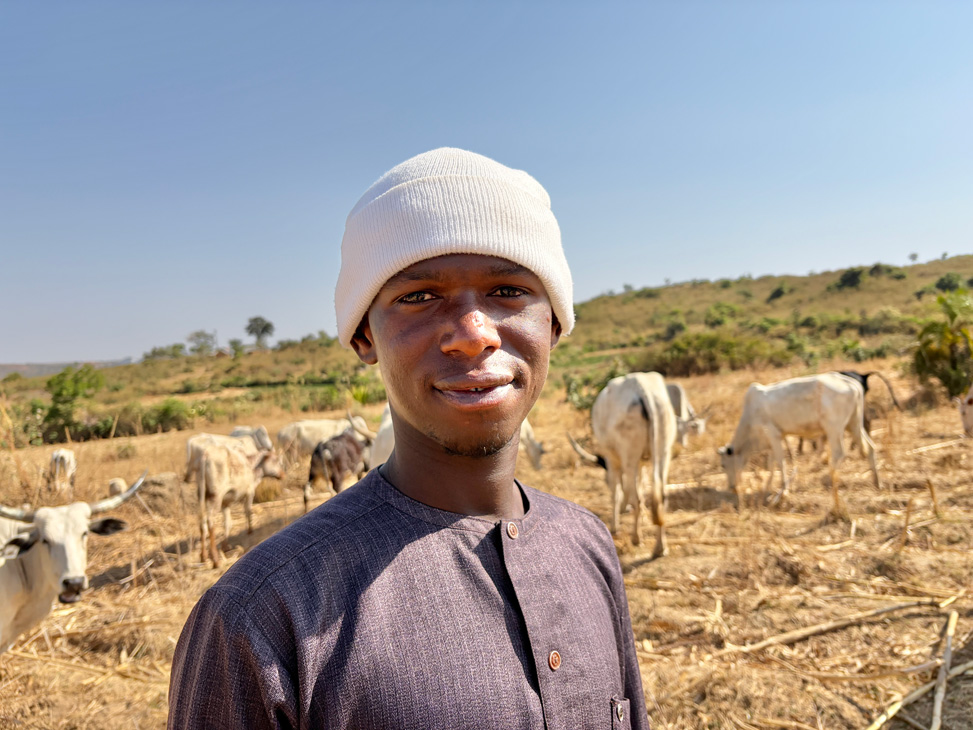















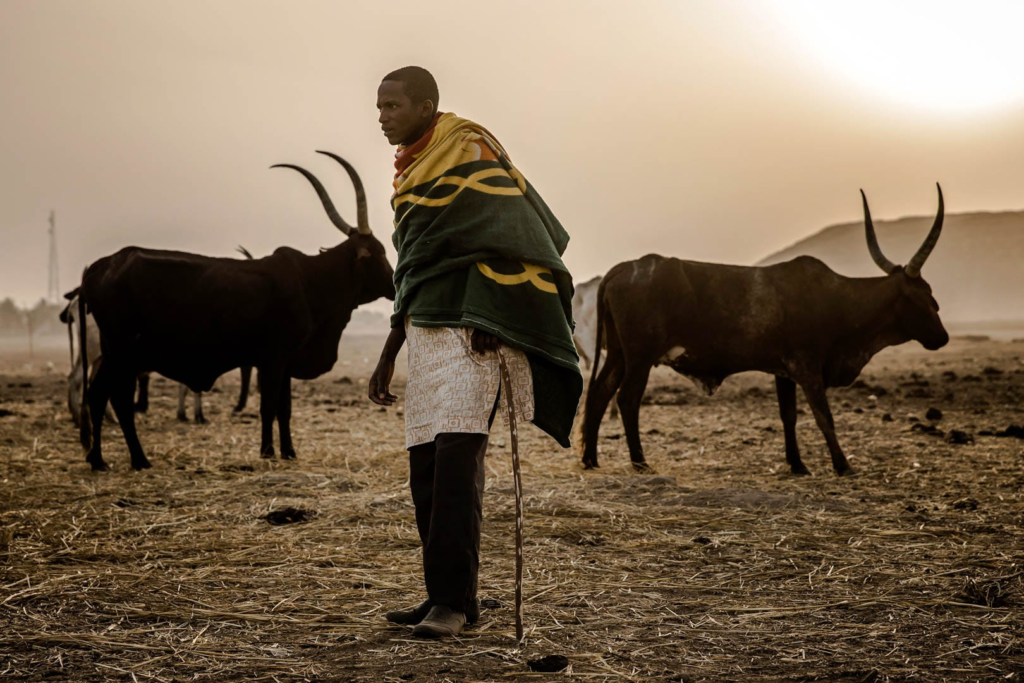
Plateau stakeholders unveil roadmap to end farmers-herders crises
Stakeholders in Plateau State have unveiled a new peace roadmap aimed at ending the long-running violence between farmers and herders, in what many hope could become a more practical shift from endless rhetoric to structured conflict prevention. The initiative, launched in Jos, is designed to help communities manage disputes over land and natural resources before they escalate into bloodshed.
The development comes against a painful backdrop. According to current reports, more than 11,000 to 12,000 people have been killed in Plateau State over the past two decades, with over 420 communities attacked and thousands displaced. The violence has devastated livelihoods, deepened mistrust, and turned many once-productive rural communities into zones of recurring fear. That is why the moment Plateau stakeholders unveil roadmap to end farmers-herders crises is more than a ceremonial event. It is a response to one of the state’s most stubborn and destructive conflicts.
At the launch held at the headquarters of the Plateau State Peace Building Agency in Jos, officials described the document as a major step toward peace. The agency’s leadership said the roadmap is meant to sustain serious conversation around the farmer-herder conflict and move that conversation toward solutions. The focus, they explained, is not random. The farmer-herder crisis has become the dominant narrative around Plateau and several other affected states, and that makes targeted intervention necessary.
What gives the initiative weight is that it is not being sold as a vague appeal for peace. Reports say the guideline was developed from both desk and field research and combines global best practices with local realities on the Plateau. According to HiiL’s country office, the process involved farmers, herders, traditional leaders, religious leaders, and other local stakeholders. That matters because peace documents drafted far from the communities they are meant to serve often fail at the first test of trust. This one appears to have been shaped with local input.
https://ogelenews.ng/plateau-stakeholders-unveil-roadmap-to-end-farmers-…
The core issue the roadmap seeks to address is the struggle over land and other natural resources. Programme officials said research showed that many of the pressures pushing communities toward violence are tied to resource use, especially land. The document is therefore intended to equip community actors with tools to prevent and resolve such disputes in ways that are fair, just, and transparent. When Plateau stakeholders unveil roadmap to end farmers-herders crises, the real test is whether those tools can work in villages where trust has already been broken by years of killings and reprisals.
That question becomes even sharper because the launch was overshadowed by fresh violence. Reports say that on the same Tuesday night, gunmen stormed Rim Village in Riyom Local Government Area and killed two people. That grim detail strips away any illusion that policy language alone can solve the crisis. Peacebuilding in Plateau is taking place in real time, under the shadow of ongoing attacks. So when Plateau stakeholders unveil roadmap to end farmers-herders crises, they are doing so in a state where insecurity is not history. It is still present tense.
There are reasons for cautious optimism. In February 2026, farmers and herders in six rural communities across Bokkos and Riyom signed 25 peace agreements aimed at ending recurring killings and rebuilding trust. That earlier effort suggested that community-level accords are still possible, even in places scarred by violence. The new roadmap appears to build on that same idea: that lasting peace will not come only from security deployments, but from practical mechanisms that help communities settle disputes before they become deadly.
Still, experience demands realism. Plateau has seen committees, reports, visits, appeals, and declarations before. A fact-finding committee set up under Governor Caleb Mutfwang had already attributed the violence to a mix of land competition, historical grievances, and ethnic mistrust. None of those causes is simple. None will disappear because a document has been launched. For this reason, the significance of the moment Plateau stakeholders unveil roadmap to end farmers-herders crises lies not in the unveiling itself, but in whether local institutions, community leaders, and state authorities will follow through.
What ordinary people in Plateau need now is not another headline about peace. They need proof that peace can hold through a planting season, through grazing disputes, through rumours, through retaliation, and through the dangerous politics that often feed communal violence. That is the real burden of this roadmap. It must move from paper to practice.
In the end, the story is not just that Plateau stakeholders unveil roadmap to end farmers-herders crises. It is that Plateau, after burying thousands and watching hundreds of communities come under attack, is once again trying to choose prevention over mourning. Whether that choice holds may determine not just the future of farmers and herders, but the future of social stability in one of Nigeria’s most troubled conflict zones.
https://punchng.com/stakeholders-outline-roadmap-to-tackle-jigawa-farmers-herders-clash/?utm_source