














police crackdown on Lagos anti-demolition protesters
There is growing public outrage following a forceful police crackdown on Lagos anti-demolition protesters, an incident that has reignited debate over urban renewal policies, citizens’ rights, and the use of force by security agencies in Nigeria’s commercial capital.
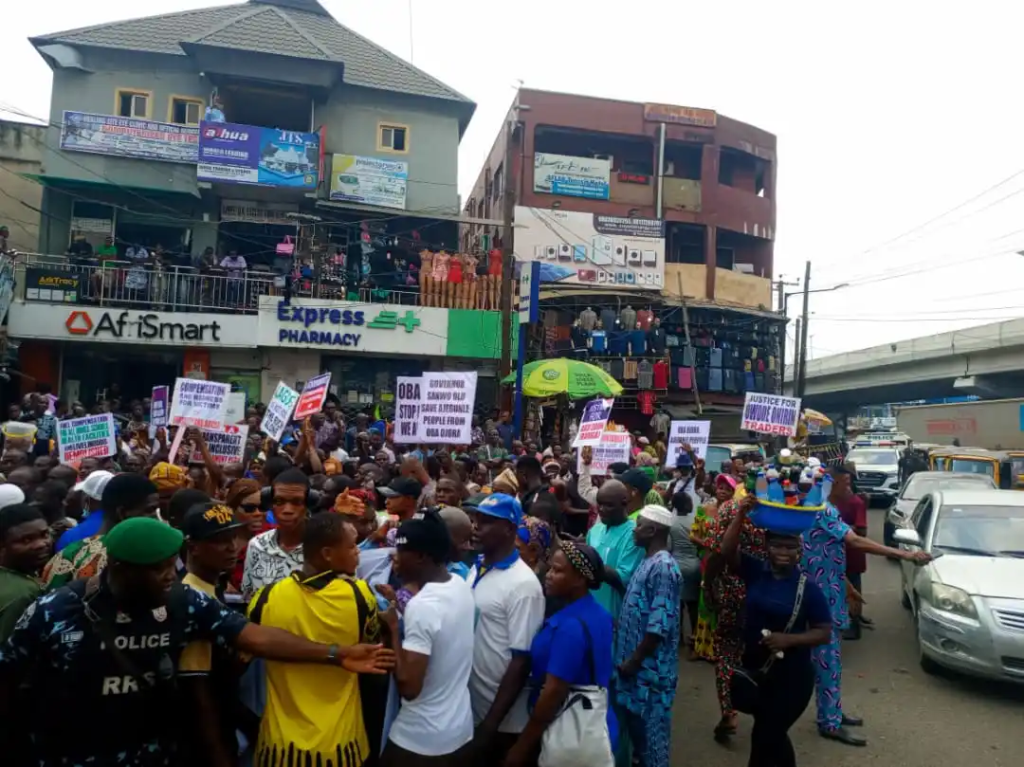
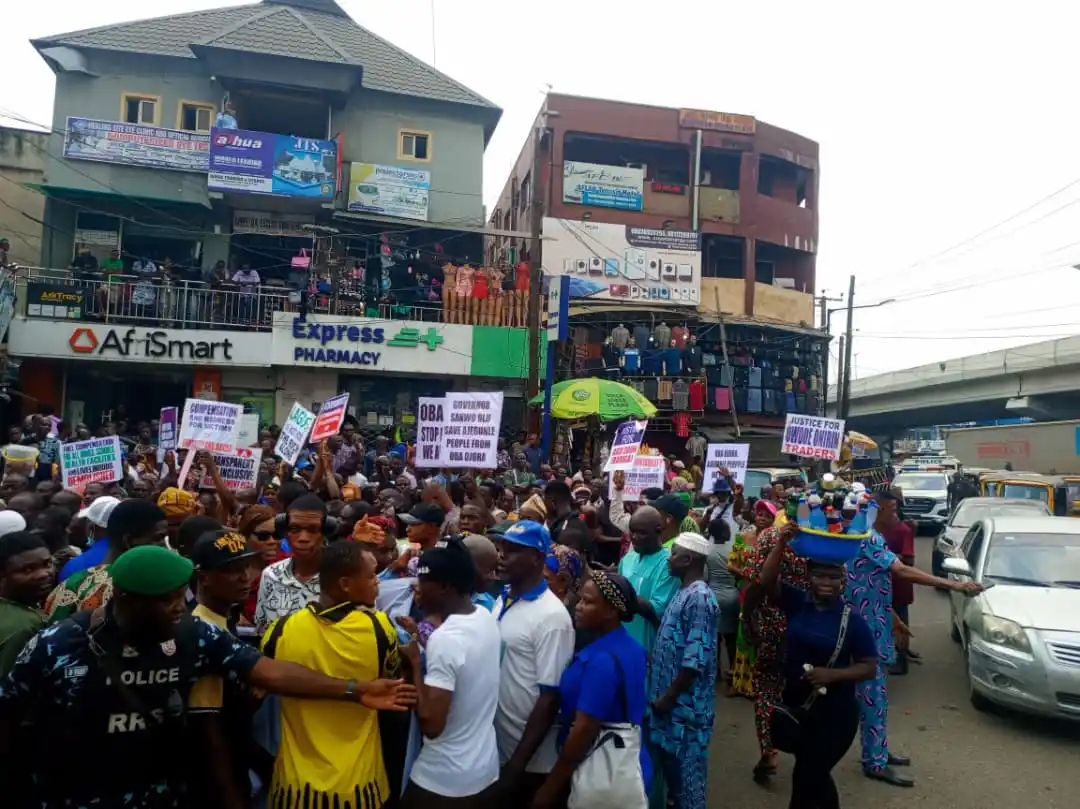
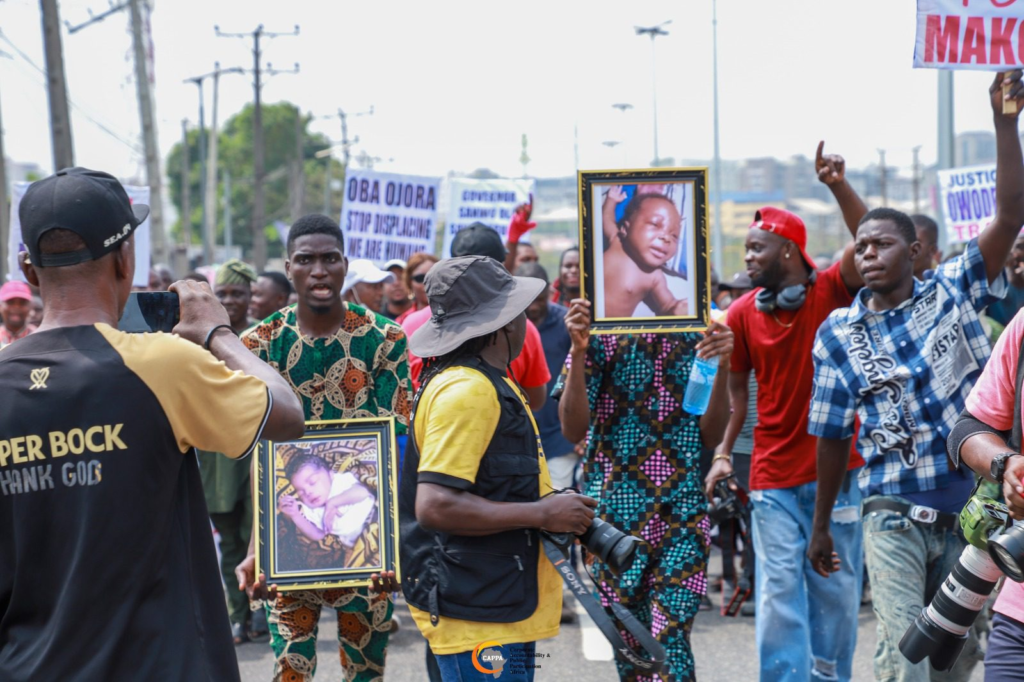
The confrontation, which unfolded in parts of Lagos during protests against planned demolitions, saw security operatives disperse demonstrators who had gathered to oppose the destruction of residential and commercial properties. Videos and eyewitness accounts circulating online show police officers firing tear gas and using physical force to break up crowds, triggering widespread condemnation from civil society groups, residents, and legal observers.
The police crackdown on Lagos anti-demolition protesters has since become a focal point of national discourse, raising questions about due process, engagement with affected communities, and the broader human cost of development-driven evictions.
What Triggered the Lagos Anti-Demolition Protest
Residents affected by proposed demolitions had taken to the streets to express frustration over what they described as inadequate notice, lack of compensation, and absence of meaningful dialogue with government authorities.
According to protesters, many families stand to lose homes and livelihoods built over decades. Traders warned that demolitions would erase their only source of income, while tenants said relocation plans were either unclear or nonexistent.
The protest, organisers said, was intended to be peaceful. Placards bearing messages such as “Homes Are Not Illegal” and “Development Without Displacement” were raised as demonstrators marched through designated areas.
However, the situation escalated when police units moved in to disperse the crowd.
Police Crackdown Sparks National Outrage
The police crackdown on Lagos anti-demolition protesters quickly drew condemnation across social media platforms, with many Nigerians accusing authorities of criminalising dissent instead of addressing legitimate grievances.
Human rights advocates argued that the use of force against unarmed civilians violated constitutional rights to peaceful assembly. Several lawyers also pointed out that Nigerian law requires due process and humane engagement in cases of eviction and demolition.
“This is not crowd control; this is intimidation,” a Lagos-based rights activist said. “The police crackdown on Lagos anti-demolition protesters sends a dangerous signal that citizens cannot question government decisions.”
Medical volunteers reported treating individuals affected by tear gas exposure, while some protesters claimed they were beaten or briefly detained.
Police Response and Official Silence
As criticism mounted, police authorities defended their actions, stating that the protest posed a security risk and obstructed public movement. According to a brief statement, officers were deployed to “restore order” after protesters allegedly refused to disperse.
However, critics argue that the explanation does little to justify the scale of force used. Calls for transparency have intensified, with demands for the release of operational directives authorising the crackdown.
The lack of immediate response from state authorities has further fueled public anger. Observers note that silence from government officials often deepens mistrust during sensitive incidents involving civilians and security forces.
Urban Renewal or Forced Displacement?
At the heart of the controversy is a long-standing tension between urban development and social justice. Lagos has pursued aggressive renewal projects aimed at decongesting the city, improving infrastructure, and reclaiming land deemed illegal.
But critics argue that these policies disproportionately affect low-income communities.
The police crackdown on Lagos anti-demolition protesters has amplified concerns that urban planning is being executed without sufficient safeguards for vulnerable populations. Analysts warn that forced evictions without adequate resettlement plans risk worsening poverty and social instability.
Urban planners have also cautioned that sustainable development requires consultation, not confrontation.
https://ogelenews.ng/police-crackdown-lagos-anti-demolition-protesters
Civil Society and Legal Community React
Several civil society organisations issued statements condemning the incident, urging authorities to halt demolitions pending dialogue. Legal experts highlighted that Nigerian courts have repeatedly ruled against arbitrary evictions without compensation or court orders.
“The police crackdown on Lagos anti-demolition protesters is not just a policing issue,” a senior lawyer noted. “It is a governance failure.”
Some groups have announced plans to provide legal aid to affected residents, while others are pushing for an independent inquiry into the police conduct.
A Pattern of Forceful Protest Dispersal
This incident adds to a growing list of confrontations between security agencies and protesters across Nigeria. From labour protests to community demonstrations, the recurring use of force has raised alarm among rights monitors.
The police crackdown on Lagos anti-demolition protesters fits into a broader narrative of shrinking civic space, where dissent is increasingly met with enforcement rather than engagement.
Observers warn that unless addressed, such patterns could undermine public trust in law enforcement institutions.
What Comes Next
As outrage continues, pressure is mounting on Lagos State authorities to respond decisively. Protest leaders are calling for:
• Immediate suspension of demolitions
• Compensation and relocation plans for affected residents
• An independent review of police actions
For many Lagosians, the episode has become symbolic of deeper governance challenges in Africa’s largest city.
Whether authorities choose dialogue or further enforcement may shape public perception long after the tear gas clears.