














Ribadu Warns Political Actors Against Violence, Vote-Buying Ahead of Elections
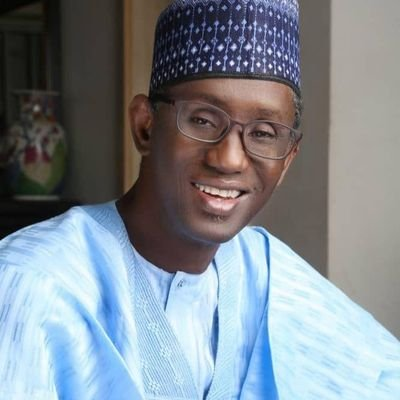
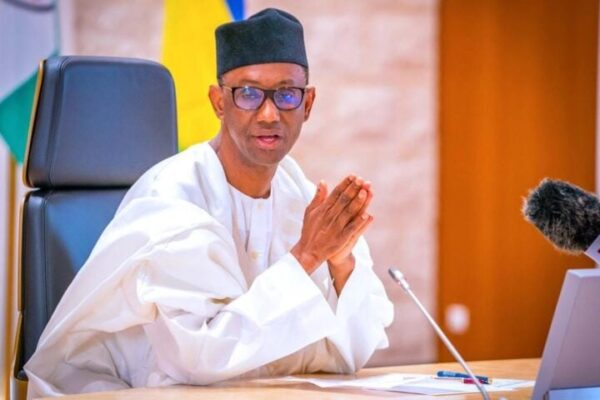
National Security Adviser Nuhu Ribadu has issued a sharp warning to political actors against the twin threats of violence and vote-buying ahead of several upcoming elections, urging all contestants and their supporters to respect democratic norms or face consequences under the law. In an announcement delivered during a high-level security meeting in the nation’s capital, Ribadu made clear that any actor with a history of disruption or inducement tactics would be identified, restrained and penalised before, during and after the polls. 
The warning comes as Nigeria prepares for the Federal Capital Territory (FCT) Area Council election and a series of by-elections slated for 21 February, including polls in Rivers and Kano states. Ribadu’s remarks were made at a meeting of the Inter-Agency Consultative Committee on Election Security (ICCES), convened by the Independent National Electoral Commission and attended by security chiefs, election officials and stakeholder representatives in Abuja. 
Speaking through his representative, the Director of Internal Security in the Office of the NSA, Hassan Abdullahi, Ribadu emphasised that the fight against electoral violence and inducement must be proactive and sustained, not reactive. “Political thugs and politicians with violent dispositions will be identified and reprimanded or restrained before, during, and after the election,” he said, adding that vote buyers would be traced and apprehended as part of a comprehensive strategy to uphold electoral integrity. 
A Clear Message to Political Actors
Ribadu’s warning reflects growing concern among Nigeria’s security and electoral leadership about the potential for unrest and manipulation as the country enters another cycle of competitive elections. Past electoral exercises have been marred by sporadic violence, disruptions at polling units and allegations of vote buying — a practice that erodes confidence in democratic outcomes. Security commanders attending the ICCES meeting noted that any act capable of undermining the electoral process would be met with decisive action. 
To mitigate these risks, the Nigeria Police Force, designated as the lead agency for election security, is coordinating with other enforcement bodies to deploy adequate personnel to polling stations and high-risk electoral wards. Authorities have also pledged to enhance intelligence gathering, improve surveillance and tighten coordination with community leaders to detect and deter threats before they escalate. 
“We are actively mobilising resources and implementing measures to prevent any action that would disrupt the electoral process,” Ribadu’s representative said, underscoring that citizens’ right to vote in peace is a non-negotiable aspect of democratic governance. 
Violence and Vote-Buying: Threats to Democracy
The political landscape in Nigeria is consistently tested by the twin challenges of intimidation and inducement. Violence at polling stations or during campaigns can frighten voters, suppress turnout and skew outcomes. Similarly, vote buying — the practice of exchanging cash or goods for votes — undermines the principle of free and fair choice. Civil society observers and election experts say that such tactics not only violate electoral laws but also deepen public cynicism about the value of citizens’ ballots. 
Security agencies say they are better prepared for the 2026 electoral cycle than in previous years, leveraging lessons learned from past exercises and strengthening operational frameworks that include cross-agency intelligence sharing and targeted deployments. Ribadu’s warning is intended to make it clear that those who seek to disrupt peace or manipulate outcomes will not operate with impunity. 
Role of Security Agencies and Electoral Bodies
INEC officials co-chairing the ICCES meeting reiterated their commitment to credible elections and applauded security agencies for their preparedness. INEC and its partners have emphasised that a peaceful election is not just the responsibility of the state but of political parties, candidates, voters and civil society. Collaborative engagement, they say, is essential to discourage malpractice and ensure a secure environment for voters and officials alike. 
In addition to federal efforts, state and local security commanders are reportedly stepping up patrols and community outreach in hotspots where tensions are historically higher during election periods. Observers say that proactive measures — such as community policing, voter education and local conflict mediation — can reduce the likelihood of violence and dissuade practices like vote buying. 
https://ogelenews.ng/ribadu-warns-political-actors-against-violence-vote…
Political Actors Urged to Respect Law and Decorum
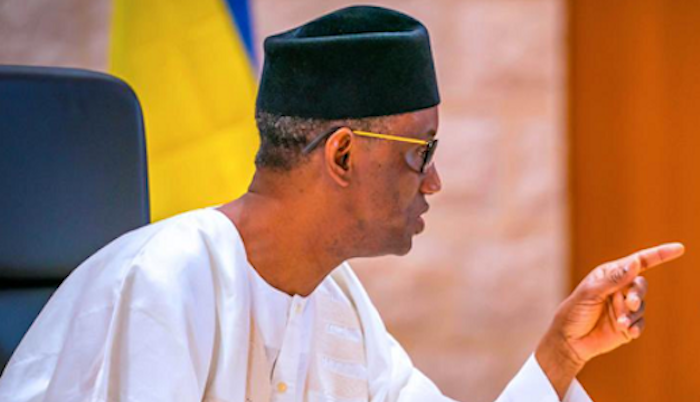
Ribadu’s guidance was clear: political parties, candidates and their supporters must conduct themselves with decorum and uphold the integrity of Nigeria’s democratic process or face consequences in accordance with the law. His office urged political actors to embrace peaceful competition, reject coercive tactics and commit to a process that reflects citizens’ will. 
The Inspector-General of Police, represented at the ICCES meeting, also pledged robust security deployment to ensure that INEC facilities, staff and voters can undertake their duties without fear of intimidation or violence. This multi-layered approach is part of a broader government effort to reassure Nigerians that electoral cycles can be free from chaos and manipulation. 
Looking Ahead
As the 21 February polls approach, analysts say that sustained pressure from security agencies, electoral bodies and civic organisations could help reduce the prevalence of violence and vote buying. However, they also note that political will and community engagement will be critical in translating warnings into action on the ground. 
For many Nigerians, Ribadu’s warning underscores a growing expectation that elections should not only be competitive but also peaceful and reflective of the true will of the people. Whether political actors heed this caution will be a key test of Nigeria’s democratic resilience — especially in the run-up to even larger national elections in 2027.