













Senate delay on Electoral Act
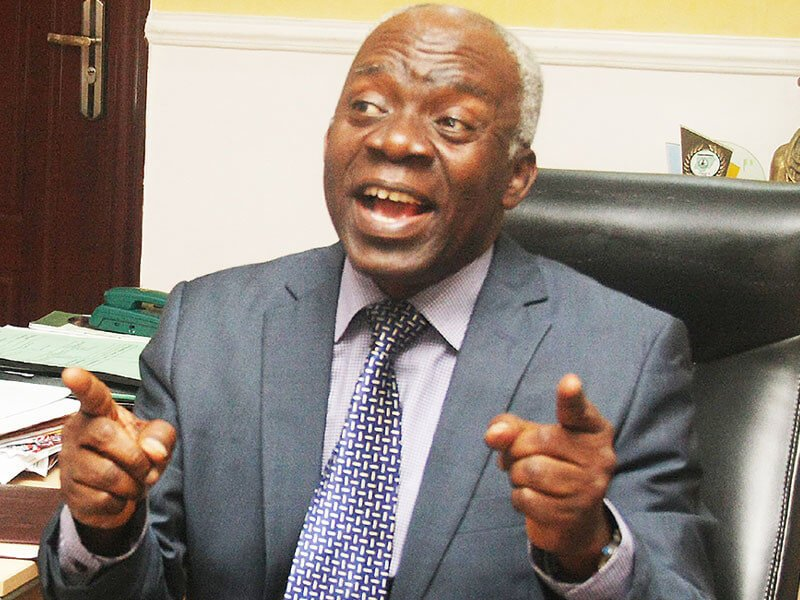
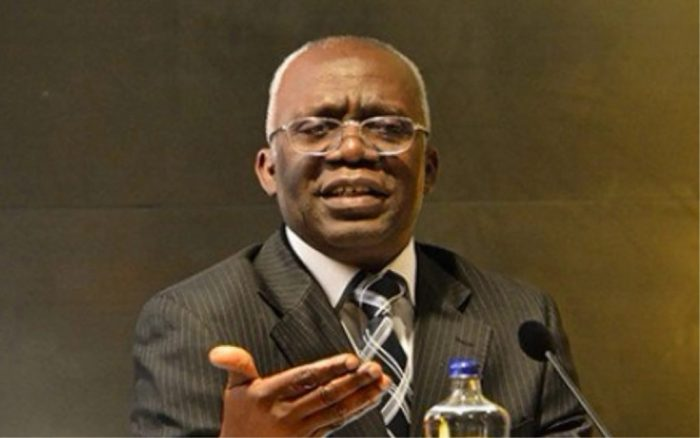
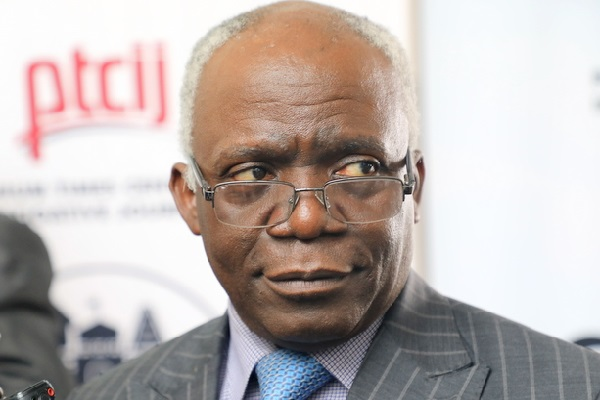
Nigeria’s march toward the 2027 general elections is already casting long shadows, and for human rights lawyer and constitutional advocate Femi Falana, one shadow stands out clearly: the National Assembly’s failure to urgently amend the Electoral Act.
Falana has described the delay by the Senate as dangerous, unnecessary, and potentially destabilising, warning that postponing electoral reforms until the eve of elections risks repeating Nigeria’s familiar cycle of confusion, litigation, and public distrust.
His criticism goes beyond partisan politics. It speaks to institutional memory, democratic discipline, and whether Nigeria has truly learned from past electoral crises.
Why the Electoral Act Matters Ahead of 2027
The Electoral Act is not just a legal document. It is the operating manual for Nigeria’s democracy. It defines:
• How elections are conducted
• How results are transmitted
• How disputes are resolved
• How candidates and parties are regulated
Every election cycle exposes weaknesses in this framework. The 2023 general elections were no exception, marked by disputes over electronic transmission, voter suppression allegations, and post-election litigation that dragged on for months.
According to Falana, delaying amendments to the Electoral Act until 2026 or later leaves too little time for:
• Proper implementation by the Independent National Electoral Commission (INEC)
• Voter education
• Judicial clarity
• Institutional adjustment
In his view, this is not just poor planning; it is democratic negligence.
Falana’s Core Argument: Reform Delayed Is Reform Denied
Falana’s criticism of the Senate’s delay on the Electoral Act rests on a simple logic. Electoral laws should be settled early, not negotiated under pressure.
He argues that when reforms are rushed:
• Political actors manipulate loopholes
• Electoral bodies struggle to comply
• Courts become battlegrounds for unclear laws
• Voters lose confidence in the system
For Falana, the delay sends the wrong signal at a time when public faith in institutions is already fragile.
Senate Silence and the Politics of Delay
Despite repeated calls from civil society groups, legal experts, and election observers, the Senate has yet to prioritise comprehensive amendments to the Electoral Act.
No clear legislative timeline has been communicated. No consolidated reform agenda has been publicly debated. This silence fuels suspicion.
Critics argue that delaying electoral reform often benefits incumbents who prefer flexibility, ambiguity, and last-minute rule changes. While the Senate has not officially stated its reasons, the absence of urgency is itself political.
Falana’s intervention forces the Senate into the spotlight, framing delay as a choice rather than an accident.
Lessons from Past Elections
Nigeria’s electoral history offers warnings written in ink and blood.
From the disputed elections of the Fourth Republic to the post-election violence of 2011, delayed reforms have often led to:
• Conflicting interpretations of electoral rules
• Overburdened courts
• Protests and unrest
• Prolonged governance uncertainty
Falana insists that the country cannot afford to relive these moments as 2027 approaches, especially amid economic pressure and rising political tension.
https://ogelenews.ng/2027-falana-senate-delay-electoral-act
INEC and the Cost of Uncertainty
Another casualty of delayed reform is INEC itself.
Electoral management bodies require:
• Legal certainty
• Budgetary planning
• Technical preparation
• Training cycles spanning years, not months
When the Electoral Act remains unsettled, INEC is forced to plan in the dark, adjusting strategies repeatedly as amendments loom.
Falana warns that this undermines professionalism and invites accusations of incompetence that are often rooted in legislative failure, not administrative weakness.
Public Trust and Democratic Fatigue
Perhaps the most dangerous consequence of delayed electoral reform is psychological.
Nigerians are tired.
Voter turnout has declined steadily. Cynicism is rising. Many citizens believe elections no longer reflect their will.
Falana argues that early, transparent reform of the Electoral Act could signal seriousness and restore a measure of confidence. Delay, on the other hand, reinforces the belief that outcomes are predetermined and rules are negotiable.
The 2027 Factor
The year 2027 is not just another election cycle. It comes amid:
• Economic restructuring
• Currency instability
• Widespread social discontent
• Generational political shifts
In such an environment, electoral legitimacy becomes non-negotiable.
Falana’s warning is clear: a flawed electoral framework in 2027 would not merely produce disputes; it could test national cohesion.
What Falana Wants Done Now
Falana is not calling for radical experimentation. His demands are procedural and practical:
• Immediate legislative action on Electoral Act amendments
• Public hearings with civil society input
• Clear timelines for passage and implementation
• Early communication with INEC and stakeholders
In his view, democracy functions best when rules are boring, settled, and predictable.
The Bottom Line
Falana’s criticism of the Senate’s delay on the Electoral Act is a reminder that democracy does not collapse suddenly. It erodes slowly, through postponements, silence, and institutional drift.
As 2027 approaches, the question is no longer whether reforms are needed, but whether Nigeria’s lawmakers are willing to act in time.
Senate delay on Electoral Act