

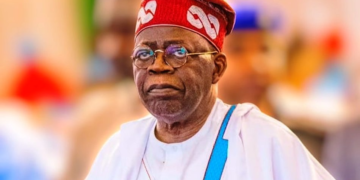















President Bola Ahmed Tinubu has commended the Nigerian Armed Forces for their rapid intervention that helped halt a military coup attempt in neighbouring Benin Republic.
Security sources said Nigerian Air Force fighter jets carried out coordinated air operations on Sunday after mutinous soldiers attempted to overthrow the government in Benin. The operation followed a formal request for assistance from Beninese authorities after loyalist troops regained control of key positions in Cotonou.
According to security analyst Zagazola Makama, the airstrikes targeted coup plotters who were attempting to flee the capital in armoured vehicles. The mission was executed within a short operational window and involved multiple coordinated engagements aimed at preventing the mutineers from regrouping. Sources said strict international operational rules were observed, with efforts made to limit civilian harm.
Confirming Nigeria’s involvement, President Tinubu said the intervention was carried out at the invitation of the Government of Benin. In a statement issued by his Special Adviser on Information and Strategy, Bayo Onanuga, it was disclosed that Benin formally requested military support after the coup plotters announced the suspension of democratic institutions.
Following the request, Tinubu authorised Nigerian Air Force units to secure Benin’s airspace and support loyalist forces in flushing out the mutineers from strategic locations, including a military camp and the national broadcasting station. Nigeria was also asked to deploy surveillance aircraft and limited ground personnel strictly under Benin’s command authority.
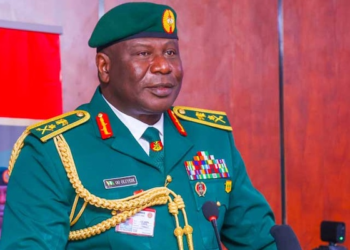
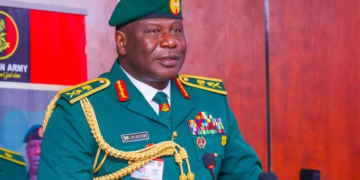
Nigeria’s Chief of Defence Staff, General Olufemi Oluyede, confirmed that all the requests were executed and that Nigerian troops were already on the ground in support roles. He said the forces acted in line with directives from the President as Commander-in-Chief.

Tinubu, who currently chairs the Economic Community of West African States (ECOWAS), said Nigeria’s intervention was consistent with the bloc’s Protocol on Democracy and Good Governance, describing the action as a defence of constitutional order and regional stability.
Meanwhile, the Beninese government has announced that the coup attempt has been successfully suppressed. Speaking on national television, President Patrice Talon assured citizens that the situation was under control, describing the uprising as the work of a small group of soldiers. He said loyal forces had recaptured all strategic locations and cleared remaining pockets of resistance.
Talon also expressed sympathy for victims of the unrest and those briefly held by the fleeing mutineers, adding that all those involved in the attempted takeover would be brought to justice.
The failed coup comes as Benin prepares for a crucial presidential election expected to take place in April. The development has once again drawn regional attention to the growing need for coordinated security and democratic stability across West Africa.