














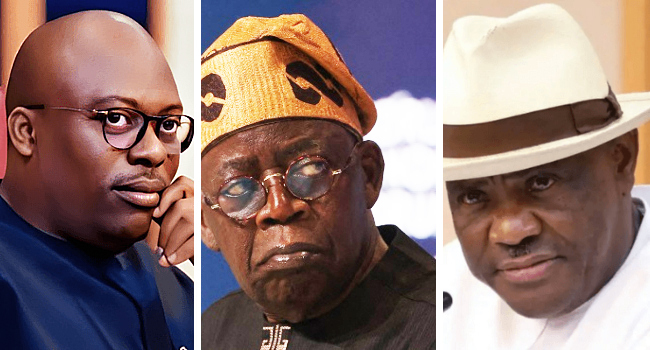
Tinubu orders Wike to stop impeachment plot against Fubara
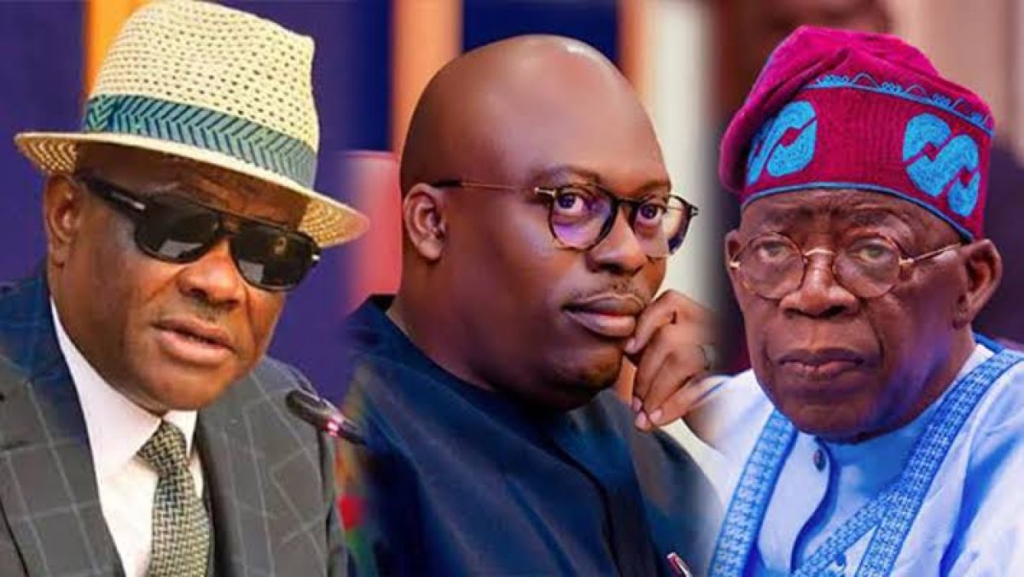
President Bola Tinubu has once again stepped into the fraught political crisis engulfing Rivers State, instructing Nyesom Wike, the Minister of the Federal Capital Territory (FCT), to halt any impeachment plans against Siminalayi Fubara, the Governor of Rivers State, and his deputy. The intervention comes amid heightened tensions between the governor and his predecessor, Wike, whose faction in the Rivers State House of Assembly had initiated impeachment proceedings in early January 2026 — a move the presidency deems destabilising and counter-productive. 
This episode is the latest chapter in a protracted political struggle that has repeatedly drawn federal involvement, underscoring not only the gravity of the feud in one of Nigeria’s most strategic oil-producing states but also the heavy burden on the presidency to mediate internal political fractures. 
How the Impeachment Plot Emerged
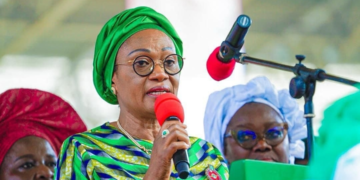
The impeachment move against Governor Fubara and his deputy, Ngozi Odu, was triggered by members of the Rivers State House of Assembly loyal to Wike, who have accused the governor of multiple acts of gross misconduct including alleged financial misappropriations, extra-budgetary spending, demolition of the Assembly complex, and refusal to comply with legislative autonomy rulings. 
During a plenary session presided over by Speaker Martins Amaewhule, impeachment notices were read against both Fubara and his deputy, outlining alleged offenses that lawmakers said justified constitutional action. 
However, even as the impeachment struggle unfolded, the presidency signalled concern over the escalation of political hostilities and its implications for governance, stability, and national cohesion — especially in a state as politically volatile and economically significant as Rivers. 
Tinubu’s Intervention and the Call to Halt Impeachment
According to recent reporting, President Tinubu personally directed Wike and his allies to immediately suspend all impeachment-related actions against Governor Fubara, emphasising that an uninterrupted impeachment pursuit would only deepen political divisions and unsettle governance in Rivers. 
The presidential stance was conveyed as part of a broader effort to revive peace negotiations between the rival camps and prevent the state from sliding into a constitutional crisis that could have wider implications for political stability — not only in Rivers but in Nigeria’s complex federal balance. 
In addition to ordering a halt to the impeachment plans, Tinubu reportedly underscored the need for Fubara to grant political recognition to Wike as a senior leader within the state’s political structure — a move viewed by analysts as an attempt to reconcile competing power centres rather than marginalise either side. 
A Long-Running Political Rift
The Rivers political crisis did not begin with the impeachment notice. It stems from a long-standing rift between Fubara and Wike that predates Fubara’s 2023 inauguration and has seen periodic escalations. Initially allies, the two have been at odds over state leadership dynamics, political loyalty and control of party structures. 
The earlier phases of the crisis included a now-notorious period of emergency rule in Rivers State in 2025, when President Tinubu declared a six-month state of emergency due to political instability and governance paralysis. The state of emergency saw the temporary suspension of the governor, his deputy and the State House of Assembly before it was lifted later in the year. 
Since then, fractures between Fubara and Wike have periodically resurfaced, with impeachment attempts among the most dramatic flashpoints. The presidency’s repeated interventions reflect concern that the feud could undermine governance and the rule of law in a state critical to Nigeria’s regional politics and oil economy. 
https://ogelenews.ng/tinubu-orders-wike-to-stop-impeachment-plot-against…
The Stakes: Governance, Stability and Political Identity
The impeachment row has broader implications beyond personal rivalries. Rivers State is an oil-producing hub whose political balance influences regional power dynamics and national party interests. A protracted constitutional crisis, if allowed to fester, could risk administrative gridlock and weaken public trust in democratic processes. 
President Tinubu’s decision to intervene reflects a strategic calculation to preserve not only stability in Rivers but also the governing party’s broad interests. The conflict has drawn attention from political stakeholders nationwide, including groups like the Human Rights Writers Association of Nigeria (HURIWA), which has condemned the impeachment efforts and urged presidential action to avert a constitutional breach. 
Legal and Constitutional Dimensions
Impeachment proceedings — particularly against a sitting governor — are among the most serious constitutional processes a state legislature can undertake. They require strict adherence to procedural and legal standards under the 1999 Constitution. Observers have noted that procedural missteps or politically motivated impeachment moves can trigger judicial challenges and wider legal uncertainty. 
In this case, attempts to stop the impeachment through courts or other maneuvers have already surfaced, indicating the degree to which political strategy has intertwined with legislative and judicial processes. 
Tinubu’s order to halt the impeachment, therefore, can be seen not only as political mediation but also as a preventative measure to avoid a constitutional tangle that could embroil the judiciary and further distract from governance priorities. 
Political Reactions and Public Response
The presidency’s intervention has drawn mixed reactions. Supporters of Fubara and those advocating political stability welcomed the call for restraint, arguing that impeachment moves threatened progress in governance and development. Critics, however, contend that external intervention in state legislative matters should be cautious and respectful of constitutional autonomy. 
Political analysts say that the president’s mediation underscores the delicate balance between supporting democratic institutions and preventing intra-party or inter-governmental conflicts from paralyzing democratic governance. 
What Happens Next
With the presidential directive in place, the immediate future hinges on whether Wike and his allies in the Rivers House of Assembly comply and whether parties can return to negotiated peace talks that stabilize governance. Observers will be watching:
• Whether impeachment notices are formally withdrawn;
• How Fubara and Wike publicly reposition themselves;
• The extent to which federal and state engagement restores confidence in constitutional processes. 
The presidency’s message is clear: political disputes may be natural, but when they erode governance and threaten stability, higher national interest demands intervention.
The Bottom Line
President Tinubu’s order for Wike to stop impeachment plans against Governor Fubara is a significant intervention in one of Nigeria’s most persistent political crises. It underscores the federal government’s role as guardian of stability and constitutional order while illuminating the complex interplay of personal ambition, party interests and governance in Nigeria’s largest oil-producing state.
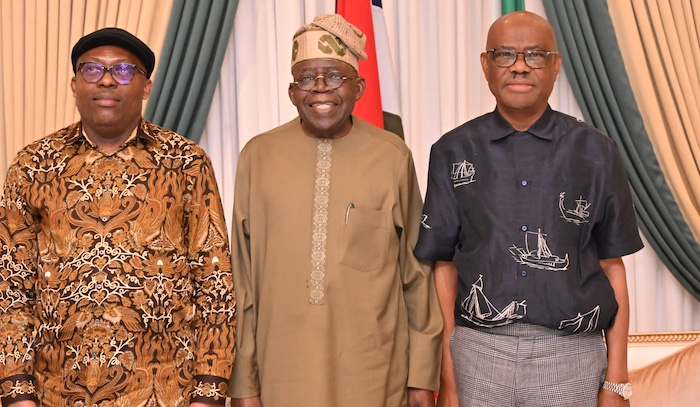
Tinubu orders Wike to stop impeachment plot against Fubara