











Tinubu Says 2026 Marks Economic Growth as Nigeria Enters a New Phase of Recovery
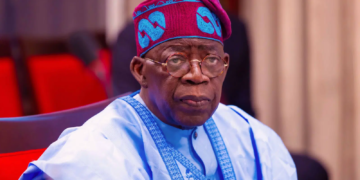
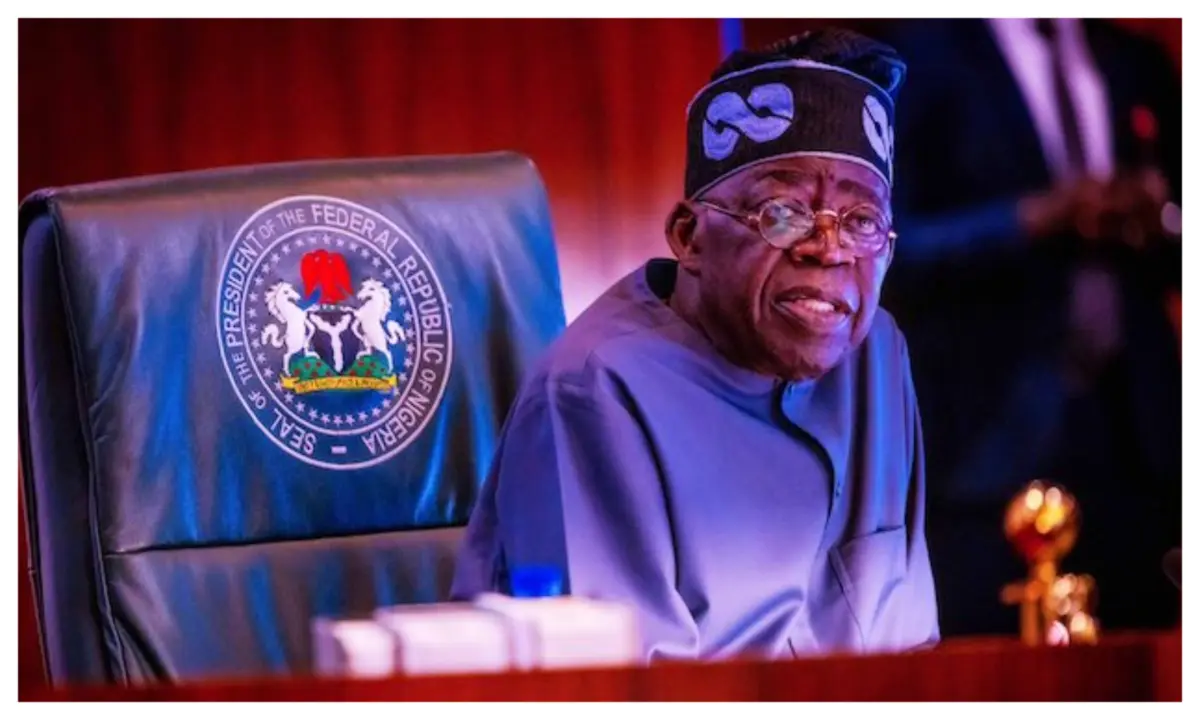
President Bola Ahmed Tinubu has declared that 2026 will mark the beginning of a stronger and more sustainable phase of economic expansion for Nigeria, signalling renewed confidence in the country’s reform agenda and long-term stability. In his New Year address to Nigerians, the president said the groundwork laid throughout 2025 is beginning to deliver measurable results, setting the stage for broader prosperity in the year ahead.
According to the president, the past year demanded difficult but necessary decisions as his administration worked to stabilise the economy, rebuild investor confidence, and correct long-standing structural imbalances. Despite global economic uncertainty and domestic pressures, Tinubu said Nigeria is now better positioned to move forward with resilience and purpose.
Tinubu Says 2026 Marks Economic Growth After Tough Reforms
In his address, Tinubu acknowledged that 2025 was a challenging year for many Nigerians, shaped by inflationary pressures, currency adjustments, and security concerns. However, he maintained that these challenges were not without progress, stressing that economic reforms were beginning to show tangible results.
“Tinubu says 2026 marks economic growth because the foundations laid over the past year are now stabilising the system,” the president said, pointing to improvements in macroeconomic indicators and investor confidence.
He noted that Nigeria recorded steady quarterly growth throughout 2025, with projections showing annual GDP growth exceeding four percent. This, he said, reflects growing confidence in fiscal discipline, monetary coordination, and policy consistency.
Inflation, Reserves and Market Stability
One of the central themes of the president’s address was the gradual easing of inflationary pressure. Tinubu stated that inflation, which had surged earlier in the reform cycle, declined steadily toward the end of 2025 and fell below the 15 percent threshold.
The president also highlighted the strengthening of Nigeria’s external buffers. According to him, foreign exchange reserves rose to about $45.4 billion by late December 2025, helping to stabilise the naira and shield the economy from external shocks.
Foreign direct investment figures were also cited as evidence of renewed confidence. Tinubu said FDI inflows jumped significantly in the third quarter of 2025, rising from approximately $90 million to $720 million, as global investors responded to policy clarity and improved macroeconomic coordination.
Credit rating agencies, including Moody’s, Fitch, and Standard & Poor’s, were said to have acknowledged the reform trajectory, noting improvements in fiscal management and outlook.
https://ogelenews.ng/tinubu-says-2026-marks-economic-growth
Capital Market Growth and Investor Confidence
Another indicator used to support the claim that Tinubu says 2026 marks economic growth was the performance of Nigeria’s capital market. The Nigerian Exchange recorded gains of more than 48 percent in 2025, extending a bullish trend that began in late 2023.
According to the president, the market’s performance reflects renewed confidence among local and foreign investors, improved corporate earnings, and stronger regulatory oversight. He said capital market growth plays a key role in mobilising long-term funding for infrastructure, manufacturing, and innovation.
Reform Agenda for 2026
Looking ahead, Tinubu outlined key priorities that will define economic management in 2026. Central to these plans is the continuation of fiscal reforms aimed at improving revenue generation while reducing inefficiencies.
The president highlighted tax harmonisation as a major focus area, noting that multiple taxation has long discouraged businesses and constrained productivity. The goal, he said, is to create a simpler, fairer, and more predictable tax system that supports growth while funding essential public services.
He also announced plans to deepen the Renewed Hope Ward Development Programme, designed to stimulate grassroots economic activity. Under the initiative, at least 1,000 people in each of Nigeria’s 8,809 wards are expected to benefit from empowerment schemes focused on agriculture, trade, food processing, and small-scale enterprise.
According to Tinubu, this approach will help spread economic opportunities beyond major urban centres and ensure that growth is inclusive.
Security and Economic Stability
While economic recovery was the core theme of the address, Tinubu stressed that growth cannot be sustained without peace and security. He reaffirmed his administration’s commitment to strengthening cooperation among security agencies and working with international partners to combat terrorism, banditry, and other threats.
The president noted that security remains a critical pillar of development, as instability discourages investment and disrupts livelihoods. He called for continued collaboration between government, communities, and security institutions to ensure lasting peace.
Unity and Shared Responsibility
Beyond policy measures, Tinubu appealed to Nigerians to embrace unity and shared responsibility. He said national progress requires patience, sacrifice, and cooperation from all segments of society.
“Economic recovery is a collective journey,” the president noted, urging citizens to support reforms and remain hopeful as the benefits gradually take shape.
Public Reaction and Outlook
Reactions to the address have been mixed. Supporters welcomed the optimistic outlook and cited improving economic indicators as evidence that reforms are working. Others, however, urged caution, pointing to persistent unemployment, cost-of-living pressures, and security challenges that continue to affect daily life.
Economic analysts say the real test of the president’s optimism lies in whether growth translates into jobs, affordable living costs, and improved public services. They note that while headline indicators are encouraging, inclusive growth remains the ultimate measure of success.
Still, many observers agree that the message signals a clearer direction for Nigeria’s economic policy in 2026. If reforms are sustained and complemented by transparency, accountability, and social investment, the country could be entering a more stable phase.
Looking Ahead
As Nigeria steps into a new year, Tinubu says 2026 marks economic growth not as a promise of instant relief, but as a phase of consolidation after difficult reforms. The administration’s challenge now lies in turning macroeconomic gains into everyday improvements for households and businesses.
For millions of Nigerians watching closely, the coming months will determine whether the optimism expressed in the president’s message translates into real opportunities, stability, and shared prosperity.