













🇳🇬 Today in Nigeria: Inflation Slows, Security Stays Central, Pressure Still Felt
Today in Nigeria, early signs of economic relief are appearing on paper, but everyday pressure remains real for most households. Inflation has slowed slightly, security operations continue across several states, and governance discussions remain focused on stability at home and within the West African region.
Today in Nigeria: Economy & Money — Inflation Slows, But Household Pressure Remains
Nigeria’s headline inflation eased to 14.45 percent in November, marking another month of slowdown and beating the federal government’s target. The moderation is largely tied to slower food price increases.
However, this easing has not yet translated into real relief for most households. Transport costs remain high, food prices are still elevated in open markets, and electricity-related expenses continue to strain small businesses.
In currency markets, the naira held relatively steady at the official window, while the parallel market came under pressure as year-end demand for dollars increased.
As one market watcher noted,
“Prices are rising more slowly, but they are still high. For most families, the squeeze has not eased.”
Security & Public Safety: Enforcement Continues Across States
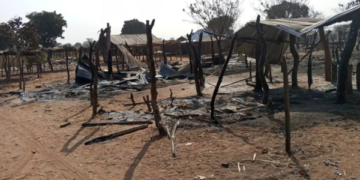
Security agencies maintained active operations across the country. In Edo State, police confirmed multiple arrests linked to cult-related violence, following targeted enforcement actions.
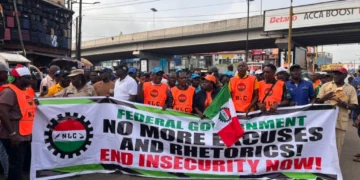
At the federal level, President Bola Ahmed Tinubu reaffirmed that security remains a top priority, pointing to ongoing efforts to strengthen military and law-enforcement capacity.
https://ogelenews.ng/category/security/ security and public safety
“We are mobilising all available assets to protect Nigerians,” the President said.
For citizens, the signal remains clear: patrols and operations are continuing, particularly around urban centres and known flashpoints.
Governance & Policy: Regional Role and Domestic Stability in Focus
Governance discussions in Abuja continue to centre on economic management and security coordination. Nigeria’s leadership role within ECOWAS remains prominent, especially following recent developments in neighbouring countries.
Officials say Nigeria’s position reflects a broader commitment to constitutional order and regional stability, even as domestic economic reforms proceed cautiously.
Social Pulse: Jobs, Living Costs, and Public Mood Regional Snapshot: How Nigerians Are Feeling It
Across major cities, the cost of daily living continues to shape public mood. In Lagos and Abuja, transport fares remain high, especially for commuters who rely on public buses and ride-hailing services. Traders say food prices have stopped rising as sharply as earlier in the year, but remain far above levels most households are comfortable with.
In the South-East and parts of the North-Central, increased security patrols have brought some reassurance on highways, though residents say movement still requires caution. Small business owners continue to adjust by reducing operating hours and limiting fuel use as electricity supply remains inconsistent.
A civil servant in Abuja summed it up this way:
“Things are not getting worse every day, but they are not easier either.”
This sentiment captures the national mood — cautious, watchful, and practical.
Public sentiment remains shaped by cost-of-living concerns, especially among salary earners and small business owners. Job seekers continue to track new openings, with modest private-sector hiring activity visible in Abuja and other major cities.
Outside economics, cultural and sporting events are drawing attention, offering brief relief from daily pressures as the year winds down.
For many readers following Today in Nigeria, the key concern is whether stability will translate into real relief for households.
As Today in Nigeria shows, progress is gradual and uneven across sectors.
What to Watch Next
• Whether inflation continues to ease into early 2026
• Naira movement as festive demand peaks
• Security operations during the holiday period
• Any policy signals on household cost relief
Bottom Line
As the year draws to a close, Nigerians are watching closely for any concrete relief measures that could ease household pressure. Until then, families, workers, and businesses continue to adjust, plan carefully, and manage expectations in an economy that is stabilising slowly but unevenly. Nigeria is calmer on paper, but everyday pressure is still real stability is forming, relief is not yet felt