













Today in Nigeria(9)
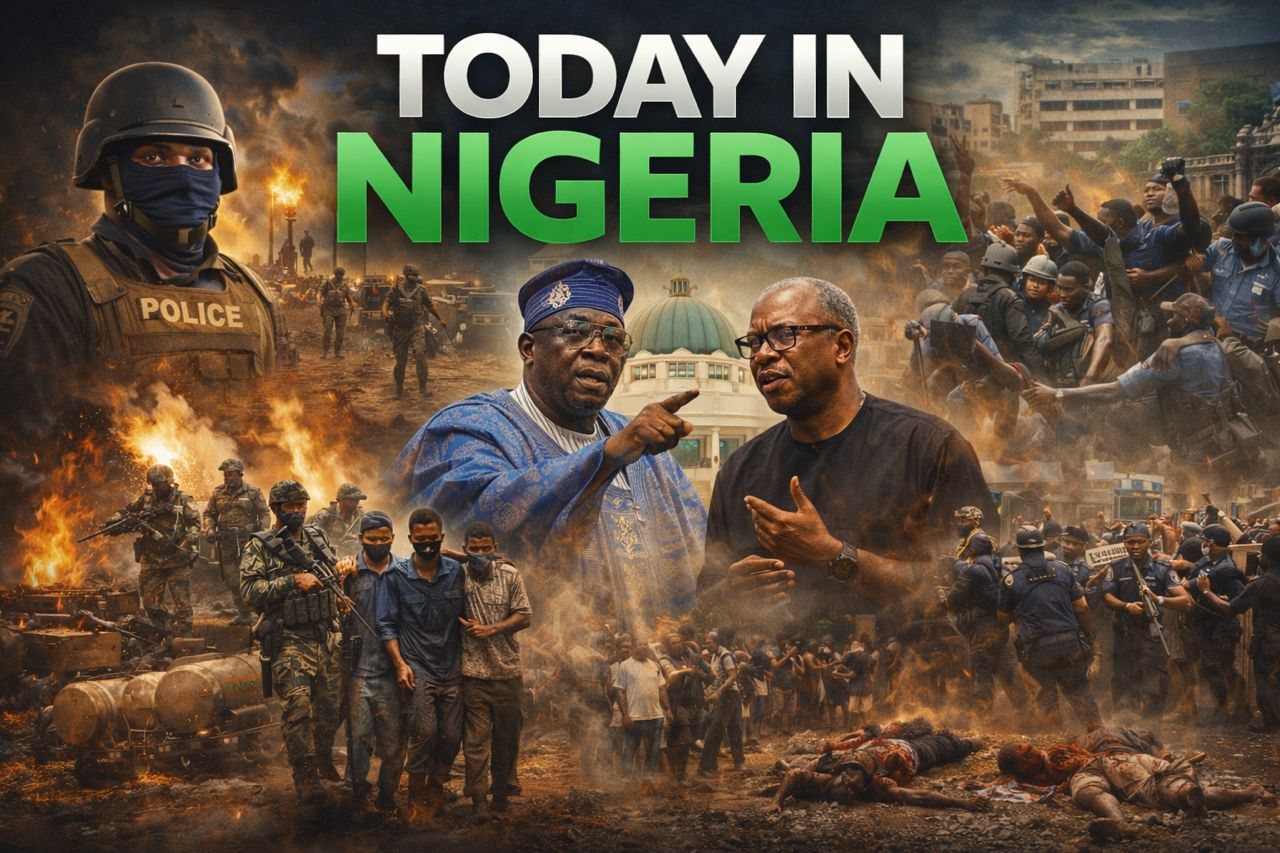
Nigeria’s news cycle today reflects a country balancing between enforcement and instability, reform and resistance, accountability and unrest. Across states and sectors, the stories unfolding point to a nation still negotiating authority, safety, and trust.
- Security & Crime Watch
Security dominated today’s headlines, with multiple incidents highlighting both enforcement successes and persistent threats.
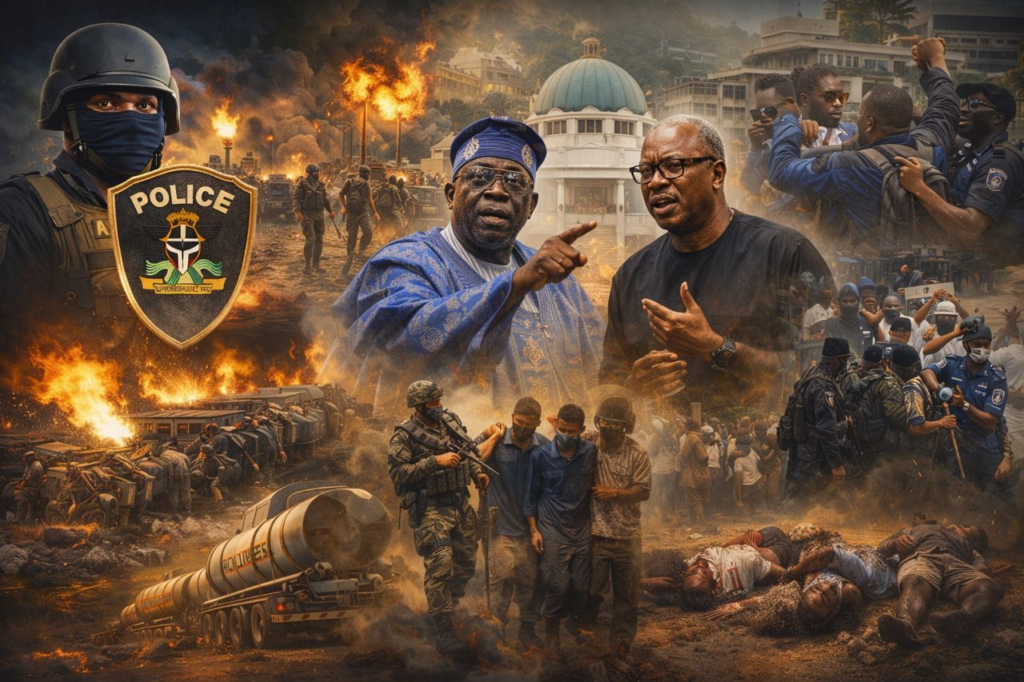
In Benue State, police operatives killed four bandits during an overnight operation and recovered weapons believed to have been used in recent attacks. Authorities described the operation as intelligence-led, reinforcing claims that targeted policing remains one of the few effective tools against rural banditry.
In the Federal Capital Territory, police rescued robbery suspects from mob action after residents attempted to lynch them. The incident underscores a worrying pattern in Abuja, where rising crime and slow justice processes are driving citizens toward self-help and mob justice.
This trend was reinforced by reports of mob lynching of suspected one-chance robbers in Abuja, reflecting growing fear over urban crime and diminishing public confidence in rapid law enforcement response.
In the Niger Delta, the military announced the destruction of 53 illegal refineries and the arrest of 81 suspects, marking one of the largest crackdowns on oil theft in recent months. Officials say the operation dealt a significant blow to crude oil theft networks that have long undermined national revenue.
- Defence, Security Architecture and Leadership
One of the most closely watched security stories today revisits the question of long-term security models.
A feature examining how one man secured Nigeria’s most dangerous waterways for 13 years has reignited debate around continuity-based security, community intelligence, and embedded presence as alternatives to rotating deployments. The story resonates strongly amid ongoing conversations about sustainable security architecture, especially in riverine and coastal zones.
Separately, Stanley Amandi’s arrest, amid allegations of an attempted coup plot against President Bola Tinubu, has raised concerns within security and political circles. While details remain limited, authorities confirm that multiple agencies are investigating the matter. The presidency has urged calm, stressing that institutions remain firmly in control.
- Governance & Politics
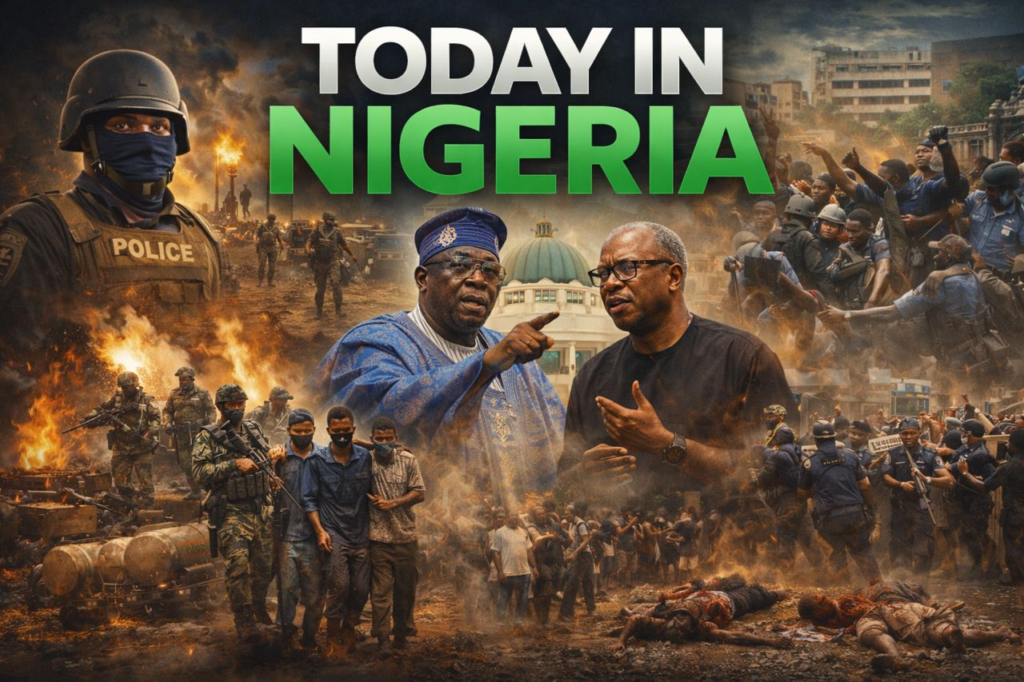
Politics remained charged today, with the Presidency accusing Peter Obi of political inconsistency, questioning his credibility and ideological clarity. The exchange reflects intensifying political positioning ahead of future electoral cycles, as narratives around leadership credibility begin to harden.
In Kwara State, the House of Assembly passed a ₦656.5 billion 2026 budget, representing a ₦10.5 billion increase from the previous fiscal year. Lawmakers said the adjustment reflects inflationary pressures and expanded infrastructure commitments.
Meanwhile, Kebbi State Governor appointed a new provost for the College of Midwifery, signalling renewed emphasis on maternal healthcare and workforce development in a state battling high maternal mortality indicators.
https://ogelenews.ng/toda-in-nigeria9
- Economy & Public Finance
Economic governance featured prominently, with renewed attention on President Tinubu’s economic performance report.
The report highlights growth claims, market gains, and policy reforms, but analysts caution that macroeconomic indicators have yet to translate into broad household relief. While foreign exchange stability and market confidence have improved marginally, inflation and cost-of-living pressures remain stubborn realities for most Nigerians.
In Abuja, economic tension spilled into the streets as protesters blocked access to the Finance Ministry, leading to gunshots being fired to disperse crowds. The incident reflects deep frustration among workers and civic groups over fiscal decisions and wage-related grievances.
- Justice, Law and Accountability
Legal accountability featured strongly in today’s cycle.
The Supreme Court ordered a retrial of former Jigawa State Governor Sule Lamido over a ₦1.35 billion fraud case, reopening a long-running corruption matter. Legal observers describe the ruling as a reminder that unresolved high-profile cases continue to test Nigeria’s justice system.
Internationally, news broke that an ex-deputy police officer in the United States received a 20-year sentence for killing a Black 911 caller. The verdict has resonated globally, reigniting conversations about police accountability, race, and use of force.
- Social Order & Infrastructure
In Lagos, residents scooped fuel after a tanker fell, once again exposing safety risks tied to fuel transportation and public behaviour. Despite repeated warnings, fuel scooping incidents persist, often with fatal consequences.
In the Niger Delta, the NDDC hostel project at Niger Delta University was described as a major step forward in campus infrastructure, addressing long-standing accommodation shortages and improving learning conditions.
Why These Stories Matter Today in Nigeria(9)
Taken together, today’s developments reveal a Nigeria grappling with three core tensions:
• Security enforcement versus community trust
• Economic reform versus social pressure
• Political authority versus accountability
From mob justice in Abuja to anti-oil theft operations in the creeks, the country continues to oscillate between control and fragility. Governance decisions, security models, and economic policies are increasingly being tested not in policy rooms, but on streets, campuses, and waterways.
What to Watch Next
• Further details on the alleged coup investigation
• Security follow-up operations in Benue and the Niger Delta
• Public response to the Presidency–Obi exchange
• Implementation details of state-level budgets
• Whether mob justice incidents trigger stronger policing reforms
Today in Nigeria(9)