












US sanctions eight Nigerians
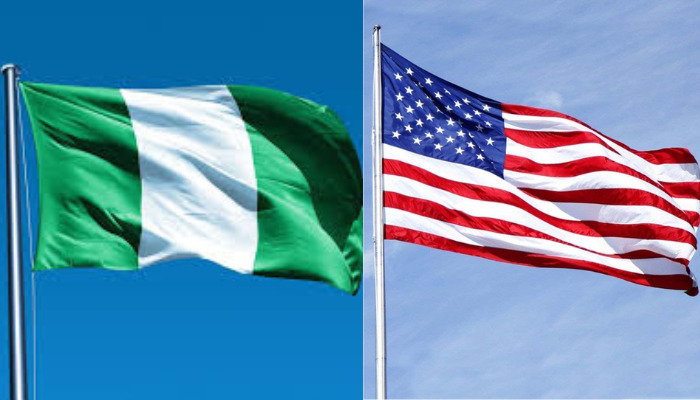
The United States has imposed sanctions on eight Nigerian nationals, blocking any property or interests they hold under U.S. jurisdiction and restricting U.S. persons from doing business with them over alleged links to Boko Haram, the Islamic State of Iraq and the Levant (ISIL), and cyber-enabled criminal activity.
The action is reflected in updates tied to the U.S. Treasury Department’s Office of Foreign Assets Control (OFAC) sanctions programmes, including counter-terrorism and cyber-related designations. 
What “sanctions” mean in plain terms
Under OFAC rules, once a person is designated, their assets and interests in assets within U.S. jurisdiction are blocked. U.S. citizens and companies are generally prohibited from transactions with the designated persons, and entities owned 50% or more by a designated person may also be treated as blocked. 
This is why the headline “US sanctions eight Nigerians” carries real consequences beyond travel restrictions: it is designed to choke access to the international financial system, deter facilitators, and raise the cost of operating across borders.
Who is named
In the report sighted by Ogele News, the names listed include individuals tied to terrorism-related programmes and at least one individual listed under a cyber sanctions programme. The individuals cited include:
• Salih Yusuf Adamu (also reported as Salihu Yusuf), described as linked to Boko Haram, and tied to a UAE case involving terror-financing allegations. 
• Babestan Oluwole Ademulero, listed under a counterterrorism-related programme (SDNTK). 
• Abu Abdullah ibn Umar Al-Barnawi (also known as Ba Idrisa), flagged under terrorism-related sanctions. 
• Abu Musab Al-Barnawi, identified in the reports as a Boko Haram leader under terrorism provisions. 
• Khaled/Khalid Al-Barnawi, linked in the reports to Boko Haram. 
• Ibrahim Ali Alhassan, reported to have Boko Haram links. 
• Abu Bakr ibn Muhammad ibn ‘Ali Al-Mainuki (also referenced as Abu-Bilal Al-Minuki), linked to ISIL in OFAC records. 
• Nnamdi Orson Benson, listed under OFAC’s CYBER2 programme in earlier OFAC cyber designation updates and referenced again in the Nigeria-focused reports. 
Together, these entries underpin the headline that US sanctions eight Nigerians, spanning both terrorism-linked and cyber-linked designations.
https://ogelenews.ng/us-sanctions-eight-nigerians-boko-haram-cybercrime/
Why this is happening now
The renewed focus is landing at a moment when Washington is publicly tightening the screws on terrorism financing and cyber-enabled crimes, while also facing domestic pressure to “do more” on Nigeria-related security and religious freedom concerns. 
That context matters because it explains why US sanctions eight Nigerians is not just a standalone list update. It fits into a bigger U.S. enforcement pattern: using financial restrictions to disrupt networks, deter collaborators, and isolate actors that authorities believe are linked to violent extremist groups or cross-border cybercrime. 
Terror financing and the UAE connection
A key detail repeated in the reports is the link to an older UAE prosecution involving alleged attempts to move funds to Boko Haram. OFAC’s 2022 Treasury release referenced six Nigerian individuals convicted in the UAE over transferring funds that U.S. authorities said were intended for Boko Haram. 
This is one reason the “US sanctions eight Nigerians” update drew quick attention in Nigeria: it resurrects names and allegations that have appeared in earlier international counter-terror finance actions, then places them in a current sanctions context. 
The cybercrime angle
The cyber component is anchored by entries under OFAC’s CYBER2 programme, which targets certain malicious cyber-enabled activities. A 2020 OFAC “Cyber-related Designations” update specifically listed Nnamdi Orson Benson under CYBER2. 
This is why the story’s framing matters: US sanctions eight Nigerians is being reported locally as a combined terrorism-and-cyber listing, even though some cyber designations date back years and are now reappearing in updated consolidated lists and local reporting. 
What this means for Nigeria and Nigerians
For Nigeria’s financial institutions and internationally active businesses, the practical implication is compliance risk. Even where the sanctioned persons are not physically in the U.S., correspondent banking relationships and international payment rails often respond quickly to OFAC actions.
It also raises reputational and diplomatic sensitivities because the headline “US sanctions eight Nigerians” lands in a period of intense Nigeria–U.S. debate over security cooperation, counterterror strategy, and broader political narratives about violence in parts of the country.
https://punchng.com/us-sanctions-eight-nigerians-over-links-to-boko-haram-cybercrime