















Zulum directive on LG funding
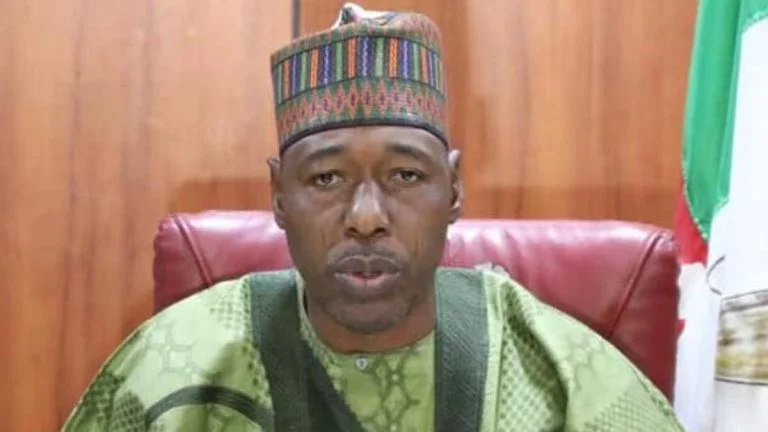
An intervention by Borno State Governor, Babagana Umara Zulum, directing stricter oversight and clearer disbursement of local government funding has continued to draw national attention, with a former member of the House of Representatives describing the move as a “long overdue correction” in Nigeria’s governance structure.
The Zulum directive on LG funding, according to the ex-lawmaker, addresses one of the most persistent weaknesses in Nigeria’s federal system: the erosion of local government autonomy through state-level control of joint accounts. In a country where local councils are constitutionally positioned as the closest tier of government to the people, the question of who controls their funds has remained deeply controversial.
By enforcing transparency and accountability in how local government allocations are accessed and spent, the Zulum directive on LG funding has reopened a wider debate about fiscal federalism, service delivery, and political responsibility at the grassroots.
What the Zulum Directive on LG Funding Entails
At the core of the Zulum directive on LG funding is a clear instruction that local government allocations must be released promptly and used strictly for developmental purposes within council areas. The policy also emphasizes monitoring mechanisms to ensure that funds meant for healthcare, education, sanitation, and rural infrastructure are not diverted.
According to officials familiar with the directive, the governor has insisted that:
• Local governments must account for monthly allocations
• Expenditures must align with approved development priorities
• State interference in council funds must be minimized
• Community-level impact must be measurable
The former lawmaker, who represented a federal constituency in the North-East, said the Zulum directive on LG funding sends a strong signal that governance should begin where citizens feel it most.
Why the Ex-Lawmaker Says the Policy Matters
Speaking on the development, the ex-rep argued that the Zulum directive on LG funding confronts a culture where local governments exist largely in name, while real financial power is concentrated at state capitals.
“For years, local councils have been reduced to administrative extensions of state governments,” he said. “What Governor Zulum has done is remind everyone that grassroots development cannot happen if funds meant for villages never leave the state treasury.”
He noted that in conflict-affected regions like Borno, the proper use of local government funds can make the difference between stability and renewed unrest. According to him, the Zulum directive on LG funding aligns security recovery with development planning.
Local Government Autonomy and Nigeria’s Structural Problem
The debate triggered by the Zulum directive on LG funding taps into a long-standing national issue: the State–Local Government Joint Account system. Critics have repeatedly blamed the system for:
• Poor rural infrastructure
• Weak primary healthcare delivery
• Abandoned local schools
• Unpaid council workers
Despite constitutional provisions, many local governments lack financial independence. The ex-lawmaker argued that without reforms like the Zulum directive on LG funding, local councils will remain incapable of fulfilling their constitutional responsibilities.
Political Courage and Governance Signals
Observers say the Zulum directive on LG funding is politically significant because it challenges entrenched interests that benefit from opaque financial arrangements. For a sitting governor to voluntarily limit discretionary control over council funds is seen by analysts as a rare act of political restraint.
The former legislator described the move as “governance over politics,” noting that the directive could set a precedent for other states if sustained.
“Policies like this test leadership sincerity,” he said. “If implemented fully, the Zulum directive on LG funding could restore public trust at the grassroots.”
Implications for Other States
Beyond Borno, the Zulum directive on LG funding has sparked conversations in policy circles about whether other governors will follow suit or resist similar reforms.
Governance experts note that while the directive does not amend the constitution, it demonstrates that executive will alone can significantly improve local governance outcomes when properly applied.
The ex-rep urged the Nigeria Governors’ Forum to study the Borno model, arguing that the Zulum directive on LG funding provides a workable template for balancing oversight with autonomy.
https://ogelenews.ng/ex-rep-hails-zulums-directive-on-lg-funding-says-po…
Challenges Ahead
Despite the praise, analysts caution that the success of the Zulum directive on LG funding depends on enforcement. Transparency mechanisms, public reporting, and community monitoring will be crucial to ensure the directive does not remain symbolic.
There are also concerns about institutional resistance from political actors accustomed to centralized financial control.
Still, supporters insist that even incremental progress is preferable to the status quo.
Conclusion
The praise from a former federal lawmaker underscores the broader national relevance of the Zulum directive on LG funding. Beyond political commendation, the policy has reopened an urgent conversation about how Nigeria governs its grassroots, allocates public resources, and measures leadership success.
If sustained, the Zulum directive on LG funding may not only strengthen local governments in Borno but also redefine expectations for accountability across Nigeria’s federal structure.