
















45-year Snake Island deal
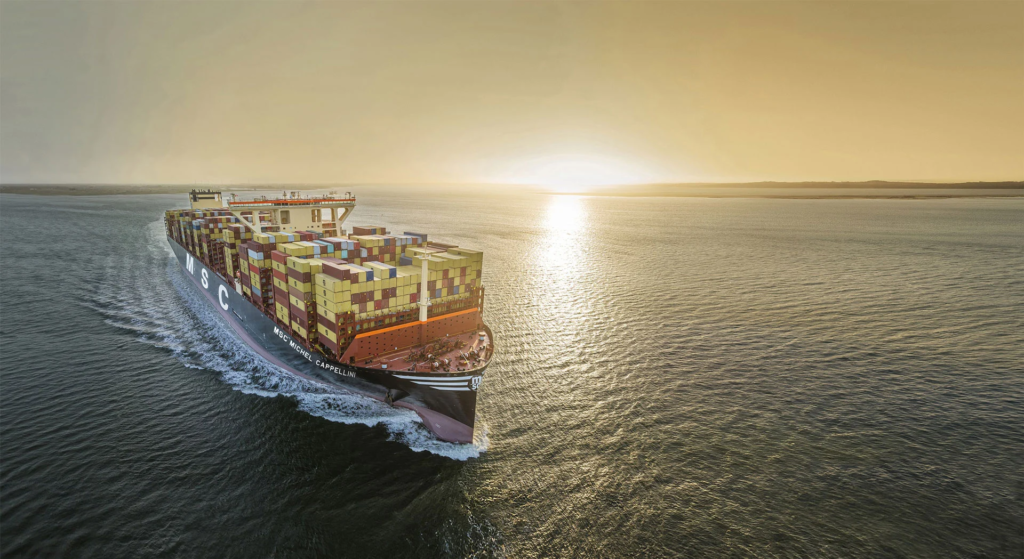
Nigerdock and global shipping giant MSC Group have signed a 45-year Snake Island deal to develop, operate and maintain a new container terminal at Snake Island Port in Lagos, in a move expected to deepen private investment in Nigeria’s maritime infrastructure and increase cargo-handling capacity in the country’s busiest port corridor. Reuters reported the agreement on March 11, stating that the project forms part of MSC’s broader plan to invest over $1 billion in Nigeria’s infrastructure and logistics sector. 
The 45-year Snake Island deal is one of the most consequential port-sector developments announced in Nigeria this year because it brings together a major local maritime operator and the world’s largest container shipping line in a long-term partnership centered on Lagos, the country’s main gateway for imports and exports. Punch reported that Nigerdock’s chief executive, Maher Jarmakani, described the project as a step toward building a world-class container terminal and said it would bring significant foreign direct investment into Nigeria’s maritime and logistics industry. 
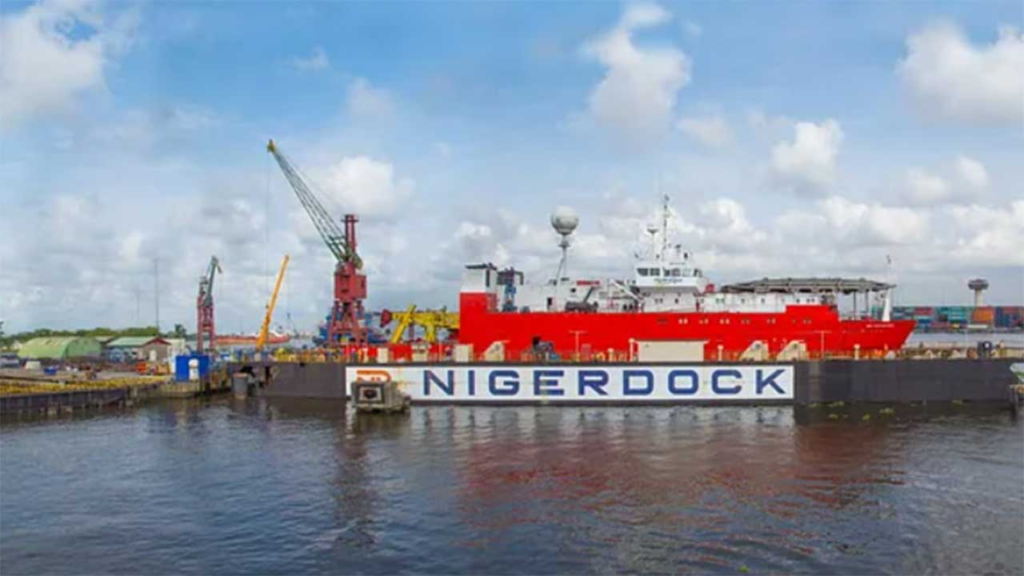
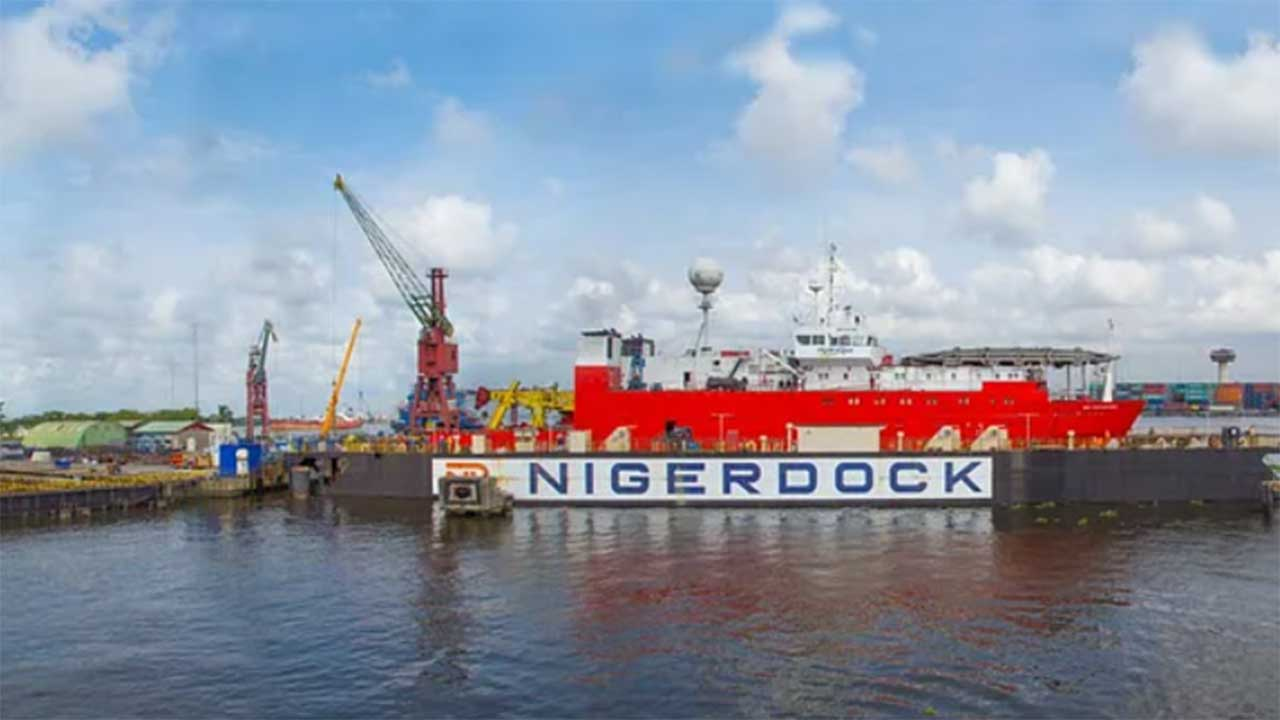
At the heart of the agreement is a plan to build a new container terminal inside Snake Island Port, a facility already managed by Nigerdock. Reuters reported that Snake Island Port covers 85 hectares and already includes three terminals, while the new MSC-backed terminal is expected to cover 30 hectares and include a 910-metre quay designed for ship-to-shore cranes, mobile harbour cranes, deep-sea vessels and barge operations. The terminal is expected to be completed by 2028. 
The 45-year Snake Island deal matters partly because it arrives at a time when Nigeria’s port system is still struggling with congestion, especially around Lagos. Reuters noted that global supply chains are being reconfigured and that shipping companies are increasingly investing in emerging markets, while Nigeria continues to face severe pressure at its existing Lagos port infrastructure. In that context, a new large-scale container terminal at Snake Island could provide badly needed additional handling capacity and help redistribute traffic away from overstretched terminals. 
The project also reflects MSC’s long-term strategic bet on Nigeria. In its own official statement, MSC said the concession agreement with Nigerdock is part of its over $1 billion investment commitment to Nigeria’s infrastructure and logistics sector. The company also announced that it had finalized an Engineering, Procurement and Construction contract with ITB Nigeria Ltd. and DEME Group for the terminal’s development. That means the 45-year Snake Island deal is not merely a concession on paper. It is already moving into execution planning with named construction partners. 
https://ogelenews.ng/45-year-snake-island-deal
For Nigerdock, the deal strengthens its attempt to position Snake Island Port as a more serious logistics hub within West Africa. The company had earlier announced that it received federal approval for Snake Island Port in 2023 and then completed a 45-year concession agreement with the Nigerian Ports Authority in 2024 to commence and expand operations there. That background is important because it shows the current 45-year Snake Island deal with MSC is part of a bigger phased expansion story rather than a sudden standalone development. 
There is also a wider economic angle. Large port and terminal investments tend to generate spillover benefits beyond shipping alone. Better container handling can improve turnaround time, lower logistics bottlenecks, support manufacturers who depend on imported inputs, and help exporters move goods more efficiently. Reuters framed the project as part of a broader effort to improve infrastructure and logistics in Nigeria, while business and maritime trade publications have highlighted its potential to elevate Snake Island Port into an international shipping hub. Seen in that light, the 45-year Snake Island deal is as much about trade competitiveness as it is about port construction. 
Still, a veteran reading of the story requires some caution. Big port announcements in Nigeria often come with strong promises, but delivery timelines, dredging needs, customs coordination, road connectivity and regulatory alignment usually determine whether the commercial gains are fully realized. The available reporting confirms the concession, the EPC contracts, the size of the planned terminal and the investment commitment, but it does not yet provide full public detail on financing structure, projected throughput volumes, tariff regime or the expected impact on cargo diversion from other Lagos facilities. That means the 45-year Snake Island deal is unquestionably important, but its true economic effect will depend on implementation. 
Even so, the symbolism is difficult to miss. Nigeria has long talked about becoming a maritime and logistics powerhouse, yet many of its ports remain burdened by delays, congestion and infrastructure deficits. When a shipping giant like MSC signs a 45-year agreement inside Lagos, it suggests confidence in the commercial future of the Nigerian market despite those structural problems. It also signals that Snake Island is being positioned not as a marginal port asset, but as a long-horizon logistics platform. That is what gives the 45-year Snake Island deal weight beyond the headline. 
There is also the foreign investment angle. Punch quoted Nigerdock’s chief executive as saying the project gives the world’s leading shipping line “a home in Nigeria” and brings significant foreign direct investment into the country. That language is telling. Nigeria’s maritime sector has often depended on fragmented capacity, public bottlenecks and underinvestment. A long-tenure concession backed by a global operator suggests a different model, one built on scale, long-term capital and supply-chain integration. The 45-year Snake Island deal therefore fits into a larger conversation about how Nigeria wants to modernize critical trade infrastructure. 
For Lagos, the promise is straightforward. If completed on schedule, the new terminal could help ease congestion, improve vessel handling flexibility and create a stronger competitive ecosystem in the port corridor. For Nigeria, the bigger question is whether this project becomes an isolated success or part of a broader maritime reform wave. For now, the clearest conclusion is that the 45-year Snake Island deal marks one of the most substantial recent private-sector bets on Nigeria’s port future, and one that could reshape cargo movement in Lagos if execution matches ambition.