














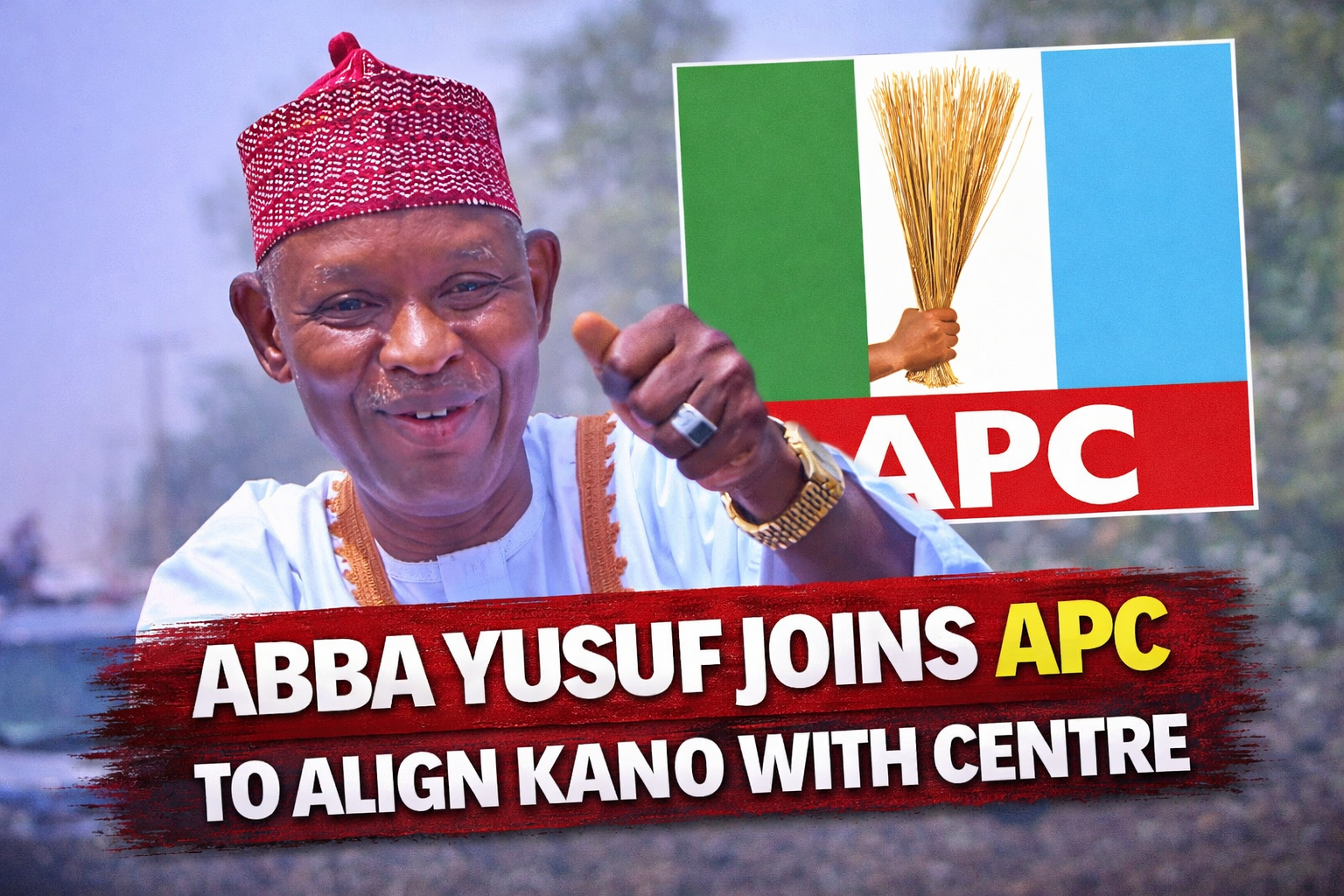
Abba Yusuf joins APC to align Kano
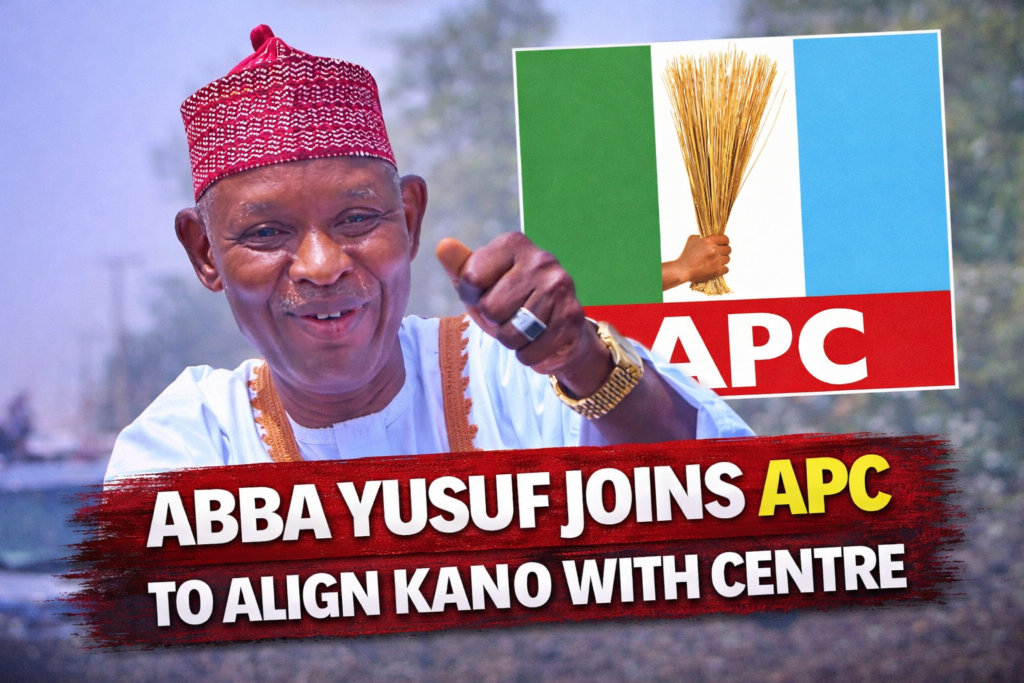
Kano State Governor, Abba Kabir Yusuf, has explained that his decision to join the All Progressives Congress (APC) was driven by what he described as a strategic need to align Kano with the “centre of national governance” in order to accelerate development and deepen the state’s access to federal opportunities.
Yusuf spoke on Monday while addressing supporters at the 2026 Grand Rally held at the Sani Abacha Stadium in Kano, according to a statement issued by his spokesperson, Sunusi Bature Dawakin-Tofa.
The governor argued that Kano’s size and political weight make it difficult for the state to remain “politically disconnected” from the Federal Government if it wants to move faster on development outcomes. In his words, it is about positioning Kano to participate more fully in national development and secure a better future for residents.
Abba Yusuf joins APC to align Kano with centre is now the headline framing the governor’s political calculation, and it comes at a time when the ruling party is seeking to consolidate strength ahead of the 2027 cycle.
“Not personal ambition, but responsibility” — Yusuf
In the statement credited to his media office, Yusuf insisted the decision was not motivated by personal ambition, but by what he called a responsibility to the people of Kano State.
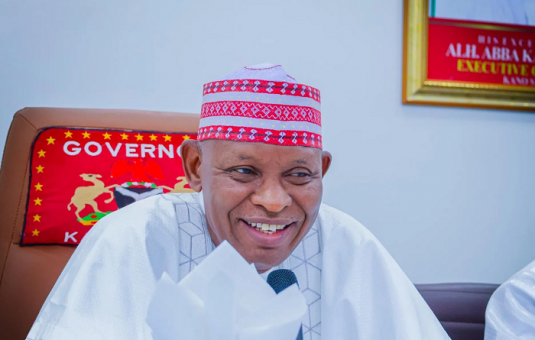
He said Kano is “too large and strategically important” to stay outside the mainstream of national governance, adding that cooperation with the centre can translate into faster delivery of infrastructure and social interventions.
Abba Yusuf joins APC to align Kano with centre was also presented by his camp as a policy-driven move, with the governor pointing to the need for stability and confidence as the state pursues development targets.
https://ogelenews.ng/abba-yusuf-joins-apc-to-align-kano
Renewed Hope Agenda: Yusuf ties move to Tinubu’s reforms
Yusuf also linked his defection to President Bola Tinubu’s Renewed Hope Agenda, saying Kano must actively engage with the reform programme and implement governance initiatives diligently if it is to benefit from federal reforms.
He said cooperation between Kano and the Federal Government would position the state to move forward “with confidence and stability,” in the words attributed to him in the statement.
Abba Yusuf joins APC to align Kano with centre is therefore being sold as alignment with the governing policy direction in Abuja, rather than a narrow partisan switch.
The rally atmosphere and the political symbolism
The Sani Abacha Stadium event was framed as a major political convergence, with reports describing a large turnout and a symbolic moment for Kano politics.
Beyond the crowd, the significance lies in the message: Kano’s governor is arguing that political proximity to the federal centre matters for development, and that the path to securing that proximity is through the ruling party.
Abba Yusuf joins APC to align Kano with centre also reopens debates that have shaped Nigerian politics for decades: whether states progress faster when they share political alignment with the centre, or whether performance depends more on internal governance discipline and fiscal choices.
This didn’t start today: earlier reports foreshadowed the move
Weeks before Monday’s rally, multiple reports had indicated that Yusuf was preparing to formalise a political realignment, with some outlets saying he planned to adopt the APC symbol and complete party registration processes at ward level.
That context matters because it suggests the switch was preceded by negotiations and planning, rather than being a sudden announcement.
Abba Yusuf joins APC to align Kano with centre is the public explanation being offered now, but the lead-up reported by media indicates the decision had been in motion for some time.
What pro-APC stakeholders are saying around Kano
Separate reporting around the same period points to APC leadership activity in Kano, including party-level engagements and messaging around unity and participation for both long-time members and new entrants.
For example, Punch reported that APC’s national chairman visited Kano and referenced a “60/40 leadership-sharing formula,” presented as a framework to manage inclusion and internal cohesion in the state.
This adds another layer to the story: Abba Yusuf joins APC to align Kano with centre also creates internal party questions about structure, influence, and how power will be shared among existing blocs.
What this could mean for Kano’s governance messaging
Yusuf’s central argument is development access: that Kano can negotiate federal attention and partnership more effectively when it sits closer to the centre politically.
That claim resonates with a common political logic in Nigeria, where large-scale projects and federal presence often depend on intergovernmental coordination.
But it also raises a testable standard. If Abba Yusuf joins APC to align Kano with centre, residents will likely judge the move by what changes on the ground: funding inflows, project delivery pace, and improved service outcomes.
Opposition reaction and the need for balance
The statement carried Yusuf’s justification, but the reports cited did not include a detailed counter-position from his former party or other opposition voices within the same report frame.
For editorial balance, Ogele News will need to track whether the NNPP or other stakeholders issue an official response and include it in follow-up coverage.
Still, what is clear from the governor’s side is the framing: Abba Yusuf joins APC to align Kano with centre as an “alignment for development,” not a personal career move.
Bottom line
Governor Abba Kabir Yusuf says his political switch is rooted in strategy: Kano’s place in Nigeria, its scale, and its need to work closely with the Federal Government for development acceleration.
He has tied the move to participation in Tinubu’s Renewed Hope Agenda, and his camp says the goal is stability, confidence, and better results for Kano people.
Abba Yusuf joins APC to align Kano with centre is now the defining phrase for the moment, and the next phase will be judged by governance delivery, political cohesion, and the ripple effect on Kano’s political landscape.