

















Abia PHC performs rare emergency C-section, delivers twins
What Happened
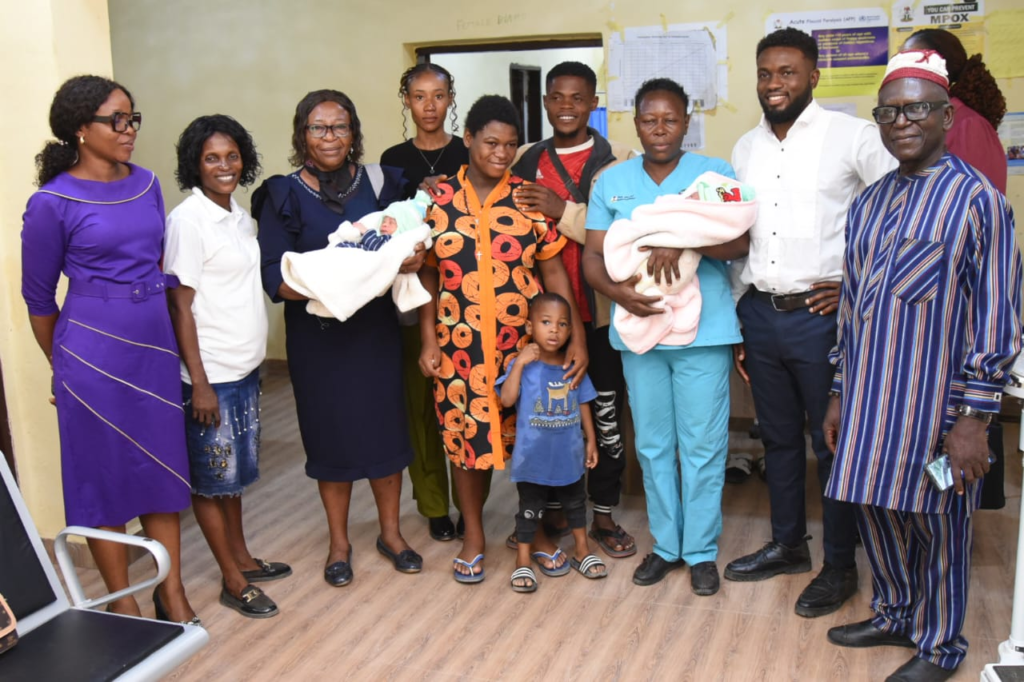
In a development that has drawn attention to the evolving capacity of Nigeria’s primary healthcare system, a Primary Health Centre (PHC) in Abia State successfully performed a rare emergency Caesarean section and delivered twins.
The procedure, carried out under urgent conditions, is being described by health officials as both unusual and significant, given that most PHCs in Nigeria are not equipped to handle surgical deliveries.
The successful outcome has been widely praised, especially as both mother and babies were reported stable after the operation.
Why This Case Is Unusual
The phrase “Abia PHC performs rare emergency C-section, delivers twins” carries weight because, structurally, PHCs are not designed for such procedures.
Primary Health Centres typically handle:
- Antenatal care
- Routine deliveries
- Immunisation
- Basic maternal and child health services
Emergency surgical interventions like Caesarean sections are usually referred to:
- General hospitals
- Specialist hospitals
- Teaching hospitals
That a PHC handled this case suggests either:
- An emergency with no referral time, or
- An upgraded facility operating beyond standard PHC limits
Inside the Emergency
According to available accounts, the situation became critical when complications arose during labour, making natural delivery unsafe.
Medical personnel at the PHC were left with a narrow window:
- Refer the patient and risk fatal delay
- Or intervene immediately
They chose the latter.
The decision to proceed with surgery reflects both clinical judgment and situational urgency, especially in rural or semi-urban settings where access to higher-level hospitals may be limited.
The outcome, twins delivered safely, marks a rare success in such circumstances.
https://ogelenews.ng/abia-phc-performs-rare-emergency-c-section
Healthcare Reality in Nigeria
The Abia PHC performs rare emergency C-section, delivers twins case highlights a deeper issue.
Across Nigeria:
- Many PHCs are underfunded and understaffed
- Referral systems are often slow or unreliable
- Distance to secondary or tertiary facilities can be life-threatening
This creates situations where frontline health workers must act beyond standard protocols.
In many maternal cases, delay is the biggest risk.
The “three delays” model often cited in maternal mortality includes:
- Delay in deciding to seek care
- Delay in reaching care
- Delay in receiving adequate care
This Abia case appears to have bypassed the second delay through immediate intervention.
What It Means for Primary Healthcare
The successful outcome of the Abia PHC performs rare emergency C-section, delivers twins case raises important questions:
1. Should PHCs Be Upgraded?
If properly equipped and staffed, some PHCs could handle emergency obstetric care.
2. Training and Capacity
Healthcare workers at PHCs may need enhanced surgical and emergency response training.
3. Infrastructure Investment
Basic surgical theatres, sterilisation systems, and emergency kits could expand PHC capabilities.
4. Policy Direction
Nigeria’s Basic Health Care Provision Fund (BHCPF) aims to strengthen PHCs, but implementation gaps remain.
Risk and Responsibility
While the success is commendable, experts caution against normalising such procedures at PHC level without proper systems.
Emergency C-sections require:
- Sterile surgical environment
- Blood transfusion readiness
- Anaesthesia support
- Post-operative care facilities
Without these, the risks include:
- Infection
- Maternal complications
- Neonatal distress
So while the Abia PHC performs rare emergency C-section, delivers twins story is a success, it also underscores the thin line between innovation and risk in Nigeria’s health system.
Community Impact
For many Nigerians, especially in rural communities, this story represents hope.
It shows that:
- Lives can be saved even in limited settings
- Health workers are willing to go beyond duty
- Immediate care can sometimes outweigh systemic limitations
At the same time, it highlights the need for stronger healthcare systems so such decisions are supported, not improvised.
What to Watch Next
Following the Abia PHC performs rare emergency C-section, delivers twins case, attention is likely to focus on:
- Possible government recognition of the health workers involved
- Assessment of the PHC’s facilities and capacity
- Renewed calls for PHC upgrades nationwide
- Policy discussions on decentralising emergency obstetric care
Bottom Line
The Abia PHC performs rare emergency C-section, delivers twins story is both inspiring and instructive. It captures the courage of frontline health workers, while quietly exposing the structural gaps that forced such a decision in the first place.
https://punchng.com/abia-phc-performs-rare-emergency-c-section-delivers-twins/