














Alison-Madueke corruption trial

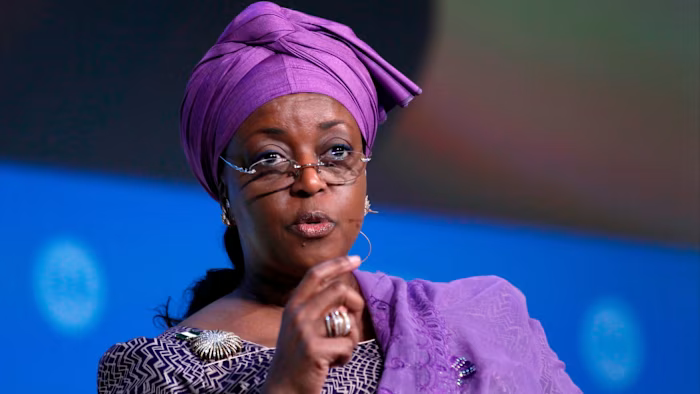
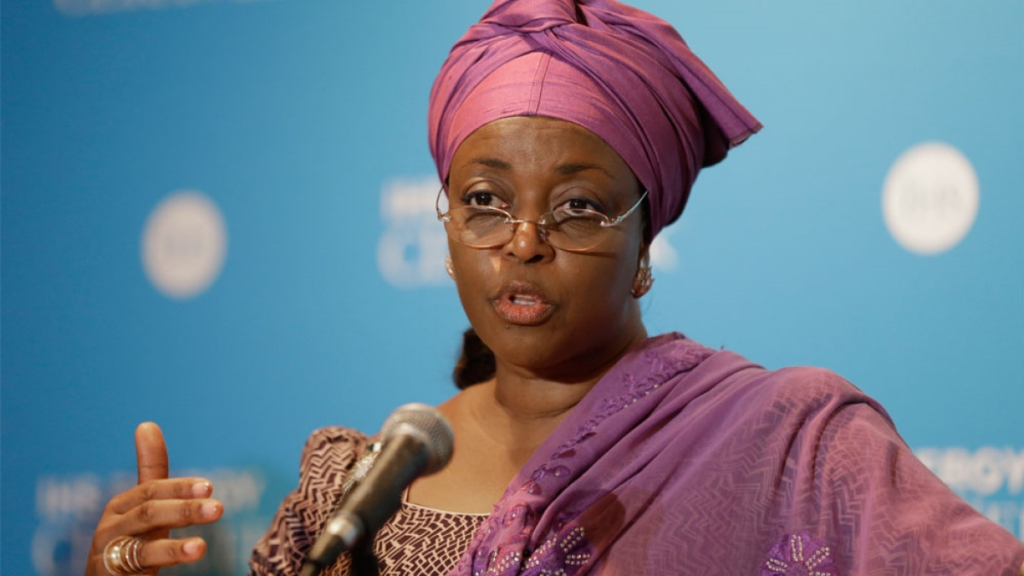
Former Nigerian petroleum minister Diezani Alison-Madueke has appeared before a United Kingdom court in a long-running corruption case that has drawn international attention and reopened debates about accountability, asset recovery, and the global fight against financial crime involving public officials.
The appearance marks a significant moment in a legal process that has spanned nearly a decade, involving investigations by British authorities, Nigerian anti-corruption agencies, and international financial regulators. For many Nigerians, the development revives unresolved questions about alleged abuses during Nigeria’s oil boom years and whether justice can still be delivered years after public office has ended.
This explainer breaks down what the corruption trial is about, why the UK is prosecuting the case, and what it means for Nigeria’s anti-corruption efforts.
Who Is Alison-Madueke and Why Is She on Trial?
Alison-Madueke served as Nigeria’s Minister of Petroleum Resources between 2010 and 2015, a period when the country’s oil sector controlled vast revenues and strategic contracts. She was one of the most powerful figures in Nigeria’s energy industry, overseeing licensing, crude oil sales, and regulatory decisions in a sector central to the nation’s economy.
The Alison-Madueke corruption trial in the UK centers on allegations that she benefited from illicit financial flows linked to oil contracts and influence peddling, with prosecutors alleging that millions of dollars were laundered through foreign bank accounts and high-value assets in the UK.
British authorities allege that the proceeds of corruption were used to acquire luxury properties and other assets, triggering investigations under the UK’s anti-money laundering and proceeds-of-crime laws.
https://ogelenews.ng/alison-madueke-corruption-trial
Why the Case Is Being Tried in the United Kingdom
One of the most common questions Nigerians ask is why a former Nigerian minister is facing trial abroad rather than at home.
The answer lies in jurisdiction and financial trails.
According to investigators, large portions of the alleged proceeds passed through the British financial system. Under UK law, courts can prosecute money laundering and related offenses if illicit funds are moved, stored, or invested within the country, regardless of where the original crime occurred.
This legal framework has made London a major battleground for international corruption cases, especially those involving politically exposed persons whose funds move across borders.
In this case, the Alison-Madueke corruption trial is rooted in UK authorities’ claim that Britain was used as a destination for laundering proceeds linked to alleged abuse of office.
What Prosecutors Are Alleging
At the heart of the trial are allegations that Alison-Madueke:
- Benefited from bribes linked to oil block allocations and strategic contracts
- Used intermediaries to move funds through international financial institutions
- Acquired luxury assets using proceeds suspected to be derived from corruption
UK prosecutors argue that the case is not about policy decisions, but about personal enrichment allegedly hidden behind complex financial structures.
Alison-Madueke has consistently denied wrongdoing, maintaining that her assets were lawfully acquired and that the case is built on assumptions rather than proof.
Nigeria’s Role and the Asset Recovery Question
Nigeria has a direct stake in the outcome of the Alison-Madueke corruption trial, particularly regarding asset recovery.
Over the years, Nigerian authorities have sought the repatriation of seized assets believed to be linked to corruption. Several properties and funds connected to the case have already been confiscated or frozen, with portions repatriated under international agreements.
However, asset recovery is rarely straightforward. It requires:
- Final court judgments
- Proof linking assets directly to criminal conduct
- Diplomatic and legal cooperation between countries
Legal experts note that even if convictions occur, recovering funds can take years and may involve negotiated settlements rather than outright forfeiture.
Why This Trial Matters Beyond One Individual
The significance of the Alison-Madueke corruption trial goes beyond one former minister.
For Nigeria, the case highlights persistent structural issues:
- Weak domestic prosecution of high-level corruption
- Dependence on foreign courts for accountability
- Challenges in tracing and reclaiming stolen assets
For the international community, the trial reflects growing pressure on financial hubs to stop serving as safe havens for illicit wealth.
Anti-corruption advocates argue that such cases send a message that public office does not grant lifetime immunity, even if accountability comes years later and outside national borders.
Public Reaction and Political Implications in Nigeria
Reactions in Nigeria have been mixed.
Some citizens view the trial as long-overdue accountability for alleged excesses in the oil sector. Others express frustration that justice appears more attainable abroad than at home, raising questions about institutional capacity and political will.
Political analysts also note that the trial periodically resurfaces during election cycles, reigniting debates about past administrations, governance standards, and selective accountability.
Yet, observers caution against prejudging outcomes. Under UK law, guilt must be proven beyond reasonable doubt, and trials of this nature often hinge on technical financial evidence rather than public sentiment.
What Happens Next
The UK court proceedings are expected to continue with:
- Presentation of financial records and witness testimony
- Arguments on asset tracing and beneficial ownership
- Legal challenges from the defense regarding jurisdiction and evidence
The timeline remains uncertain. Complex international corruption trials can span months or even years before final judgments are delivered.
For Nigeria, the outcome may influence future cooperation with foreign governments on corruption cases and reinforce calls for stronger domestic enforcement mechanisms.
The Bigger Picture
The Alison-Madueke corruption trial underscores a hard reality: corruption cases involving global financial networks rarely respect national boundaries. Accountability increasingly depends on cross-border cooperation, transparent financial systems, and courts willing to follow money trails wherever they lead.
Whether the trial ends in conviction or acquittal, it remains a defining chapter in Nigeria’s ongoing struggle with corruption, governance, and public trust.