

















Anambra seals shops in two markets for two weeks over sit-at-home
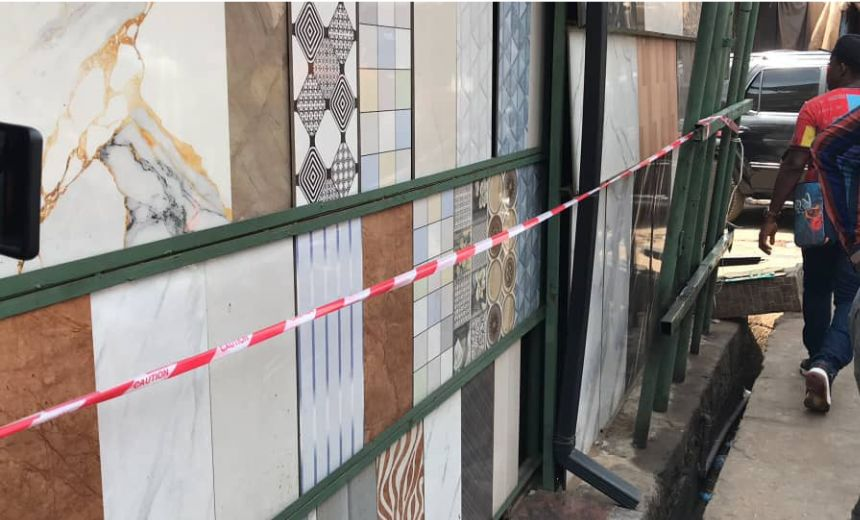
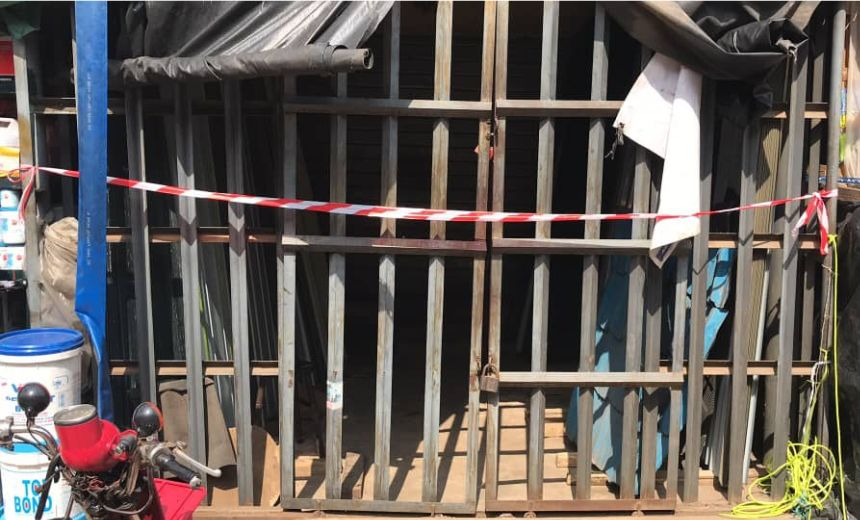
Anambra seals shops in two markets for two weeks over sit-at-home in a sweeping enforcement action that underscores the state government’s increasingly uncompromising stance against the controversial Monday shutdown culture that has disrupted commerce in the Southeast for years. The enforcement, carried out by state officials and market authorities, affected traders in the Building Materials Market, Ogidi, and the Electrical Parts Market, Obosi, both located in Idemili North Local Government Area. 
The decision came after traders failed to open their shops during a routine inspection conducted by the Special Adviser to the Governor on Markets, Chief Evarist Uba, who discovered widespread compliance with the illegal sit-at-home directive despite repeated government warnings. 
Anambra seals shops in two markets for two weeks over sit-at-home as part of a broader campaign by Governor Chukwuma Soludo’s administration to restore economic normalcy and dismantle the culture of fear that has crippled Monday commercial activity across the state.
Markets affected and enforcement process
Officials confirmed that enforcement teams physically sealed affected shops using government-approved procedures. The shops will remain closed for two weeks, after which affected traders may regain access subject to compliance and verification requirements.
The affected markets, Ogidi Building Materials Market and Obosi Electrical Parts Market, are major commercial hubs serving traders across Anambra and neighboring states.
Their closure carries economic consequences beyond the traders themselves. Markets in Anambra State form a backbone of regional commerce, linking suppliers, distributors, and consumers across Nigeria’s Southeast and beyond.
Anambra seals shops in two markets for two weeks over sit-at-home reflects the government’s determination to send a strong message that compliance with illegal shutdown orders will no longer be tolerated.
Background: the sit-at-home phenomenon
The sit-at-home directive originated in the Southeast region several years ago and has since evolved into a complex social and security issue.
Initially framed as a protest tactic, it has gradually transformed into a pattern of economic disruption affecting businesses, schools, banks, and public institutions.
Economic activities are often severely reduced on Mondays, as traders remain home out of fear of violence, enforcement attacks, or intimidation.
Government officials have repeatedly described the sit-at-home culture as economic sabotage and an obstacle to development.
Anambra seals shops in two markets for two weeks over sit-at-home as part of broader efforts to reverse this trend and restore normal economic operations.
Government’s economic and security rationale
The Anambra State Government argues that enforcing business operations is essential for economic recovery.
Markets are critical to state revenue, employment, and household income.
Each closed shop represents lost revenue, reduced supply chain activity, and economic contraction.
Government officials believe strict enforcement is necessary to break the cycle of economic paralysis.
Anambra seals shops in two markets for two weeks over sit-at-home in line with Governor Soludo’s previously stated policy that traders must open their shops or face consequences.
The government has also assured traders that security agencies have been deployed to protect markets and ensure safe business operations.
https://ogelenews.ng/anambra-seals-shops-in-two-markets

Wider crackdown across Anambra markets
The sealing of shops in Ogidi and Obosi is part of a wider enforcement campaign.
Previously, authorities shut down Onitsha Main Market for one week after traders failed to comply with government directives to open on Mondays. 
Government officials have warned that repeated violations could lead to longer closures, financial penalties, or additional sanctions.
Anambra seals shops in two markets for two weeks over sit-at-home to reinforce compliance and demonstrate that enforcement will be sustained.
Traders’ reactions: fear, frustration, and economic concerns
The government’s enforcement actions have triggered mixed reactions among traders.
Some traders support the government’s effort to restore normal business activity.
Others argue that fear of violence, not unwillingness, prevents them from opening shops.
Many traders say their primary concern is safety.
In previous incidents, traders who defied sit-at-home directives faced attacks, vandalism, or threats.
This creates a complex dilemma: obey government orders or avoid potential security risks.
Anambra seals shops in two markets for two weeks over sit-at-home in a context where economic recovery and security concerns intersect.
Economic consequences of market closures
Market closures affect not only traders but entire supply chains.
Consequences include:
• Loss of daily income for traders
• Reduced state tax revenue
• Supply shortages
• Increased prices for consumers
• Financial instability for small businesses
Markets like those in Onitsha and Ogidi serve thousands of traders and support regional commerce.
Anambra seals shops in two markets for two weeks over sit-at-home to prevent further economic disruption caused by recurring weekly shutdowns.
Government’s long-term strategy
Governor Soludo’s administration has made it clear that restoring economic stability is a priority.
Officials say enforcement will continue until compliance becomes routine.
Security presence has been strengthened in key commercial areas.
Authorities are also working with market associations to encourage voluntary compliance.
Anambra seals shops in two markets for two weeks over sit-at-home as part of a sustained policy, not a one-time enforcement action.
Governance, authority, and economic control
The government’s actions raise broader questions about governance authority and economic freedom.
Governments have responsibility to maintain economic stability and protect public welfare.
At the same time, traders seek assurance that their safety will be guaranteed.
Balancing enforcement and security remains a critical challenge.
Anambra seals shops in two markets for two weeks over sit-at-home in what analysts describe as a decisive effort to reassert government authority over commercial activity.
Conclusion
Anambra seals shops in two markets for two weeks over sit-at-home in a firm demonstration of the state government’s commitment to restoring normal economic activity and ending the culture of enforced shutdowns.
The enforcement reflects broader efforts to protect commerce, strengthen governance, and restore public confidence in the safety of economic activities.
However, the success of the policy will ultimately depend on sustained enforcement, improved security, and cooperation between government and traders.
For Anambra’s economy, the outcome of this enforcement campaign could determine whether markets return fully to normal operations or remain constrained by fear and uncertainty.
https://punchng.com/anambra-seals-shops-in-two-markets-for-two-weeks-over-sit-at-home