




















antivenom availability Abuja public hospitals
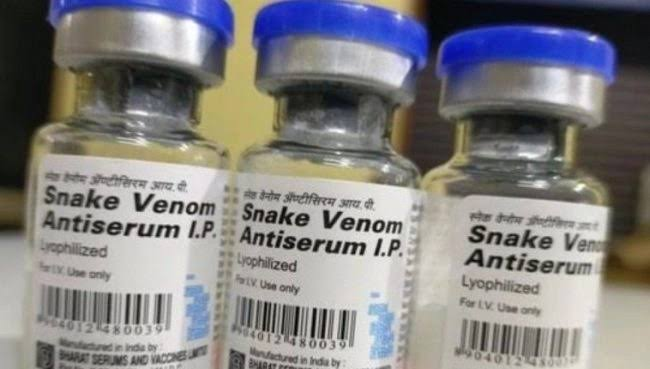
The Federal Capital Territory Administration has assured residents that antivenom is in stock and available in all public hospitals and health centres under its control, responding to public concern following the death of rising singer Ifunanya Nwangene from a snakebite in Abuja. 
The case sparked widespread online debate and allegations that the availability of life-saving antivenom was limited or non-existent when it was needed most. The FCTA’s response aimed to clarify that antivenom supplies remain accessible across federal territory medical facilities and that stock levels are being maintained and monitored. 
The assurances come amid ongoing discussions about emergency healthcare readiness, adherence to clinical protocols, and public expectations of hospital performance in the Federal Capital Territory
What the FCTA Is Saying About Antivenom Stocks
In a statement issued by Dr Adedolapo Fasawe, the Mandate Secretary of the FCT Health Services and Environment Secretariat, the FCTA confirmed that both polyvalent and multivalent antivenoms are stocked in all territory-owned hospitals and health facilities, intended to treat bites from multiple snake species. 
She said the initiative to stock different classes of antivenom was informed by consultations with veterinary experts who identified the most common venom strains found in the FCT. These antivenoms are centrally stored at the Abuja Central Medical Stores and distributed to hospitals to ensure cold chain integrity and quality, she explained. 
The FCTA strong assurances were made as part of a broader effort to quell rumours of shortages or negligence in snakebite response, following the social media reaction triggered by Ms Nwangene’s death. 
What Happened in the Nwangene Tragedy
The death of Ifunanya Lucy Nwangene, a singer and former contestant on The Voice Nigeria, brought the issue to national attention. According to reports, she was bitten by a snake — widely described as a cobra — in her sleep at her residence in Abuja and later died from complications associated with the bite. 
There were initial social media claims that she was systematically turned away from more than one hospital because antivenom was unavailable, and that delayed treatment contributed to her death. 
However, the Federal Medical Centre (FMC), Abuja, where she ultimately received care, denied allegations that antivenom was unavailable when she was brought in. The hospital said its team administered polyvalent snake antivenom along with other emergency interventions but that Ms Nwangene’s condition worsened due to severe neurotoxic symptoms that had already set in. 
FMC Abuja’s statement noted that the actions taken — including resuscitation, oxygen therapy, electrolyte management, and antivenom administration — were standard emergency protocols. It also stressed that the allegations of negligence or non-availability were inaccurate. 
Why Snakebite Response Matters
Snakebites are considered a public health emergency worldwide, particularly in tropical regions where venomous species such as cobras, vipers, and puff adders are present. Experts emphasise that:
• Prompt access to effective antivenom can drastically improve survival.
• Delayed treatment reduces chances of full recovery, especially with neurotoxic venom that affects breathing and nerve function. 
The FCTA’s statement recognised this reality, noting that even with antivenom, outcomes vary depending on how quickly a patient reaches care and the severity of symptoms by that point. 
The administration acknowledged snakebites as a largely preventable risk, encouraging residents to adopt preventive measures such as wearing protective clothing during farm work, clearing debris around homes, and avoiding handling snakes. 
Emergency Care Beyond Antivenom
The FCTA also outlined steps it has taken to strengthen emergency response more broadly:
• Deployment of 12 new ambulances equipped for emergency care.
• Expanded road networks to reduce transport time to healthcare facilities.
• Provision of ICU services, airway management, blood transfusion support, and adverse reaction monitoring in public hospitals. 
Despite these efforts, the public debate triggered by Ms Nwangene’s death highlighted perceptions of gaps in emergency medical care, particularly for critical events such as snakebites where time is of the essence.
https://ogelenews.ng/antivenom-availability-abuja-public-hospitals

Clinical Protocols and Enforcement
Dr Fasawe said the FCTA would enforce strict adherence to clinical protocols across both public and private healthcare facilities in the territory, warning that negligence in emergency care would attract sanctions. 
She emphasised that all cases involving snakebites or suspected envenomation should be treated as urgent, with patients taken immediately to the nearest equipped health facility. 
Hospital adherence to approved clinical practices is seen as central to reducing preventable deaths in emergency situations beyond snakebites, including trauma, cardiac events, and other acute conditions.
Public Reaction and Misinformation Concerns
The tragedy triggered reactions online, with some social media posts suggesting that antivenom was not stocked in Abuja hospitals — a claim that multiple medical sources have since refuted. 
Health authorities have urged the public to rely on verified statements from hospitals and official channels rather than speculation or unconfirmed narratives circulating on social media. 
The debate around the case underscores the need for better communication between health facilities and families during emergencies, and for clearer public messaging on medical readiness and protocols.
The Bottom Line
The FCTA’s guarantee of antivenom availability across its hospitals and public health centres is meant to reassure residents that emergency treatment for venomous snakebites is readily accessible in the Federal Capital Territory. 
But the incident involving Ifunanya Nwangene — and the public reactions it has sparked — also highlights ongoing challenges in public health response, community confidence, and the perception gap between emergency readiness and patient outcomes.
Swift medical intervention remains critical in snakebite cases, and efforts to strengthen emergency systems, enforce clinical standards, and improve public communication are vital steps toward reducing preventable deaths in the FCT and beyond.
https://punchng.com/snakebites-fcta-guarantees-antivenom-availability-across-abuja-public-hospitals
antivenom availability Abuja public hospitals