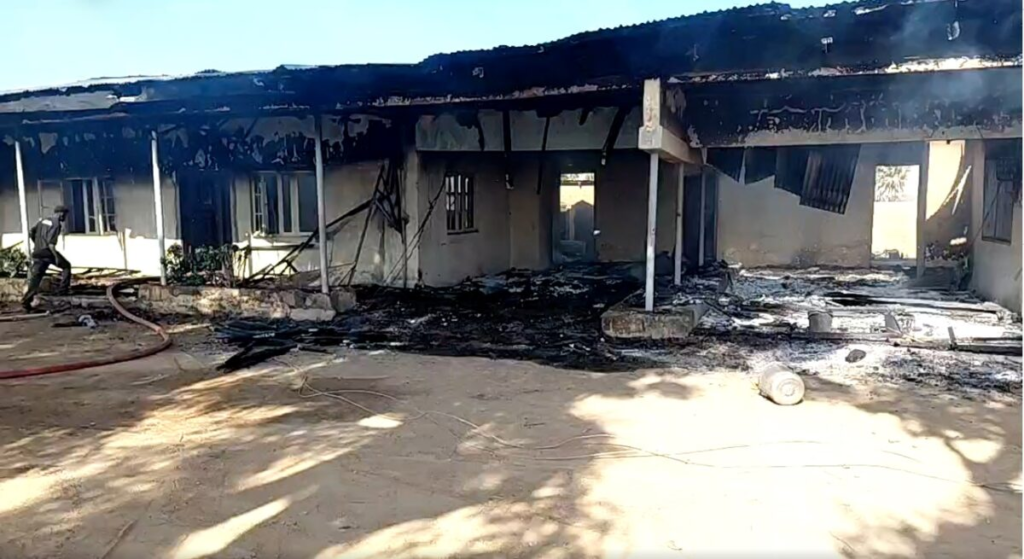


















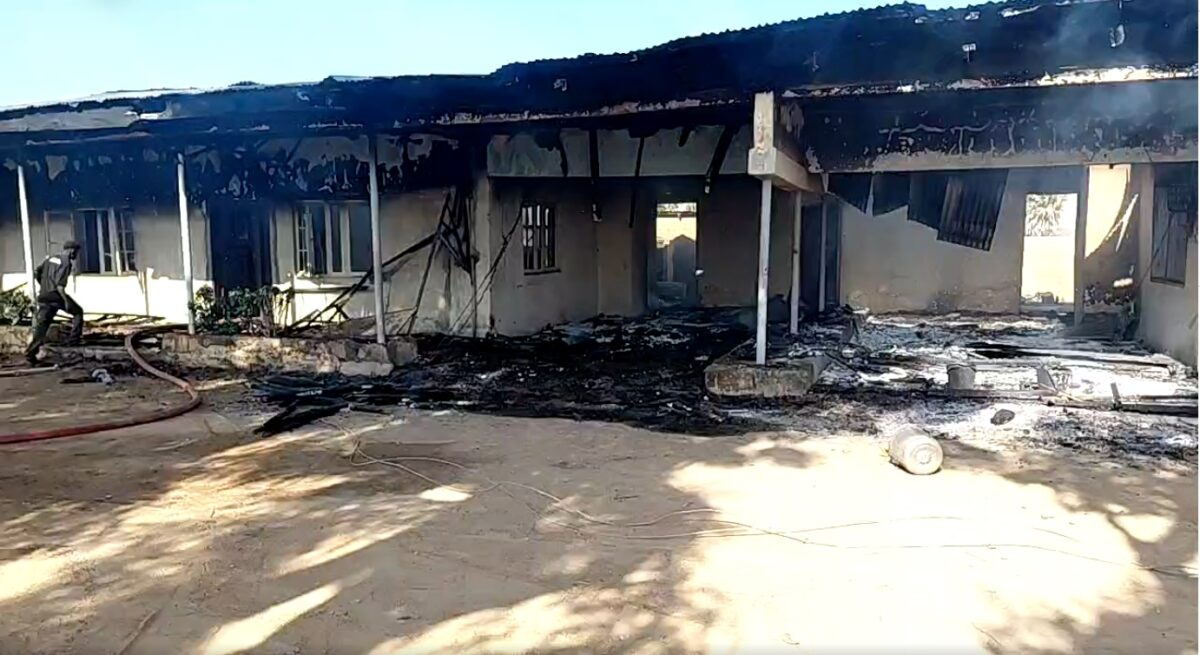
The Bauchi State Fire Service has disclosed that fire outbreaks across the state claimed two lives and destroyed properties valued at N1.5 billion throughout 2025, highlighting persistent safety challenges in the North-East state despite ongoing prevention efforts.
The sobering statistics, released in the agency’s year-end activity report, underscore the devastating human and economic toll of Bauchi fire outbreaks 2025, even as firefighters responded to hundreds of emergency calls throughout the twelve-month period. The figures place Bauchi among several Nigerian states grappling with increasing fire incidents amid the harmattan season’s heightened risks and systemic infrastructure deficiencies.
According to officials familiar with the data, the Bauchi fire outbreaks 2025 statistics reflect a complex interplay of factors, including electrical faults, careless use of cooking gas, improper storage of flammable materials, and in some cases, suspected arson. The two fatalities recorded during the year represent lives cut short by preventable disasters, while the N1.5 billion property loss encompasses residential buildings, commercial establishments, healthcare facilities, and educational institutions.
https://ogelenews.ng/bauchi-fire-outbreaks
The Human Cost of Bauchi Fire Outbreaks 2025
The two deaths attributed to Bauchi fire outbreaks 2025 occurred in separate incidents throughout the year, each representing a tragic failure of fire safety measures and emergency response systems. While fire service officials have not publicly released detailed circumstances surrounding each fatality, sources indicate that delayed response times and inadequate firefighting equipment contributed to the inability to save lives in critical situations.
Fire safety experts note that every death from Bauchi fire outbreaks 2025 could potentially have been prevented through proper adherence to safety protocols, functional smoke detection systems, and adequate fire escape routes in residential and commercial buildings. The relatively low death toll, compared to more populous states like Lagos which recorded 133 fire-related deaths in 2025, offers little consolation to families who lost loved ones.
Acting Director of the Bauchi State Fire Service, Builder Dauda Bala Pali, who has overseen operations throughout the year, emphasized that the agency remains committed to reducing both fatalities and property losses through enhanced public awareness campaigns and improved response capabilities.
Economic Impact: N1.5 Billion in Losses
The N1.5 billion property damage figure from Bauchi fire outbreaks 2025 represents a significant economic setback for a state already grappling with developmental challenges. This substantial loss encompasses destroyed buildings, burned merchandise, damaged medical equipment, educational materials, and essential infrastructure that will require massive investments to rebuild.
To contextualize the scale of Bauchi fire outbreaks 2025 economic impact, the N1.5 billion loss, while lower than Lagos State’s N19.72 billion and Kaduna State’s N6.4 billion fire-related losses for the same period, still represents critical resources diverted from productive use in one of Nigeria’s developing states.
Among the most significant incidents contributing to Bauchi fire outbreaks 2025 property damage was the December inferno at the Evangelical Church Winning All (ECWA) Clinic along Maiduguri-Bypass in Bauchi. The fire, which occurred around 7:20 a.m. on December 21, destroyed hospital beds, incubators, genotype machines, drugs worth approximately N2.5 million, and nearly all medical equipment at the facility, dealing a severe blow to healthcare delivery in the community.
Notable Fire Incidents Throughout 2025
The Bauchi fire outbreaks 2025 record includes several major incidents that shocked residents and highlighted systemic vulnerabilities in the state’s fire safety infrastructure. Beyond the ECWA Clinic disaster, the state witnessed fires at educational institutions, markets, residential areas, and commercial establishments.
One particularly concerning incident occurred at a health college in Bauchi, where investigators from the state fire service discovered matches and hand gloves at the scene, raising suspicions of arson. Builder Pali, commenting on this incident, described the findings as “highly suspicious” and potentially indicative of deliberate criminal activity, demonstrating that Bauchi fire outbreaks 2025 were not all accidental.
“Our team discovered matches and hand gloves within the affected area, and this raises serious concerns about the possibility of human involvement,” Pali said during a post-incident inspection, calling for thorough investigations into suspicious fire incidents.
The Bauchi fire outbreaks 2025 pattern mirrors trends observed across Nigeria, where electrical faults remain the leading cause of fire incidents, followed by cooking gas explosions, bush burning during the harmattan season, and deliberate arson in isolated cases.
Response Capabilities and Challenges
Despite the losses recorded, the Bauchi State Fire Service successfully prevented far greater destruction through timely interventions at numerous fire scenes. While comprehensive data on properties saved was not immediately available, fire service officials indicated that prompt responses to emergency calls helped contain several major Bauchi fire outbreaks 2025 before they could spread to neighboring structures.
However, the agency continues to face significant operational challenges that hamper its effectiveness. These include inadequate firefighting vehicles, shortage of trained personnel, insufficient water supply at fire scenes, delayed emergency calls from the public, and poor road networks that slow response times to remote areas.
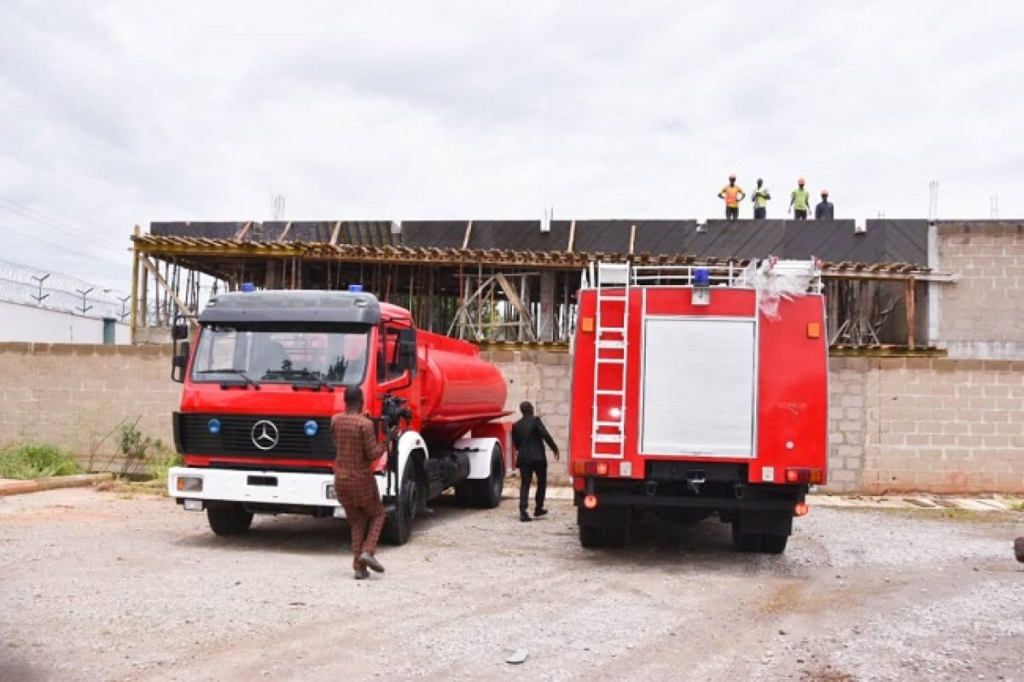
The Bauchi fire outbreaks 2025 response efforts were further complicated by the vast geographical spread of incidents across the state’s 20 local government areas, requiring strategic positioning of firefighting resources to ensure rapid deployment when emergencies occur.
Comparative Analysis with Other States
When viewed alongside fire statistics from other Nigerian states, the Bauchi fire outbreaks 2025 figures present both encouraging and concerning trends. The two fatalities represent significantly fewer deaths than Lagos State’s 133, Kaduna State’s 10, or the national toll of over 100 lives lost to fire in 2024 according to the Federal Fire Service.
However, fire safety experts caution against complacency, noting that Bauchi fire outbreaks 2025 statistics may be underreported, particularly for incidents in rural areas where fire service coverage remains limited and community members often handle emergencies without official intervention.
The N1.5 billion property loss from Bauchi fire outbreaks 2025, while lower in absolute terms than more industrialized states, represents a proportionally significant economic impact when measured against Bauchi’s overall economic output and state budget. For small business owners, market traders, and low-income families who lost everything to fires, the destruction is catastrophic regardless of statistical comparisons.
Root Causes of Bauchi Fire Outbreaks 2025
Analysis of the Bauchi fire outbreaks 2025 incidents reveals recurring patterns that point to systemic issues requiring urgent attention. Electrical faults topped the list of causes, reflecting Nigeria’s broader infrastructure challenges with unstable power supply, use of substandard electrical materials, and poor installation practices by unqualified technicians.
The improper use of cooking gas emerged as another major contributor to Bauchi fire outbreaks 2025, particularly in residential areas where families have increasingly adopted gas for cooking amid rising kerosene prices. Many households lack proper ventilation, store gas cylinders indoors near heat sources, and fail to conduct regular maintenance checks on gas equipment.
Additionally, the harmattan season, which typically runs from November to March in northern Nigeria, significantly elevated fire risks during the latter months of 2025. The extremely dry conditions, combined with strong winds that can rapidly spread flames, turned minor incidents into major conflagrations across Bauchi State.
Prevention Efforts and Public Sensitization
In response to the persistent challenge of Bauchi fire outbreaks 2025, the state fire service intensified public awareness campaigns throughout the year, visiting schools, markets, worship centers, and government offices to educate citizens on fire prevention measures.
These sensitization programs covered essential topics including proper installation and use of electrical appliances, safe handling of cooking gas, prohibition of indoor storage of flammable materials, importance of maintaining clear fire escape routes, and immediate reporting of fire incidents through emergency lines.
The fire service also conducted facility inspections across Bauchi State, assessing compliance with fire safety regulations in public buildings, commercial establishments, and industrial facilities. However, enforcement remains a significant challenge, with many building owners reluctant to invest in expensive fire suppression systems and safety equipment.
The Way Forward: Preventing Future Disasters
As Bauchi State transitions into 2026, fire service officials have outlined comprehensive strategies to reduce the frequency and severity of fire outbreaks following the sobering lessons of Bauchi fire outbreaks 2025. These measures include acquisition of modern firefighting equipment, expansion of fire stations to underserved local government areas, recruitment and training of additional firefighters, and establishment of a rapid response network.
Government intervention will be critical in addressing the infrastructure deficits that contributed to Bauchi fire outbreaks 2025. This includes improving water supply systems to ensure firefighters have adequate water at emergency scenes, upgrading road networks for faster response times, enforcing building codes that mandate fire safety features, and supporting the fire service with adequate budgetary allocations.
For individual citizens and business owners, the key to preventing a repeat of Bauchi fire outbreaks 2025 casualties lies in personal responsibility. This means investing in smoke detectors, fire extinguishers, and proper electrical installations rather than waiting for disasters to strike. Regular maintenance of cooking gas equipment, proper storage of flammable materials, and development of family fire escape plans can mean the difference between life and death when fire breaks out.
National Context and Broader Implications
The Bauchi fire outbreaks 2025 statistics form part of a disturbing national pattern that saw Nigeria lose hundreds of lives and billions of naira to fire disasters throughout the year. According to the Federal Fire Service, the country recorded 100 deaths and N67.1 billion in property losses in 2024 alone, with 2025 figures expected to be comparably devastating when complete national data becomes available.
This widespread fire crisis reflects deeper governance and development challenges facing Nigeria, including inadequate enforcement of safety regulations, compromised building standards driven by corruption, poverty that forces citizens to cut corners on safety, and insufficient investment in emergency services infrastructure.
As communities across Bauchi State begin the painful process of rebuilding from the losses of 2025, the hope remains that the hard lessons learned will translate into meaningful behavioral changes, improved safety standards, and enhanced emergency response capabilities that can finally break the cycle of preventable fire disasters that continue to claim lives and destroy livelihoods year after year.
The two lives lost to Bauchi fire outbreaks 2025 serve as a somber reminder that behind every statistic lie real people, families torn apart, and communities left to grapple with preventable tragedies. Only through sustained commitment to fire safety, both from government and citizens, can Bauchi State hope to significantly reduce these numbers in the years ahead.