















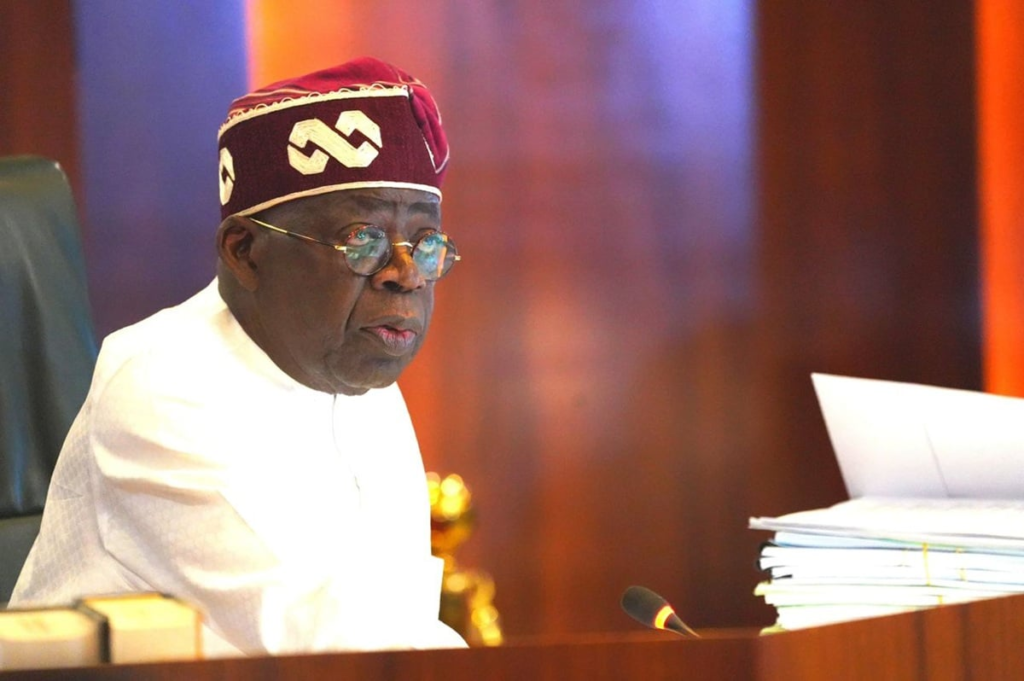
Benin opposition leader begs Tinubu for intervention says critics are being assassinated
An exiled opposition leader from the Republic of Benin has appealed to President Bola Ahmed Tinubu for urgent intervention, saying that opposition figures in his country are being persecuted, some have been assassinated and others imprisoned, and that the political crisis could spiral into civil conflict if not addressed. The appeal came in a letter to Tinubu amid a volatile political landscape in Benin following a failed coup attempt in December 2025. 
Romaric Boco, who styles himself Special Envoy of the opposition party Les Démocrates for International Mobilization and Regional Dialogue, issued the plea from exile in Europe in a letter dated January 26, 2026. In the communication, which was obtained by reporters on Tuesday, Boco said that opposition leaders in Benin were suffering persecution, with loyalists of the government arresting, intimidating and allegedly targeting critics for assassination. He described the situation as dire and warned that without Tinubu’s help in facilitating dialogue, the crisis could degenerate into full-scale unrest or civil war. 
Opposition Says Critics Are Being Assassinated
In his letter, Boco said that some opposition figures “remain imprisoned since the failed coup of December 7, 2025,” and that others have been assassinated in the wake of a crackdown. He mentioned that his own wife was detained when authorities were unable to locate him at his residence, forcing him into exile in Europe for several months. Boco characterised the political environment in Benin as deeply hostile to dissent, and said peaceful democratic engagement was under threat. 
The failed military attempt in Benin unfolded on 7 December 2025, when a group of soldiers briefly announced the overthrow of the government of President Patrice Talon in Cotonou, seizing the state television station in the process. Loyalist forces quickly moved against the coup plotters, and with support from neighbouring forces under the auspices of the Economic Community of West African States (ECOWAS) — including Nigeria’s assistance — the constitutional order was restored. 
Boco argued that the political landscape after the coup attempt had worsened for opposition voices. He said the January 11, 2026 legislative elections resulted in a National Assembly made up entirely of pro-government deputies, shutting out alternative political voices. With the April 2026 presidential election approaching, Boco said that opposition parties had been blocked from participating, further deepening political exclusion and paving the way for instability. 
Call for Tinubu’s Intervention
In his appeal, Boco urged President Tinubu to use Nigeria’s influence within West Africa to convene an inclusive political dialogue aimed at easing tensions, restoring democratic norms and preventing violence. He requested a personal audience with the Nigerian leader, and asked for support in arranging meetings with key Nigerian governors who might assist in mediation efforts. “Your commitment to Benin’s democracy will be etched in our memory when constitutional order is restored,” Boco wrote, stressing that Nigerian solidarity could help avert chaos and preserve regional stability. 
Boco’s letter framed the situation in stark terms, saying Benin faces its “darkest hour.” Without swift intervention, he said, continued political exclusion and alleged persecution of opposition figures could fuel unrest, violence and perhaps even a civil war — a signal that the stakes of the West African nation’s political crisis are high. 
https://ogelenews.ng/benin-opposition-leader-begs-tinubu-for-intervention
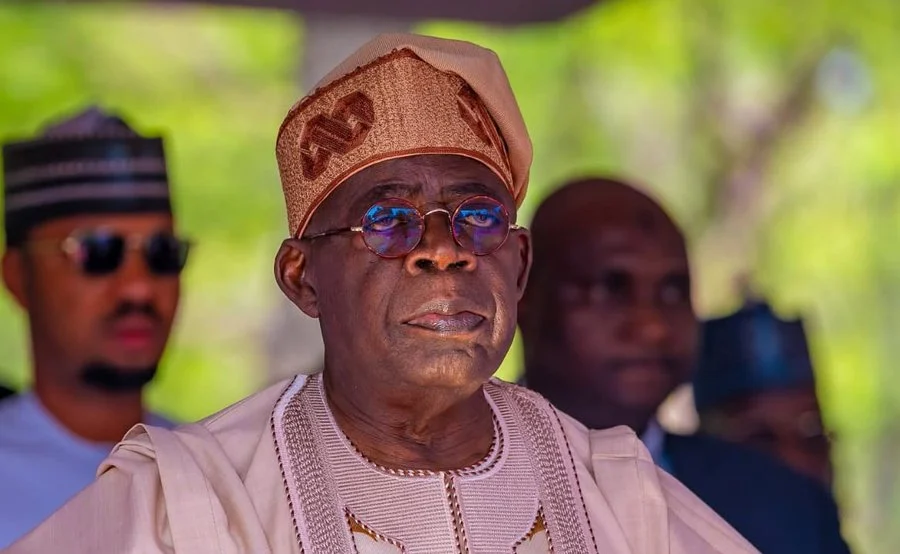
Background: Benin’s Recent Political Crisis
Benin has long been considered one of West Africa’s more stable democracies, with regular elections and peaceful transitions of power since the early 1990s. However, the 2025 coup attempt marked a jarring departure from that tradition and underscored vulnerabilities in the country’s political landscape. 
The coup plot, led by a faction within the armed forces, was ultimately repelled by loyalist military units and forces supporting constitutional order. Loyal forces regained control within hours, but the episode triggered a wave of political anxiety, arrests and tensions between the executive and opposition parties. 
Following the coup attempt, authorities issued warrants and made arrests targeting individuals alleged to have ties to the plot or perceived as threats to national security. Among those pursued were prominent opposition figures, including former defence officials and political activists. Critics of the government decried the arrests as a sign of political retaliation and intolerance of dissent, while government officials framed them as necessary to maintain law and order. 
The aftermath also included an electoral context that magnified political divisions. The January 2026 parliamentary elections were seen by many observers as a consolidation of pro-government power, with opposition parties failing to secure representation. This outcome, combined with the exclusion of opposition candidates from the upcoming presidential election, has raised concerns about democratic inclusivity and the future of political pluralism. 
Reactions and Regional Implications
International human rights groups and democratic advocacy organisations have expressed concern about the state of political freedoms in Benin since the coup attempt. They have called for respect for civil liberties, release of political prisoners and a transparent electoral process that allows for genuine competition. Regional bodies such as ECOWAS and the African Union have also monitored developments, urging political dialogue and caution in the use of force. 
The appeal to Tinubu reflects Benin’s heavy reliance on regional leaders to help defuse tensions. Nigeria, as the most populous and militarily strongest country in West Africa, plays a central role in ECOWAS and has been involved in mediating crises in neighbouring countries. During the 2025 coup attempt, Nigeria provided support to restore constitutional order at the invitation of Benin’s government — a move that underscored its regional leadership role and commitment to democratic principles. 
However, the situation remains politically charged. Some opposition activists argue that the exclusion of alternative voices from parliament and presidential contests undermines democratic legitimacy. They argue that unless political space is broadened, lingering frustration among disenfranchised communities may fuel unrest. 
Outlook: Can Dialogue Prevent Wider Conflict?
As Benin’s April 2026 presidential election approaches, the calls for inclusive dialogue and mediation grow louder. The opposition’s appeal to President Tinubu is grounded in fear that without intervention, the current trajectory could escalate into wider political instability or violence. The challenge for regional actors, civil society and Beninese leaders is to create conditions where political participation is not seen as a zero-sum game and where all citizens feel their voices matter. 
For Nigeria and its partners in ECOWAS, balancing respect for sovereignty with support for democratic norms is foundational to peace in West Africa. How the crisis in Benin unfolds — and whether diplomatic efforts can bridge divides — will be closely watched by analysts, policymakers and communities across the sub-region.
https://punchng.com/exiled-benin-opposition-leader-seeks-tinubus-intervention
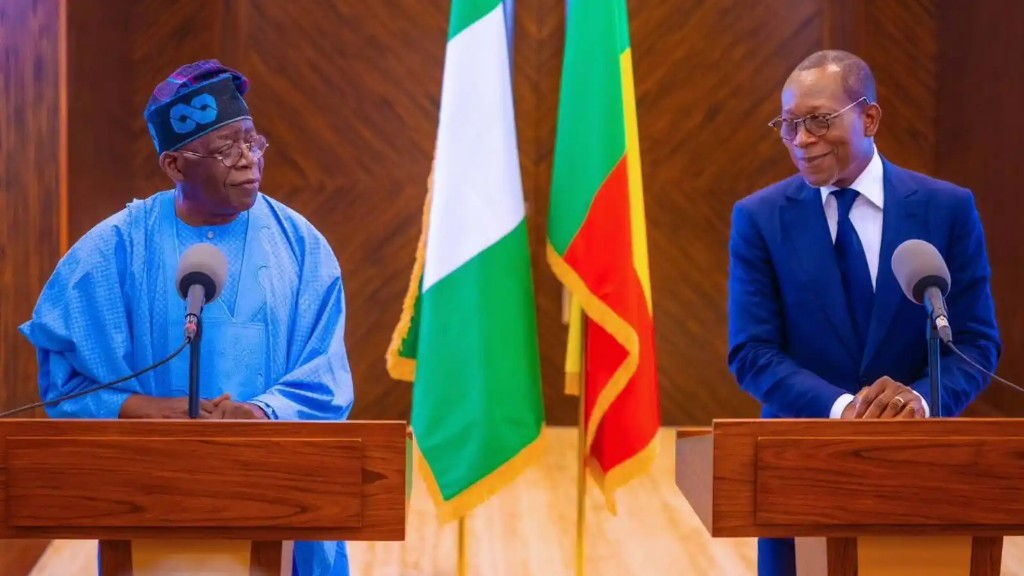
Benin opposition leader begs Tinubu for intervention says critics are being assassinated