

















CBN targets single-digit inflation
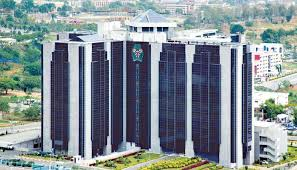
The Central Bank of Nigeria has set its sights on single-digit inflation, opening a new phase in the country’s monetary policy debate as it pushes toward a more structured inflation-targeting framework in a fragile but improving economic climate.
The phrase CBN targets single-digit inflation may sound like familiar official optimism, but the latest signals from the apex bank suggest this is being presented as more than a slogan. According to Punch, the CBN says it is pursuing a medium-term inflation goal of 6 to 9 per cent as part of a transition toward a full inflation-targeting regime, a shift designed to strengthen price stability and restore confidence in macroeconomic management.
That matters because Nigeria is coming off a long period of punishing inflation that eroded household purchasing power, disrupted planning for businesses, and deepened pressure on food security. Reuters reported that headline inflation eased slightly to 15.06 per cent in February 2026 from 15.10 per cent in January, marking the eleventh consecutive month of deceleration, though the decline has lately become marginal rather than dramatic.
So when the story says CBN targets single-digit inflation, the backdrop is important. Inflation is falling, but not yet falling fast. Reuters noted that the central bank has attributed the disinflation trend to earlier monetary tightening, exchange-rate stability, and better food supply conditions, even as food inflation itself rose to 12.12 per cent in February from 8.89 per cent in January under the revised inflation calculation method.
This is what makes the story more serious than a routine policy announcement. CBN targets single-digit inflation at a time when price pressures are still stubborn in critical parts of the economy, especially food. That means the target is ambitious, and ambition in monetary policy only has value when backed by credibility, discipline, and public trust in the institution making the promise.
Punch reports that the CBN used a university lecture platform to explain why its policy direction is changing. The bank’s argument is that inflation targeting offers a clearer framework for guiding expectations, anchoring market behavior, and making monetary policy more transparent. Participants at the event reportedly supported the transition, describing it as necessary for macroeconomic stability.
The cleaner way to read CBN targets single-digit inflation is this: the bank is trying to move from reactive firefighting to a more rules-based approach. In practical terms, inflation targeting means the central bank focuses more explicitly on keeping inflation within a stated band and uses interest rates and related tools to steer the economy toward that outcome. The Nation reports that the CBN’s medium-term range is 6 to 9 per cent, which gives the target a measurable structure rather than a vague aspiration.
Still, veteran reporting has to ask the harder question. Is the target realistic? The answer, for now, is mixed. Reuters reported that the CBN cut its policy rate by 50 basis points to 26.5 per cent in February 2026, a move that suggested confidence in easing inflation and improved foreign-exchange stability. But Reuters also noted that the recent declines in inflation have been small, which means progress could stall if food prices, supply shocks, or fiscal pressures intensify again.
That is why CBN targets single-digit inflation should not be written like a victory lap. It is better treated as a policy wager. The CBN is effectively betting that earlier tightening, exchange-rate reforms, and a more disciplined framework will gradually pull inflation down into a more normal band. If that works, the benefits would be substantial: lower borrowing uncertainty, stronger investor confidence, better planning conditions for businesses, and some relief for households battered by rising prices.
https://ogelenews.ng/cbn-targets-single-digit-inflation
But the risks are plain too. Food remains the most politically and socially sensitive component of inflation in Nigeria, and Reuters’ February data already showed food inflation rising even while the headline rate edged lower. That means many Nigerians may not yet feel the relief implied by the broader numbers. So while CBN targets single-digit inflation, the everyday test of that target will not be in policy speeches. It will be in market prices, transport costs, rent pressure, and whether ordinary incomes can breathe again.
There is also a communications challenge here. Central banks do not fight inflation only with rates. They also fight it with credibility. When the public believes a central bank is serious and coherent, inflation expectations can begin to moderate. But when institutions send mixed signals, expectations become harder to anchor. That is another reason CBN targets single-digit inflation is a consequential headline. It commits the bank, publicly, to a standard against which Nigerians can now judge performance.
For Ogele News readers, the deeper meaning of CBN targets single-digit inflation is not just technical. It is about whether Nigeria can rebuild some economic predictability after years of price instability. Stable inflation is not an abstract economist’s dream. It affects salaries, school fees, food shopping, small business survival, and the overall mood of the country. When inflation is too high for too long, planning collapses into survival.
That is why this story deserves a more grounded frame. The CBN is not announcing that inflation is already solved. It is saying it wants to bring inflation into a 6 to 9 per cent band over the medium term through a new policy framework. Inflation has eased, but only slightly. The policy rate has been cut modestly, but price pressures remain. The message, then, is one of cautious transition, not triumph.
In the end, CBN targets single-digit inflation is a good headline only when paired with honesty about the road ahead. The target is clear. The framework is taking shape. The inflation trend has improved. But Nigeria is not yet in single-digit territory, and the distance between 15.06 per cent and 6 to 9 per cent is still wide. The real story is that the CBN has now publicly defined the destination. The harder task is proving it can get the country there.
https://thenationonlineng.net/cbn-targets-single-digit-inflation/?utm_source