















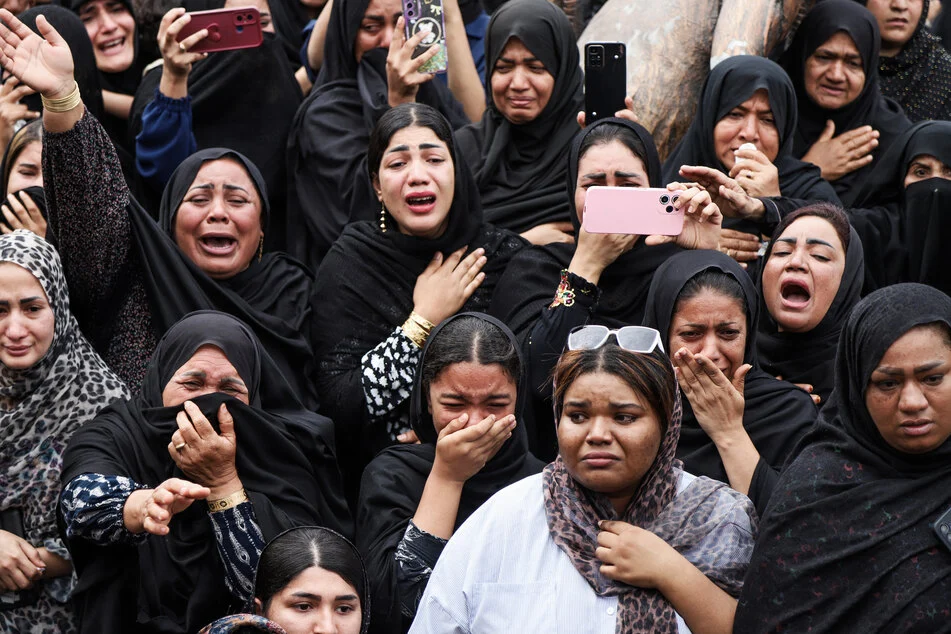
China donates $200,000 to families of students killed in Iran school strike
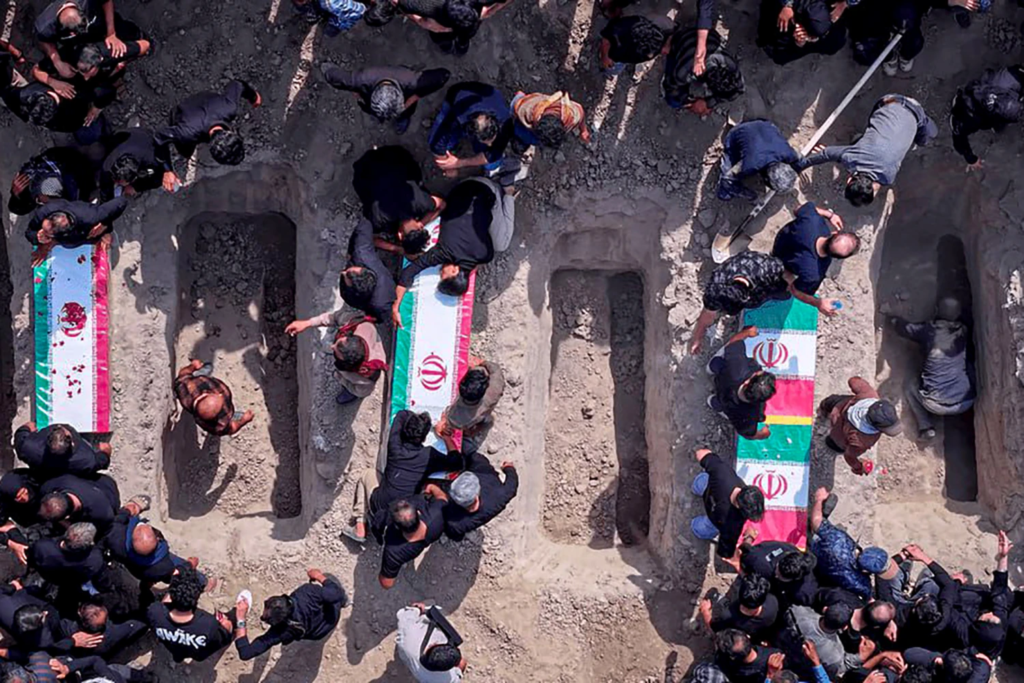
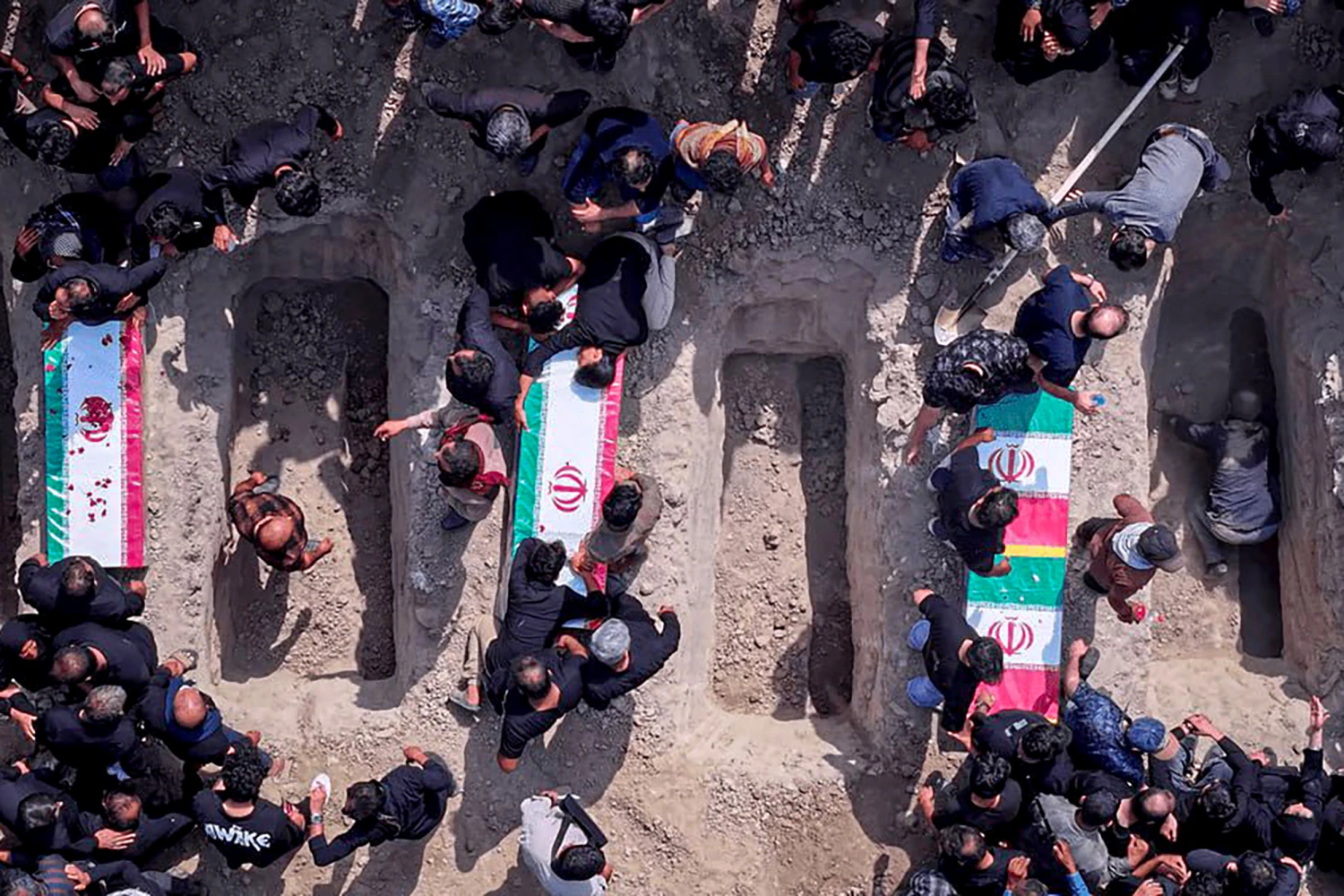
China donates $200,000 to families of students killed in Iran school strike in a gesture that is at once humanitarian, diplomatic and unmistakably political, as Beijing moves to publicly align itself with victims of one of the most emotionally charged attacks of the fast-expanding Middle East war. China’s foreign ministry said on Friday that it would provide $200,000 to the parents of students killed in what it described as an “indiscriminate” missile strike on a school in Iran. 
The announcement came as international attention focused on the reported strike on a school in southern Iran, an attack that has drawn condemnation and renewed calls for investigation. Tehran has accused the United States and Israel of carrying out the deadly missile attack on the first day of the war, while the U.N. human rights office has called for an investigation into the incident. 
That is the real weight behind the headline China donates $200,000 to families of students killed in Iran school strike. On its face, it is a humanitarian donation. In practice, it is also a statement of diplomatic positioning at a moment when global powers are being watched for how they respond to civilian deaths, especially the deaths of children in a war zone. 
What China actually announced
According to reports carried by Punch and other international outlets, China said it would donate $200,000 to the parents of students killed in the school strike. Chinese foreign ministry spokesperson Guo Jiakun was cited as saying the aid would help “comfort” the families of the victims. The language matters because it shows China presenting the payment less as a reconstruction package and more as a gesture of condolence and solidarity. 
That distinction is important for accurate reporting. China donates $200,000 to families of students killed in Iran school strike does not mean Beijing announced a broad humanitarian programme for all war victims in Iran. The confirmed announcement is narrower: support for the families of students killed in this specific attack. 
Why the school strike matters so much
Wars produce many deaths, but attacks on schools carry a special emotional and political force because they cut straight into the civilian core of a conflict. The Reuters sitemap entry for March 3 shows that the U.N. human rights office urged an investigation into the deadly strike on a girls’ school in Iran, which immediately elevated the incident beyond an ordinary wartime casualty report. 
This is why China donates $200,000 to families of students killed in Iran school strike has become a stronger story than the raw number alone suggests. The victims were students, the target was a school, and the optics of that kind of strike are devastating in any conflict. Even a relatively modest donation becomes symbolically powerful when it is tied to the deaths of children in an educational setting. 
The diplomatic message behind the money
Beijing’s announcement should also be read as diplomacy. China did not merely say it was sorry. It attached money to the statement and publicly framed the strike as “indiscriminate,” a term that carries moral accusation even when not used in a formal legal sense. 
In that sense, China donates $200,000 to families of students killed in Iran school strike is a story about narrative positioning. China is casting itself as a state that responds to civilian suffering, while also reinforcing criticism of attacks on non-military targets. This is especially significant in a wider conflict where major powers are being judged not only by military alignments but also by how they speak about civilian harm. 
A symbolic sum in a much larger war
There is no need to exaggerate the financial scale of the move. $200,000 is meaningful to bereaved families, but in the context of war damage, displacement and national reconstruction needs, it is clearly symbolic rather than transformative. 
That does not make it unimportant. Symbolic actions often matter most in diplomacy because they are legible. They tell the world who is being publicly mourned, who is being blamed, and who is being embraced. So while China donates $200,000 to families of students killed in Iran school strike may not change the humanitarian balance of the war, it does change the political and diplomatic language around the attack. 
The wider war context
The donation announcement comes against the backdrop of a rapidly escalating regional conflict. Live war coverage from major outlets reported continuing explosions in Tehran, ongoing rescue efforts, rising oil-market fears, and increasing international anxiety over how far the fighting could spread. 
That wider setting matters because China donates $200,000 to families of students killed in Iran school strike in the middle of a crisis that is no longer being treated as a contained confrontation. The war’s humanitarian toll, market disruption, and diplomatic fallout are all growing. In that environment, every official statement about civilian victims gains more weight than it would in a quieter moment. 
What the U.N. angle adds
The Reuters sitemap result is especially useful because it shows the strike had already drawn the attention of the U.N. human rights office, which called for an investigation. That matters because it moves the incident from political accusation into the territory of international scrutiny. 
So the best veteran-journalist reading is this: China donates $200,000 to families of students killed in Iran school strike after a school attack that had already become internationally sensitive enough to trigger U.N. concern. That means the donation is not floating in isolation. It is attached to an event already under moral and diplomatic examination. 
https://ogelenews.ng/china-donates-200000
Why this story will travel
This story will travel for three reasons. The first is the victims: students. The second is the donor: China, a major global power. The third is timing: the announcement came while the war was visibly intensifying. Those three elements give the headline cross-border traction. 
In newsroom terms, China donates $200,000 to families of students killed in Iran school strike works because it combines grief, geopolitics and state signalling in one line. It is simple enough for a breaking headline, but layered enough to support a serious foreign affairs analysis. 
The clean takeaway
For now, the verified facts are straightforward. China said it will donate $200,000 to the parents of students killed in the Iran school strike. The strike has drawn strong condemnation, Tehran has blamed the United States and Israel, and the U.N. human rights office has called for an investigation. 
That means the strongest and most accurate conclusion is this: China donates $200,000 to families of students killed in Iran school strike as a symbolic humanitarian gesture and a visible diplomatic statement, at a time when the politics of civilian suffering are becoming just as consequential as the battlefield itself. 
https://punchng.com/china-donates-200000-to-families-of-students-killed-in-iran-school-strike