
















Court adjourns El-Rufai’s arraignment to April 23
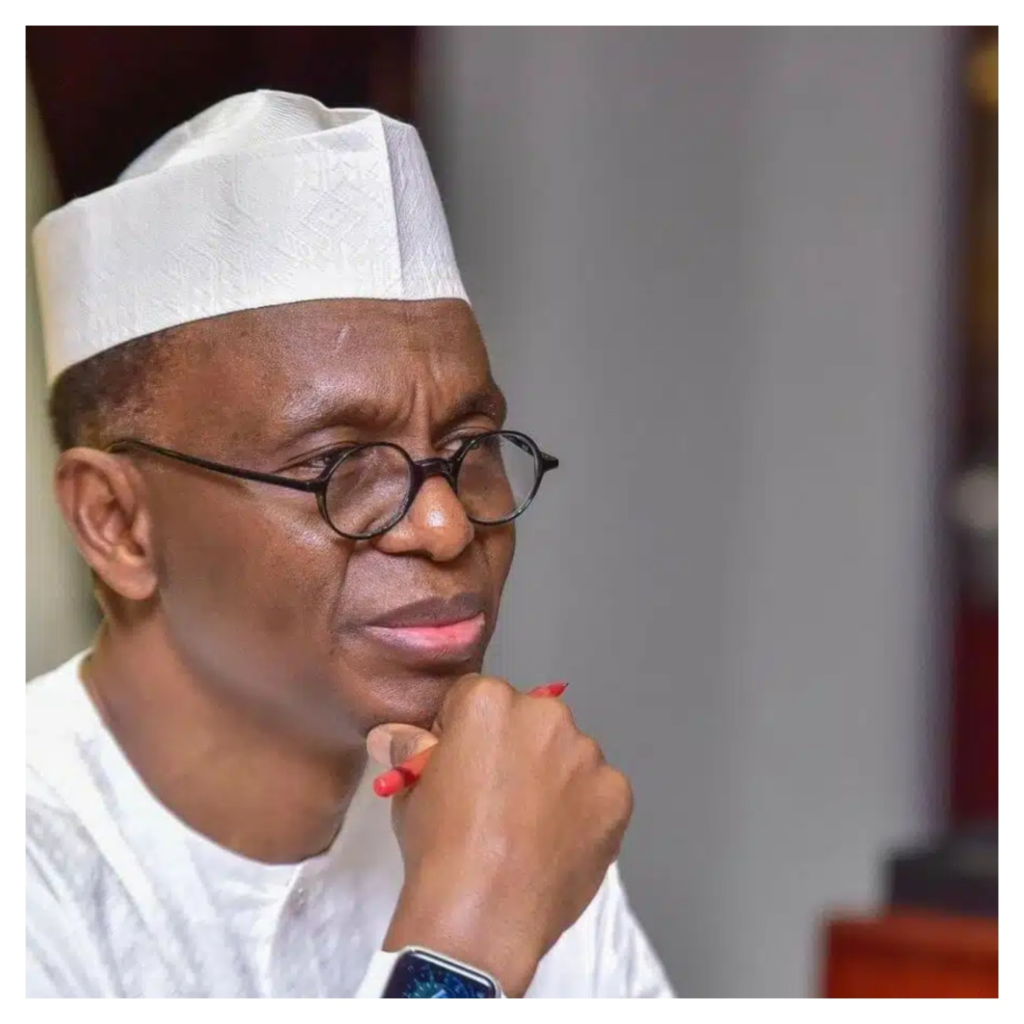
The El-Rufai arraignment scheduled for Wednesday at the Federal High Court, Abuja, was stalled after former Kaduna State Governor Nasir El-Rufai was not produced in court, prompting the trial judge, Justice Joyce Abdulmalik, to adjourn proceedings to April 23, 2026.
At the resumed sitting, counsel to the prosecution informed the court that the matter was fixed for El-Rufai arraignment, but the defendant could not be brought because he was in the custody of the Independent Corrupt Practices and Other Related Offences Commission (ICPC).
Channels Television reported that the prosecution asked for an adjournment, explaining that while the case was instituted by the Department of State Services (DSS), the defendant’s custody was outside DSS control because the ICPC was handling a separate investigation.
Why the court session could not proceed
Court sources said the central problem was straightforward: without the defendant physically before the court, the judge could not take a plea, and without a plea, the matter could not move to the next legal stage. That reality shaped every argument that followed, including the debate over bail during the stalled El-Rufai arraignment.
BusinessDay reported that the defence did not oppose the request for an adjournment, but pushed for bail to be considered despite the stalled El-Rufai arraignment, arguing that continued detention without arraignment raised fairness concerns.
Bail fight: why the judge called it “premature”
In open court, the defence argued that since the prosecution had indicated the alleged offences were bailable, the court should hear a bail application immediately. The prosecution objected, insisting bail could only be considered after the defendant takes his plea during El-Rufai arraignment.
Justice Abdulmalik sided with the prosecution, holding that because the defendant had not been arraigned, the court was not yet properly seized of the case to entertain bail. BusinessDay specifically reported the judge’s reasoning that bail could only be entertained after arraignment, and that the oral request at this stage was premature.
The outcome: the court fixed April 23, 2026 for El-Rufai arraignment, effectively freezing every other application until the defendant is produced for plea.
https://ogelenews.ng/court-adjourns-el-rufais-arraignment-to-april-23

What the DSS charge is about
The DSS is prosecuting El-Rufai under a three-count charge linked to alleged unlawful interception of communications, following claims attributed to him from a television appearance. Channels Television and BusinessDay reported that the case is marked FHC/ABJ/CR/99/2026 and relates to alleged interception of the phone communications of Nigeria’s National Security Adviser, Nuhu Ribadu.
BusinessDay further reported that the prosecution is relying on provisions of the Cybercrimes (Prohibition, Prevention, etc.) (Amendment) Act, 2024 and the Nigerian Communications Act, 2003, including references to Section 12(1) of the Cybercrimes Amendment Act and Section 131(2) of the Nigerian Communications Act.
This means the April date is not just a calendar shift. It is now the point at which El-Rufai arraignment must happen before the court can touch any substantive issues, including bail and whether the charge itself is competent.
El-Rufai’s counter-move: motion to quash and N2bn costs
Even before the stalled El-Rufai arraignment, El-Rufai, through his lawyers, filed a motion asking the court to quash the DSS charge, arguing that it is unconstitutional and an abuse of court process.
He is also seeking N2 billion in costs against the DSS, accusing the agency of abusing the criminal justice system to harass, embarrass and publicly victimise him.
That motion is now likely to sit in the queue behind arraignment, because the court has indicated it wants the proper first step taken before deeper battles begin. In practical terms, the legal fight is now split into two: first, whether the state can even bring him for El-Rufai arraignment; second, what happens once the case is properly before the court.